Dell PowerEdge 1950: Notes, Notices, and Cautions
Notes, Notices, and Cautions: Dell PowerEdge 1950
Оглавление
- Notes, Notices, and Cautions

Notes, Notices, and Cautions
NOTE: A NOTE indicates important information that helps you make better use of your computer.
NOTICE: A NOTICE indicates either potential damage to hardware or loss of data and tells you how to avoid the
problem.
CAUTION: A CAUTION indicates a potential for property damage, personal injury, or death.
____________________
Information in this document is subject to change without notice.
© 2009 Dell Inc. All rights reserved.
Reproduction in any manner whatsoever without the written permission of Dell Inc. is strictly forbidden.
Trademarks used in this text: Dell, the DELL logo, Inspiron, Dell Precision, Dimension, OptiPlex, Latitude, PowerEdge, PowerVault, PowerApp,
Dell OpenManage, and Dell XPS are trademarks of Dell Inc.; Intel, Pentium, Xeon, and Celeron are registered trademarks of Intel Corporation;
Microsoft and Windows are registered trademarks of Microsoft Corporation.
Other trademarks and trade names may be used in this document to refer to either the entities claiming the marks and names or their products.
Dell Inc. disclaims any proprietary interest in trademarks and trade names other than its own.
Model EMU01
September 2009 P/N HH176 Rev. A02

Contents
1 About Your System
Other Information You May Need. . . . . . . . . . . . . . . . . . . . . . . 9
Accessing System Features During Startup
. . . . . . . . . . . . . . . . . . 10
Front-Panel Features and Indicators
. . . . . . . . . . . . . . . . . . . . . . 11
Hard-Drive Indicator Codes
. . . . . . . . . . . . . . . . . . . . . . . 12
Back-Panel Features and Indicators
. . . . . . . . . . . . . . . . . . . . . . 14
Connecting External Devices
. . . . . . . . . . . . . . . . . . . . . . 15
Power Indicator Codes
. . . . . . . . . . . . . . . . . . . . . . . . . . . . 15
NIC Indicator Codes
. . . . . . . . . . . . . . . . . . . . . . . . . . . . . 16
LCD Status Messages
. . . . . . . . . . . . . . . . . . . . . . . . . . . . . 17
Solving Problems Described by LCD Status Messages. . . . . . . . . . 24
Removing LCD Status Messages . . . . . . . . . . . . . . . . . . . . 24
System Messages
. . . . . . . . . . . . . . . . . . . . . . . . . . . . . . . 25
Warning Messages
. . . . . . . . . . . . . . . . . . . . . . . . . . . . . . 30
Diagnostics Messages
. . . . . . . . . . . . . . . . . . . . . . . . . . . . . 30
Alert Messages
. . . . . . . . . . . . . . . . . . . . . . . . . . . . . . . . 30
2 Using the System Setup Program
Entering the System Setup Program. . . . . . . . . . . . . . . . . . . . . . 31
Responding to Error Messages
. . . . . . . . . . . . . . . . . . . . . . 31
Using the System Setup Program
. . . . . . . . . . . . . . . . . . . . 31
System Setup Options
. . . . . . . . . . . . . . . . . . . . . . . . . . . . . 32
Main Screen . . . . . . . . . . . . . . . . . . . . . . . . . . . . . . . . . . . . . . . . . . . . . . . . 32
CPU Information Screen. . . . . . . . . . . . . . . . . . . . . . . . . 35
Integrated Devices Screen
. . . . . . . . . . . . . . . . . . . . . . . . 36
System Security Screen
. . . . . . . . . . . . . . . . . . . . . . . . . 37
Exit Screen. . . . . . . . . . . . . . . . . . . . . . . . . . . . . . . . 38
Contents 3

System and Setup Password Features . . . . . . . . . . . . . . . . . . . . . 38
Using the System Password
. . . . . . . . . . . . . . . . . . . . . . . 38
Using the Setup Password
. . . . . . . . . . . . . . . . . . . . . . . . 40
Disabling a Forgotten Password
. . . . . . . . . . . . . . . . . . . . . . . . 41
Baseboard Management Controller Configuration
. . . . . . . . . . . . . . 41
Entering the BMC Setup Module . . . . . . . . . . . . . . . . . . . . 42
BMC Setup Module Options. . . . . . . . . . . . . . . . . . . . . . . 42
3 Installing System Components
Recommended Tools . . . . . . . . . . . . . . . . . . . . . . . . . . . . . 44
Inside the System
. . . . . . . . . . . . . . . . . . . . . . . . . . . . . . . 44
Removing and Replacing the Front Bezel
. . . . . . . . . . . . . . . . . . . 45
Opening and Closing the System
. . . . . . . . . . . . . . . . . . . . . . . 46
Opening the System
. . . . . . . . . . . . . . . . . . . . . . . . . . . 46
Closing the System
. . . . . . . . . . . . . . . . . . . . . . . . . . . 47
Cooling Fan Modules
. . . . . . . . . . . . . . . . . . . . . . . . . . . . . 48
Removing a Cooling Fan Module
. . . . . . . . . . . . . . . . . . . . 48
Replacing a Cooling Fan Module
. . . . . . . . . . . . . . . . . . . . 49
Removing the Plastic Fan Guide . . . . . . . . . . . . . . . . . . . . . 50
Replacing the Plastic Fan Guide
. . . . . . . . . . . . . . . . . . . . . 50
Cooling Shrouds
. . . . . . . . . . . . . . . . . . . . . . . . . . . . . . . 50
System Board Cooling Shroud
. . . . . . . . . . . . . . . . . . . . . . 50
Memory Cooling Shroud
. . . . . . . . . . . . . . . . . . . . . . . . . 52
Power Supplies
. . . . . . . . . . . . . . . . . . . . . . . . . . . . . . . . 53
Removing a Power Supply
. . . . . . . . . . . . . . . . . . . . . . . . 54
Replacing a Power Supply
. . . . . . . . . . . . . . . . . . . . . . . . 55
Removing the Power Supply Blank
. . . . . . . . . . . . . . . . . . . 56
Installing the Power Supply Blank
. . . . . . . . . . . . . . . . . . . . 56
SAS Controller Daughter Card
. . . . . . . . . . . . . . . . . . . . . . . . 56
Removing a SAS Controller Daughter Card . . . . . . . . . . . . . . . 56
Installing a SAS Controller Daughter Card or SAS RAID
Controller Daughter Card
. . . . . . . . . . . . . . . . . . . . . . . . 56
RAID Battery
. . . . . . . . . . . . . . . . . . . . . . . . . . . . . . 60
4 Contents

Expansion Cards . . . . . . . . . . . . . . . . . . . . . . . . . . . . . . . 61
Installing an Expansion Card
. . . . . . . . . . . . . . . . . . . . . . . 61
Removing an Expansion Card
. . . . . . . . . . . . . . . . . . . . . . 62
Configuring the Boot Device
. . . . . . . . . . . . . . . . . . . . . . . . . 63
Configuring the Boot Drive
. . . . . . . . . . . . . . . . . . . . . . . . . . 63
System Memory
. . . . . . . . . . . . . . . . . . . . . . . . . . . . . . . . 63
General Memory Module Installation Guidelines
. . . . . . . . . . . . 64
Non-Optimal Memory Configurations
. . . . . . . . . . . . . . . . . . 64
Memory Sparing Support
. . . . . . . . . . . . . . . . . . . . . . . . 64
Memory Mirroring Support . . . . . . . . . . . . . . . . . . . . . . . 65
Installing Memory Modules
. . . . . . . . . . . . . . . . . . . . . . . 65
Removing Memory Modules
. . . . . . . . . . . . . . . . . . . . . . . 67
Activating the Integrated NIC TOE
. . . . . . . . . . . . . . . . . . . . . . 67
Processors
. . . . . . . . . . . . . . . . . . . . . . . . . . . . . . . . . . . 67
Removing the Processor
. . . . . . . . . . . . . . . . . . . . . . . . . 67
Installing a Processor
. . . . . . . . . . . . . . . . . . . . . . . . . . 70
RAC Card
. . . . . . . . . . . . . . . . . . . . . . . . . . . . . . . . . . . 71
Installing a RAC Card
. . . . . . . . . . . . . . . . . . . . . . . . . . 71
Removing the RAC Card and Cables
. . . . . . . . . . . . . . . . . . 72
Optical Drive
. . . . . . . . . . . . . . . . . . . . . . . . . . . . . . . . . 73
Removing the Optical Drive Tray . . . . . . . . . . . . . . . . . . . . 73
Installing the Optical Drive Tray. . . . . . . . . . . . . . . . . . . . . 74
Hard Drives
. . . . . . . . . . . . . . . . . . . . . . . . . . . . . . . . . . 75
Before You Begin
. . . . . . . . . . . . . . . . . . . . . . . . . . . . 75
Removing a Drive Blank
. . . . . . . . . . . . . . . . . . . . . . . . . 75
Installing a Drive Blank
. . . . . . . . . . . . . . . . . . . . . . . . . 76
Installing a Hot-Plug Hard Drive
. . . . . . . . . . . . . . . . . . . . . 76
Replacing a Hard-Drive Carrier
. . . . . . . . . . . . . . . . . . . . . . . . 78
Removing a Hard Drive From a Hard-Drive Carrier
. . . . . . . . . . . 78
Installing a SAS Hard Drive Into a SATAu Drive Carrier
. . . . . . . . 78
Installing a SATA Hard Drive Into a SATA Drive Carrier
. . . . . . . . 79
Installing a SATA Hard Drive and Interposer Card Into a
SATAu Hard-Drive Carrier
. . . . . . . . . . . . . . . . . . . . . . . . 80
Contents 5

Expansion-Card Riser. . . . . . . . . . . . . . . . . . . . . . . . . . . . . 82
Removing an Expansion-Card Riser
. . . . . . . . . . . . . . . . . . . 82
Installing an Expansion-Card Riser
. . . . . . . . . . . . . . . . . . . 83
Backplane Board
. . . . . . . . . . . . . . . . . . . . . . . . . . . . . . . 83
Removing the Backplane Board
. . . . . . . . . . . . . . . . . . . . . 83
Installing the Backplane Board
. . . . . . . . . . . . . . . . . . . . . . 85
Sideplane Board
. . . . . . . . . . . . . . . . . . . . . . . . . . . . . . . . 85
Removing the Sideplane Board . . . . . . . . . . . . . . . . . . . . . 85
Installing the Sideplane Board . . . . . . . . . . . . . . . . . . . . . . 86
System Battery
. . . . . . . . . . . . . . . . . . . . . . . . . . . . . . . . 86
Replacing the System Battery
. . . . . . . . . . . . . . . . . . . . . . 86
Control Panel Assembly
. . . . . . . . . . . . . . . . . . . . . . . . . . . 88
Removing the Control Panel
. . . . . . . . . . . . . . . . . . . . . . . 88
Installing the Control Panel
. . . . . . . . . . . . . . . . . . . . . . . 89
System Board
. . . . . . . . . . . . . . . . . . . . . . . . . . . . . . . . . 90
Removing the System Board
. . . . . . . . . . . . . . . . . . . . . . . 90
Installing the System Board
. . . . . . . . . . . . . . . . . . . . . . . 91
4 Troubleshooting Your System
Safety First—For You and Your System. . . . . . . . . . . . . . . . . . . . 93
Start-Up Routine
. . . . . . . . . . . . . . . . . . . . . . . . . . . . . . . 93
Checking the Equipment
. . . . . . . . . . . . . . . . . . . . . . . . . . . 94
Troubleshooting IRQ Assignment Conflicts
. . . . . . . . . . . . . . . 94
Troubleshooting External Connections
. . . . . . . . . . . . . . . . . . 94
Troubleshooting the Video Subsystem
. . . . . . . . . . . . . . . . . . 95
Troubleshooting the Keyboard
. . . . . . . . . . . . . . . . . . . . . . 95
Troubleshooting the Mouse
. . . . . . . . . . . . . . . . . . . . . . . 96
Troubleshooting Basic I/O Functions
. . . . . . . . . . . . . . . . . . . . . 96
Troubleshooting a Serial I/O Device . . . . . . . . . . . . . . . . . . . 97
Troubleshooting a USB Device . . . . . . . . . . . . . . . . . . . . . 97
Troubleshooting a NIC
. . . . . . . . . . . . . . . . . . . . . . . . . . . . 98
Troubleshooting a Wet System
. . . . . . . . . . . . . . . . . . . . . . . . 98
Troubleshooting a Damaged System
. . . . . . . . . . . . . . . . . . . . . 99
6 Contents

Troubleshooting the System Battery. . . . . . . . . . . . . . . . . . . . . 100
Troubleshooting Power Supplies
. . . . . . . . . . . . . . . . . . . . . . 100
Troubleshooting System Cooling Problems
. . . . . . . . . . . . . . . . . 101
Troubleshooting a Fan . . . . . . . . . . . . . . . . . . . . . . . . . 101
Troubleshooting System Memory
. . . . . . . . . . . . . . . . . . . . . . 102
Troubleshooting an Optical Drive
. . . . . . . . . . . . . . . . . . . . . . 103
Troubleshooting a Hard Drive
. . . . . . . . . . . . . . . . . . . . . . . . 104
Troubleshooting a SAS or SAS RAID Controller Daughter Card
. . . . . . 105
Troubleshooting Expansion Cards
. . . . . . . . . . . . . . . . . . . . . . 107
Troubleshooting the Microprocessors
. . . . . . . . . . . . . . . . . . . . 108
5 Running the System Diagnostics
Using Server Administrator Diagnostics . . . . . . . . . . . . . . . . . . 111
System Diagnostics Features
. . . . . . . . . . . . . . . . . . . . . . . . 111
When to Use the System Diagnostics
. . . . . . . . . . . . . . . . . . . . 111
Running the System Diagnostics
. . . . . . . . . . . . . . . . . . . . . . 112
System Diagnostics Testing Options
. . . . . . . . . . . . . . . . . . . . 112
Using the Custom Test Options
. . . . . . . . . . . . . . . . . . . . . . . 112
Selecting Devices for Testing
. . . . . . . . . . . . . . . . . . . . . 112
Selecting Diagnostics Options
. . . . . . . . . . . . . . . . . . . . . 113
Viewing Information and Results
. . . . . . . . . . . . . . . . . . . 113
6 Jumpers and Connectors
System Board Jumpers . . . . . . . . . . . . . . . . . . . . . . . . . . . 115
Disabling a Forgotten Password
. . . . . . . . . . . . . . . . . . . . . . . 117
System Board Connectors
. . . . . . . . . . . . . . . . . . . . . . . . . . 118
SAS/SATA Backplane Board Connectors
. . . . . . . . . . . . . . . . . . 120
Expansion-Card Riser-Board Components and PCI Buses
. . . . . . . . . 122
SAS Sideplane Board Connectors
. . . . . . . . . . . . . . . . . . . . . . 123
Contents 7

7 Getting Help
Technical Assistance . . . . . . . . . . . . . . . . . . . . . . . . . . . . 125
Online Services
. . . . . . . . . . . . . . . . . . . . . . . . . . . . 125
AutoTech Service
. . . . . . . . . . . . . . . . . . . . . . . . . . . 126
Automated Order-Status Service . . . . . . . . . . . . . . . . . . . . 126
Technical Support Service
. . . . . . . . . . . . . . . . . . . . . . . 126
Dell Enterprise Training and Certification
. . . . . . . . . . . . . . . . . . 127
Problems With Your Order
. . . . . . . . . . . . . . . . . . . . . . . . . 127
Product Information
. . . . . . . . . . . . . . . . . . . . . . . . . . . . . 127
Returning Items for Warranty Repair or Credit
. . . . . . . . . . . . . . . 127
Before You Call
. . . . . . . . . . . . . . . . . . . . . . . . . . . . . . . 128
Contacting Dell
. . . . . . . . . . . . . . . . . . . . . . . . . . . . . . . 130
Glossary . . . . . . . . . . . . . . . . . . . . . . . . . . . . . . . . . . . 147
Index . . . . . . . . . . . . . . . . . . . . . . . . . . . . . . . . . . . . . 155
8 Contents

1
About Your System
This section describes the physical, firmware, and software interface features that provide and ensure
the essential functioning of your system. The physical connectors on your system’s front and back
panels provide convenient connectivity and system expansion capability. The system firmware,
applications, and operating systems monitor the system and component status and alert you when a
problem arises. System conditions can be reported by any of the following:
• Front or back panel indicators
• LCD status messages
• System messages
• Warning messages
• Diagnostics messages
• Alert messages
This section describes each type of message, lists the possible causes, and provides steps to resolve any
problems indicated by a message. The system indicators and features are illustrated in this section.
Other Information You May Need
CAUTION: The Product Information Guide provides important safety and regulatory information.
Warranty information may be included within this document or as a separate document.
•The
Rack Installation Guide
or
Rack Installation Instructions
included with your rack solution
describes how to install your system into a rack.
•The
Getting Started Guide
provides an overview of system features, setting up your system, and
technical specifications.
• CDs included with your system provide documentation and tools for configuring and managing your
system.
• Systems management software documentation describes the features, requirements, installation, and
basic operation of the software.
• Operating system documentation describes how to install (if necessary), configure, and use the
operating system software.
• Documentation for any components you purchased separately provides information to configure and
install these options.
• Updates are sometimes included with the system to describe changes to the system, software, and/or
documentation.
About Your System 9

NOTE: Always check for updates on support.dell.com and read the updates first because they often
supersede information in other documents.
• Release notes or readme files may be included to provide last-minute updates to the system or
documentation or advanced technical reference material intended for experienced users or technicians.
Accessing System Features During Startup
Table 1-1 describes keystrokes that may be entered during startup to access system features. If your
operating system begins to load before you enter the keystroke, allow the system to finish booting, and then
restart your system and try again.
Table 1-1. Keystrokes for Accessing System Features
Keystroke Description
<F2> Enters the System Setup program. See "Using the System Setup Program" on page 31.
<F10> Enters the System Diagnostics program. See "Running the System Diagnostics" on page 112.
<Ctrl+E> Enters the Baseboard Management Controller (BMC) Management Utility, which allows access to the
system event log (SEL). See the BMC User’s Guide for more information on setup and use of BMC.
<Ctrl+C> Enters the SAS Configuration Utility. See your SAS adapter User’s Guide for more information.
<Ctrl+R> Enters the RAID configuration utility, which allows you to configure an optional RAID card. For more
information, see the documentation for your RAID card.
<Ctrl+S> Option is displayed only if you have PXE support enabled through the System Setup Program (see
"Integrated Devices Screen" on page 36). This keystroke allows you to configure NIC settings for PXE
boot. For more information, see the documentation for your integrated NIC.
<Ctrl+D> If you have the optional Dell Remote Access Controller (DRAC) installed, this keystroke allows
access to selected DRAC configuration settings. See the DRAC User’s Guide for more information on
setup and use of DRAC.
10 About Your System
Front-Panel Features and Indicators
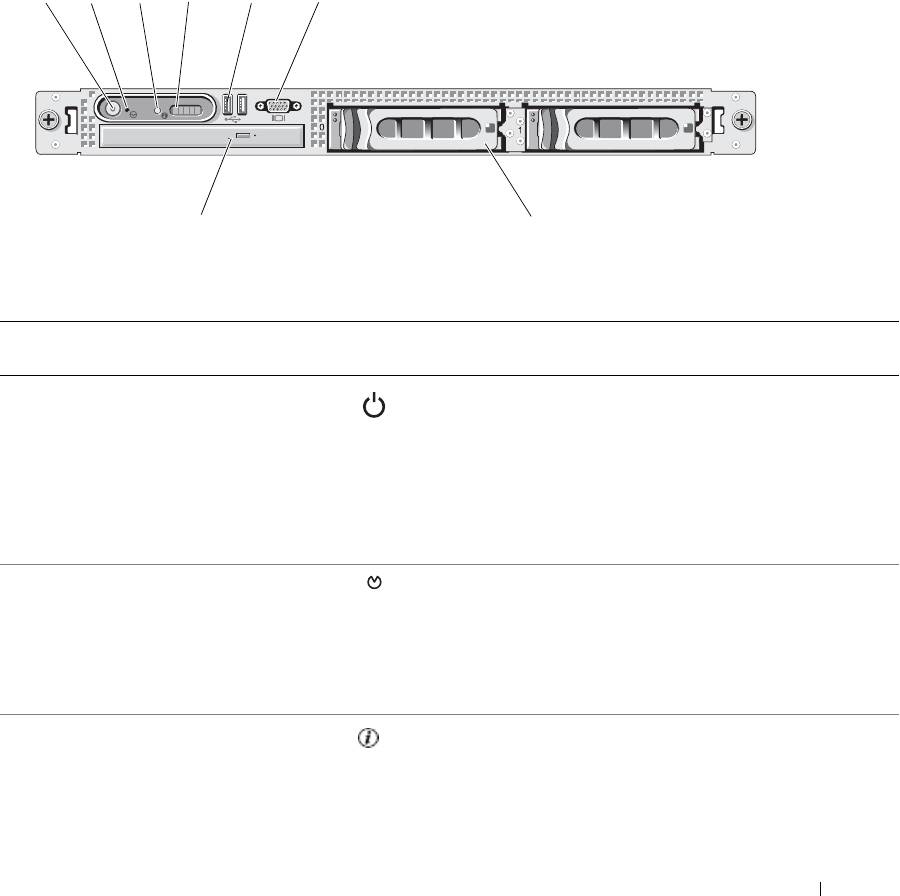
Figure 1-1 shows the controls, indicators, and connectors located behind the optional rack bezel on the
system's front panel.
Figure 1-1. Front-Panel Features and Indicators
21
6543
8
7
Table 1-2. Front-Panel LED Indicators, Buttons, and Connectors
Ite
Indicator, Button, or Connector Icon Description
m
1 Power-on indicator, power button The power button controls the DC power supply output to
the system.
NOTE: If you turn off the system using the power button
and the system is running an ACPI-compliant operating
system, the system performs a graceful shutdown before
the power is turned off. If the system is not running an
ACPI-compliant operating system, the power is turned off
immediately after the power button is pressed.
2 NMI button Used to troubleshoot software and device driver errors
when using certain operating systems. This button can be
pressed using the end of a paper clip.
Use this button only if directed to do so by qualified
support personnel or by the operating system's
documentation.
3 System identification button The identification buttons on the front and back panels can
be used to locate a particular system within a rack. When
one of these buttons is pushed, the blue system status
indicator on the front and back blinks until one of the
buttons is pushed again.
About Your System 11
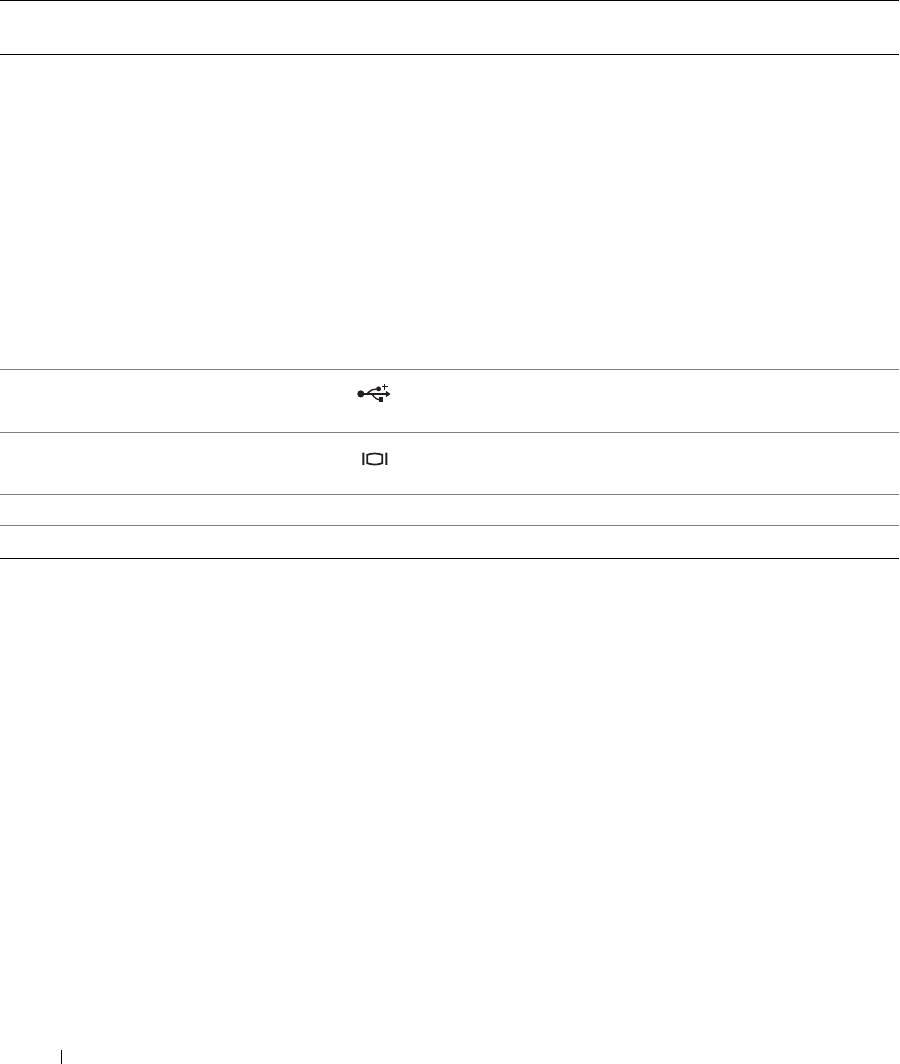
Table 1-2. Front-Panel LED Indicators, Buttons, and Connectors (continued)
Ite
Indicator, Button, or Connector Icon Description
m
4 LCD display Provides system ID, status information, and system error
messages.
The LCD display lights during normal system operation.
Both the systems management software and the
identification buttons located on the front and back of the
system can cause the LCD to flash blue to identify a
particular system.
The LCD display lights amber when the system needs
attention due to a problem with power supplies, fans,
system temperature, or hard drives.
NOTE: If the system is connected to AC power and an
error has been detected, the LCD display lights amber
regardless of whether the system has been powered on.
5 USB connectors (2) Connects USB 2.0-compliant devices to the system.
6 Video connector Connects a monitor to the system.
7 Hard drives (optional) Four 2.5" drives or two 3.5" drives (shown in figure).
8 Optical drive (optional) One optional slimline optical drive
NOTE: DVD devices are data only.
Hard-Drive Indicator Codes
If your hard drives are configured with the optional SAS RAID daughter card, two indicators on each of the
hard-drive carriers provide information on the status of the hard drives. See Figure 1-2 and Table 1-3. The
SAS backplane firmware controls the drive power-on/fault indicator.
12 About Your System
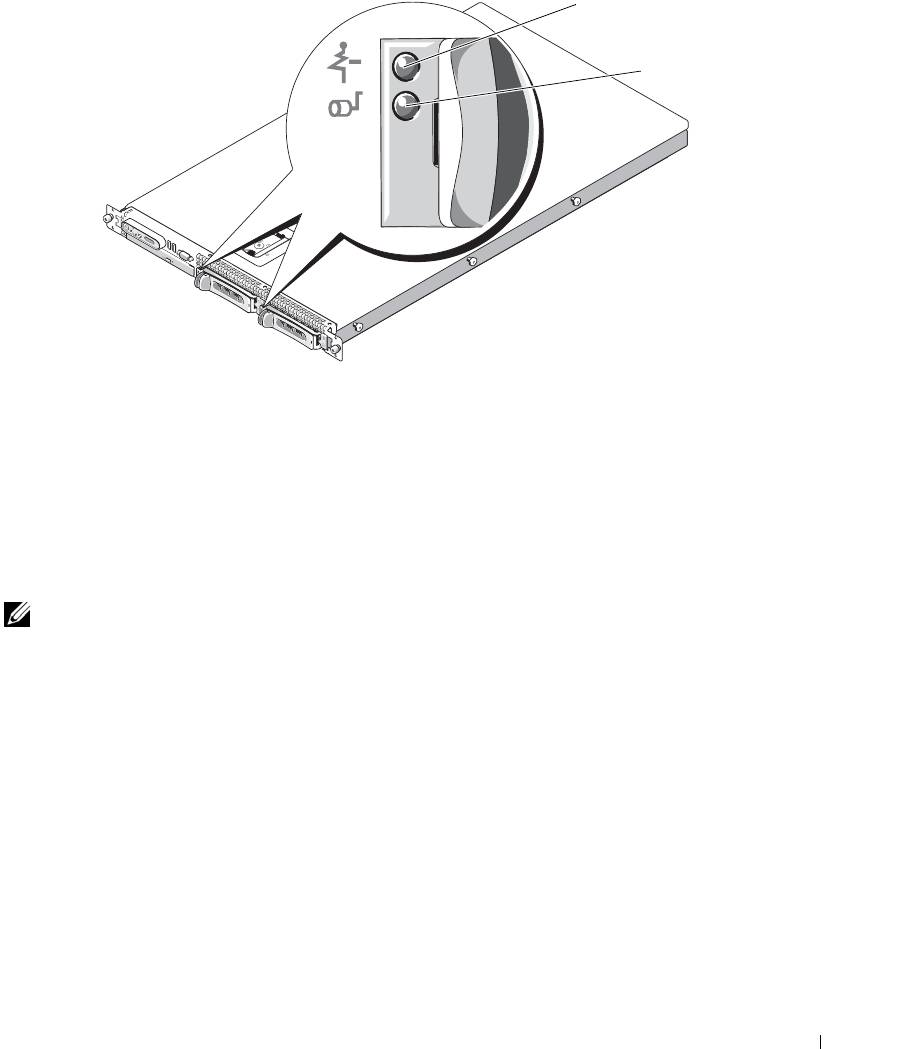
Figure 1-2. Hard-Drive Indicators
1
2
1 drive-status indicator (green
2 green drive-activity indicator
and amber)
Table 1-3 lists the drive indicator patterns. Different patterns are displayed as drive events occur in the
system. For example, if a hard-drive fails, the "drive failed" pattern appears. After the drive is selected for
removal, the "drive being prepared for removal" pattern appears, followed by the "drive ready for insertion
or removal" pattern. After the replacement drive is installed, the "drive being prepared for operation" pattern
appears, followed by the "drive online" pattern.
NOTE: For non-RAID configurations, only the drive-activity indicator is active. The drive-status indicator is off.
About Your System 13
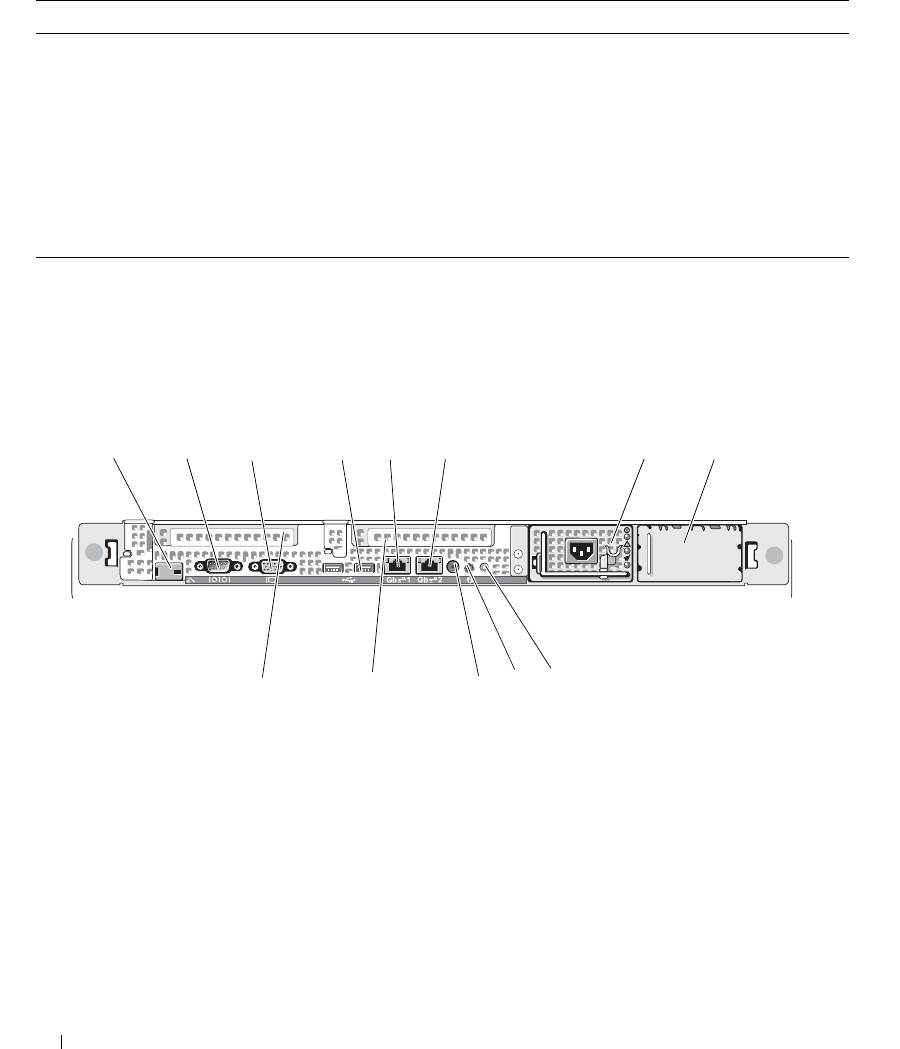
Table 1-3. Hard-Drive Indicator Patterns for RAID
Condition Drive-Status Indicator Pattern
Identify drive/preparing for removal Blinks green two times per second.
Drive ready for insertion or removal Off
Drive predicted failure Blinks green, amber, and off.
Drive failed Blinks amber four times per second.
Drive rebuilding Blinks green slowly.
Drive online Steady green.
Rebuild aborted Blinks green three seconds, amber three seconds, and off six seconds.
Back-Panel Features and Indicators
Figure 1-3 shows the controls, indicators, and connectors located on the system's back panel.
Figure 1-3. Back-Panel Features and Indicators
1 3
2
4
5
6
7
8
12
10
9
13
11
1 remote access controller
2 serial connector 3 video connector
(optional)
4 USB connectors (2) 5 NIC1 connector 6 NIC2 connector
7 power supply 1 8 power supply 2 (optional) 9 system status indicator
1
system identification button 11 system status indicator
12 left PCI expansion slot (slot 2)
0
connector
1
center PCI expansion slot
3
(slot 1)
14 About Your System
Connecting External Devices
When connecting external devices to your system, follow these guidelines:
• Most devices must be connected to a specific connector and device drivers must be installed before the
device operates properly. (Device drivers are normally included with your operating system software or
with the device itself.) See the documentation that accompanied the device for specific installation and
configuration instructions.
• Always attach external devices while your system is turned off. Next, turn on any external devices before
turning on the system (unless the documentation for the device specifies otherwise).
For information about individual connectors, see "Jumpers and Connectors" on page 115. For information about
enabling, disabling, and configuring I/O ports and connectors, see "Using the System Setup Program" on
page 31.
Power Indicator Codes
The power button on the front panel controls the power input to the system's power supplies. The power
indicator can provide information on power status (see
Figure 1-1
). Table 1-4 lists the power button indicator
codes.
Table 1-4. Power Button Indicators
Indicator Function
On Indicates that power is supplied to the system and the system is operational.
Off Indicates that no power is supplied to the system.
The indicators on the power supplies show whether power is present or whether a power fault has occurred
(see Figure 1-4).
Table 1-5. Power Supply Indicators
Indicator Function
Power supply status Green indicates that the power supply is operational.
Power supply fault Amber indicates a problem with the power supply.
AC line status Green indicates that a valid AC source is connected to the power supply.
About Your System 15
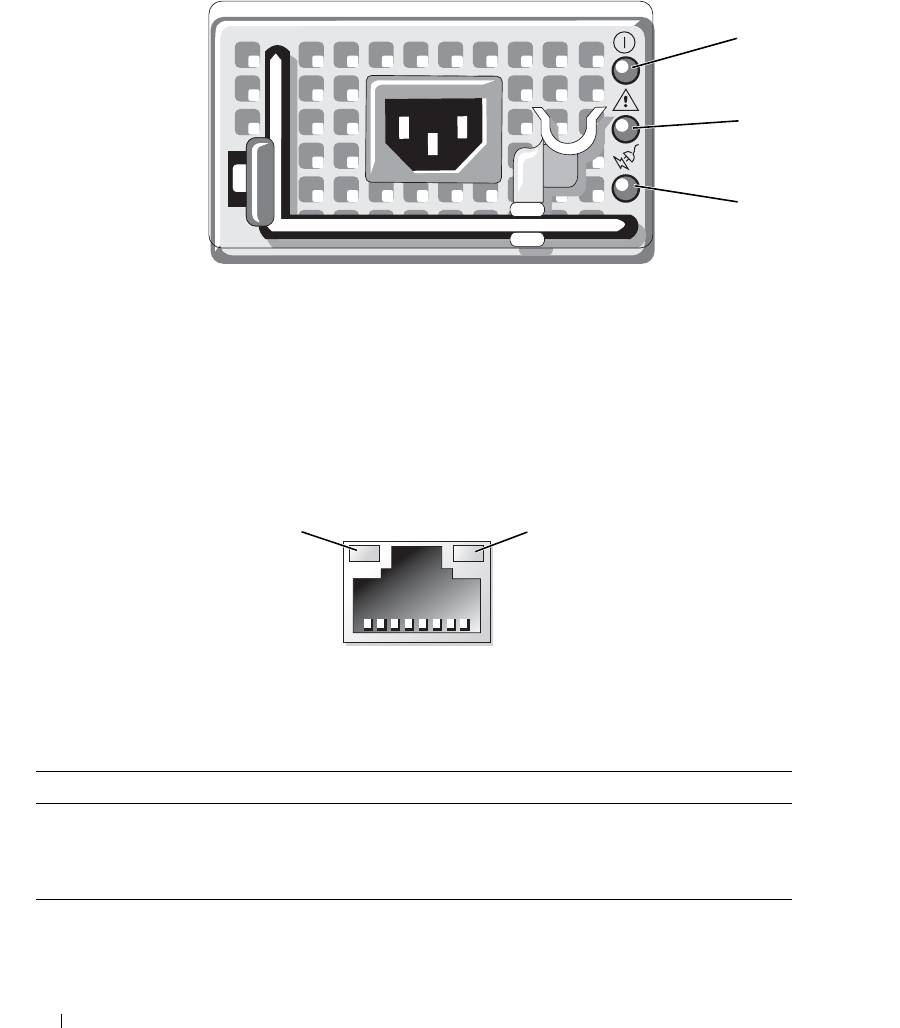
Figure 1-4. Power Supply Indicators
1
2
3
1 power supply status indicator 2 power supply fault indicator 3 AC line status indicator
NIC Indicator Codes
Each NIC on the back panel has an indicator that provides information on network activity and link status.
See Figure 1-5. Table 1-6 lists the NIC indicator codes.
Figure 1-5. NIC Indicators
1
2
1 link indicator 2 activity indicator
Table 1-6. NIC Indicator Codes
Indicator Indicator Code
Link and activity indicators are off The NIC is not connected to the network.
Link indicator is green The NIC is connected to a valid link partner on the network.
Activity indicator is amber blinking Network data is being sent or received.
16 About Your System
LCD Status Messages
The system's control panel LCD provides status messages to signify when the system is operating correctly
or when the system needs attention.
The LCD lights blue to indicate a normal operating condition, and lights amber to indicate an error
condition. The LCD scrolls a message that includes a status code followed by descriptive text. Table 1-7 lists
the LCD status messages that can occur and the probable cause for each message. The LCD messages refer
to events recorded in the System Event Log (SEL). For information on the SEL and configuring system
management settings, see the systems management software documentation.
CAUTION: Many repairs may only be done by a certified service technician. You should only perform
troubleshooting and simple repairs as authorized in your product documentation, or as directed by the online or
telephone service and support team. Damage due to servicing that is not authorized by Dell is not covered by your
warranty. Read and follow the safety instructions that came with the product.
NOTE: If your system fails to boot, press the System ID button for at least five seconds until an error code
appears on the LCD. Record the code, then see "Getting Help" on page 125.
Table 1-7. LCD Status Messages
Code Text Causes Corrective Actions
N/A SYSTEM NAME A 62-character string that can be
This message is for information
defined by the user in the System
only.
Setup program.
You can change the system string
The SYSTEM NAME displays
in the System Setup program. See
under the following conditions:
"Using the System Setup Program"
• The system is powered on.
on page 31.
• The power is off and active
POST errors are displayed.
E1000 FAILSAFE, Call
See "Getting Help" on page 125.
Support
E1114 Temp Ambient Ambient system temperature is out
See "Troubleshooting System
of acceptable range.
Cooling Problems" on page 101.
E1116 Temp Memory Memory has exceeded acceptable
See "Troubleshooting System
temperature and has been disabled
Cooling Problems" on page 101.
to prevent damage to the
components.
E12nn xx PwrGd Specified voltage regulator has
See "Getting Help" on page 125.
failed.
E1210 CMOS Batt CMOS battery is missing, or the
See "Troubleshooting the System
voltage is out of acceptable range.
Battery" on page 100.
About Your System 17
Table 1-7. LCD Status Messages (continued)
Code Text Causes Corrective Actions
E1211 ROMB Batt RAID battery is either missing,
Reseat the RAID battery
bad, or unable to recharge due to
connector. See "RAID Battery" on
thermal issues.
page 60, and "Troubleshooting
System Cooling Problems" on
page 101.
E1229 CPU # VCORE Processor # VCORE voltage
See "Getting Help" on page 125.
regulator has failed.
E1310 RPM Fan ## RPM of specified cooling fan is
See "Troubleshooting System
out of acceptable operating range.
Cooling Problems" on page 101.
E1311 RPM Fan Mod #x RPM of fan x in the # module is
See "Troubleshooting System
out of acceptable operating range.
Cooling Problems" on page 101.
E1313 Fan Redundancy The system is no longer fan-
Check control panel LCD for
redundant. Another fan failure will
additional scrolling messages. See
put the system at risk of over-
"Troubleshooting System Cooling
heating.
Problems" on page 101.
E1410 CPU # IERR Specified microprocessor is
See your system’s "Information
reporting an internal error.
Update Tech Sheet" located on
support.dell.com for the most
current system information. If the
problem persists, see "Getting
Help" on page 125.
E1414 CPU # Thermtrip Specified microprocessor is out of
See "Troubleshooting System
acceptable temperature range and
Cooling Problems" on page 101. If
has halted operation.
the problem persists, ensure that
the microprocessor heat sinks are
properly installed. See
"Troubleshooting the
Microprocessors" on page 108.
NOTE: The LCD continues to
display this message until the
system’s power cord is
disconnected and reconnected to
the AC power source, or the SEL
is cleared using either Server
Assistant or the BMC
Management Utility. See the Dell
OpenManage Baseboard
Management Controller User’s
Guide for information about these
utilities.
18 About Your System
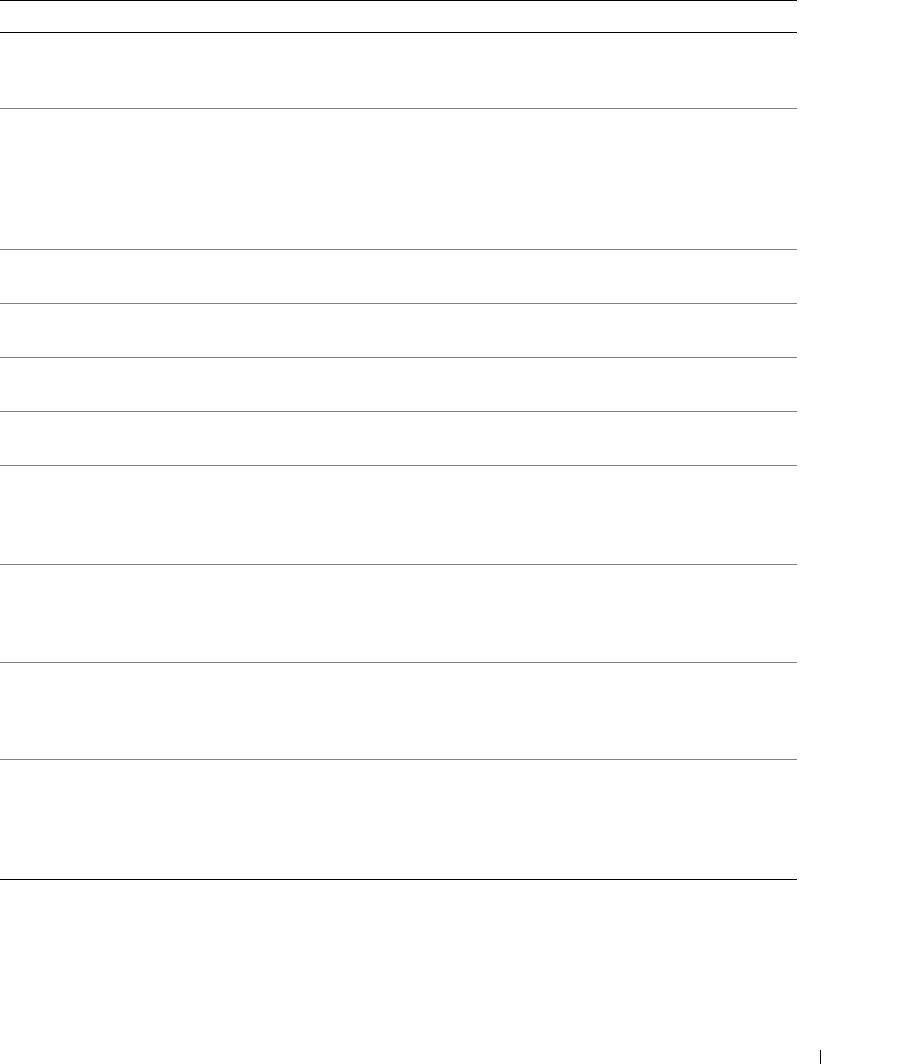
Table 1-7. LCD Status Messages (continued)
Code Text Causes Corrective Actions
E1418 CPU # Presence Specified processor is missing or
See "Troubleshooting the
bad, and the system is in an
Microprocessors" on page 108.
unsupported configuration.
E141C CPU Mismatch Processors are in a configuration
See "System Memory" on page 63.
unsupported by Dell.
Ensure that your processors match
and conform to the type described
in the Microprocessor Technical
Specifications outlined in your
system’s Getting Started Guide.
E141F CPU Protocol The system BIOS has reported a
See "Getting Help" on page 125.
processor protocol error.
E1420 CPU Bus PERR The system BIOS has reported a
See "Getting Help" on page 125.
processor bus parity error.
E1421 CPU Init The system BIOS has reported a
See "Getting Help" on page 125.
processor initialization error.
E1422 CPU Machine Chk The system BIOS has reported a
See "Getting Help" on page 125.
machine check error.
E1610 PS # Missing No power is available from the
See "Troubleshooting Power
specified power supply; specified
Supplies" on page 100.
power supply is improperly
installed or faulty.
E1614 PS # Status No power is available from the
See "Troubleshooting Power
specified power supply; specified
Supplies" on page 100.
power supply is improperly
installed or faulty.
E1618 PS # Predictive Power supply voltage is out of
See "Troubleshooting Power
acceptable range; specified power
Supplies" on page 100.
supply is improperly installed or
faulty.
E161C PS # Input Lost Power source for specified power
Check the AC power source for the
supply is unavailable, or out of
specified power supply. If the
acceptable range.
problem persists, see
"Troubleshooting Power Supplies"
on page 100.
E1620 PS # Input Range Power source for specified power
Check the AC power source for the
supply is unavailable, or out of
specified power supply. If the
acceptable range.
problem persists, see
"Troubleshooting Power Supplies"
on page 100.
About Your System 19

Table 1-7. LCD Status Messages (continued)
Code Text Causes Corrective Actions
E1624 PS Redundancy The power supply subsystem is no
See "Troubleshooting Power
longer redundant. If the last supply
Supplies" on page 100.
fails, the system will go down.
E1710 I/O Channel Chk The system BIOS has reported an
See "Getting Help" on page 125.
I/O channel check.
E1711 PCI PERR B## D##
The system BIOS has reported a
Remove and reseat the PCI
F##
PCI parity error on a component
expansion cards. If the problem
that resides in PCI configuration
persists, see "Troubleshooting
space at bus ##, device ##,
Expansion Cards" on page 107.
function ##.
If the problem persists, the riser
PCI PERR Slot #
The system BIOS has reported a
card or system board is faulty. See
PCI parity error on a component
"Getting Help" on page 125.
that resides in the specified PCI
slot.
E1712 PCI SERR B## D##
The system BIOS has reported a
Remove and reseat the PCI
F##
PCI system error on a component
expansion cards. If the problem
that resides in PCI configuration
persists, see "Getting Help" on
space at bus ##, device ##,
page 125.
function ##.
If the problem persists, the riser
PCI SERR Slot #
The system BIOS has reported a
card or system board is faulty. See
PCI system error on a component
"Getting Help" on page 125.
that resides in the specified slot.
E1714 Unknown Err The system BIOS has determined
See "Getting Help" on page 125.
that there has been an error in the
system, but is unable to determine
its origin.
E171F PCIE Fatal Err
The system BIOS has reported a
Remove and reseat the PCI
B## D## F##
PCIe fatal error on a component
expansion cards. If the problem
that resides in PCI configuration
persists, see "Troubleshooting
space at bus ##, device ##,
Expansion Cards" on page 107.
function ##.
If the problem persists, the riser
PCIE Fatal Err
The system BIOS has reported a
card or system board is faulty. See
Slot #
PCIe fatal error on a component
"Getting Help" on page 125.
that resides in the specified slot.
E1810 HDD ## Fault The SAS subsystem has
See "Troubleshooting a Hard
determined that hard drive ## has
Drive" on page 104.
experienced a fault.
20 About Your System

Table 1-7. LCD Status Messages (continued)
Code Text Causes Corrective Actions
E1811 HDD ## Rbld Abrt The specified hard drive has
See "Troubleshooting a Hard
experienced a rebuild abort.
Drive" on page 104. If the problem
persists, see your RAID
documentation.
E1812 HDD ## Removed The specified hard drive has been
Information only.
removed from the system.
E1913 CPU & Firmware
The BMC firmware does not
Update to the latest BMC
Mismatch
support the CPU.
firmware. See the BMC User’s
Guide for more information on
setup and use of BMC.
E1A14 SAS Cable A SAS cable A is missing or bad. Reseat the cable. If the problem
persists, replace the cable. See
"SAS Controller Daughter Card"
on page 56.
E1A15 SAS Cable B SAS cable B is missing or bad. Reseat the cable. If the problem
persists, replace the cable. See
"SAS Controller Daughter Card"
on page 56.
E1A17 Pwr Cable FB Flex bay power cable is missing or
Reseat the cable. If the problem
bad.
persists, replace the cable. See
"SAS Controller Daughter Card"
on page 56.
E1A18 PDB Ctrl Cable Flex bay control signals cable is
Reseat the cable. If the problem
missing or bad.
persists, replace the cable. See
"SAS Controller Daughter Card"
on page 56.
E2010 No Memory No memory is installed in the
Install memory. See "Installing
system.
Memory Modules" on page 65.
E2011 Mem Config Err Memory detected, but is not
See "Troubleshooting System
configurable. Error detected
Memory" on page 102.
during memory configuration.
E2012 Unusable Memory Memory is configured, but not
See "Troubleshooting System
usable. Memory subsystem failure.
Memory" on page 102.
E2013 Shadow BIOS Fail The system BIOS failed to copy its
See "Troubleshooting System
flash image into memory.
Memory" on page 102.
E2014 CMOS Fail CMOS failure. CMOS RAM not
See "Getting Help" on page 125.
functioning properly.
E2015 DMA Controller DMA controller failure. See "Getting Help" on page 125.
About Your System 21
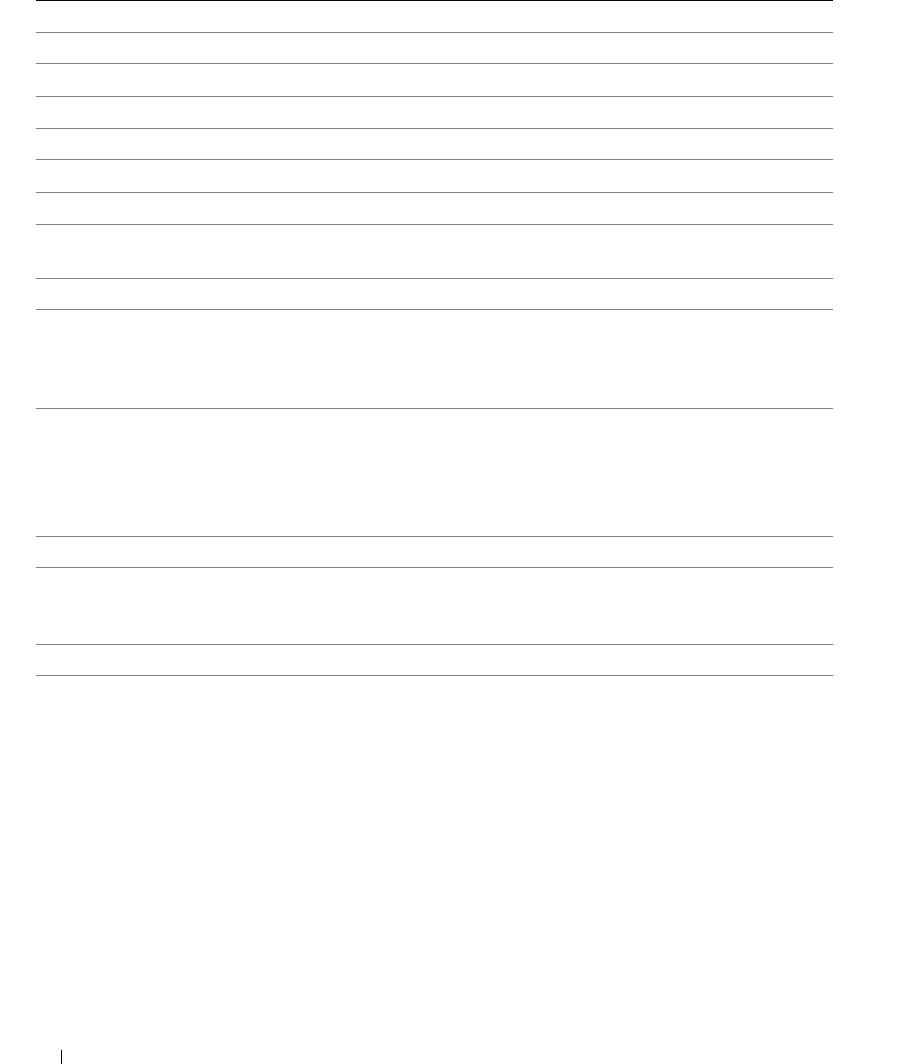
Table 1-7. LCD Status Messages (continued)
Code Text Causes Corrective Actions
E2016 Int Controller Interrupt controller failure. See "Getting Help" on page 125.
E2017 Timer Fail Timer refresh failure. See "Getting Help" on page 125.
E2018 Prog Timer Programmable interval timer error. See "Getting Help" on page 125.
E2019 Parity Error Parity error. See "Getting Help" on page 125.
E201A SIO Err SIO failure. See "Getting Help" on page 125.
E201B Kybd Controller Keyboard controller failure. See "Getting Help" on page 125.
E201C SMI Init System management interrupt
See "Getting Help" on page 125.
(SMI) initialization failure.
E201D Shutdown Test BIOS shutdown test failure. See "Getting Help" on page 125.
E201E POST Mem Test BIOS POST memory test failure. See "Troubleshooting System
Memory" on page 102. If the
problem persists, see "Getting
Help" on page 125.
E201F DRAC Config Dell remote access controller
Check for specific error messages.
(DRAC) configuration failure.
Ensure that DRAC cables and
connectors are properly seated. If
the problem persists, see your
DRAC documentation.
E2020 CPU Config CPU configuration failure. Check for specific error messages.
E2021 Memory
Incorrect memory configuration.
Check for specific error messages.
Population
Memory population order
See "Troubleshooting System
incorrect.
Memory" on page 102.
E2022 POST Fail General failure after video. Check for specific error messages.
E2110 MBE Crd # DIMM ##
One of the DIMMs in the set
See "Troubleshooting System
& ##
implicated by "## & ##" has had a
Memory" on page 102.
memory multi-bit error (MBE). If
no memory card is present, the
"Crd #" string is left out of the
message.
22 About Your System
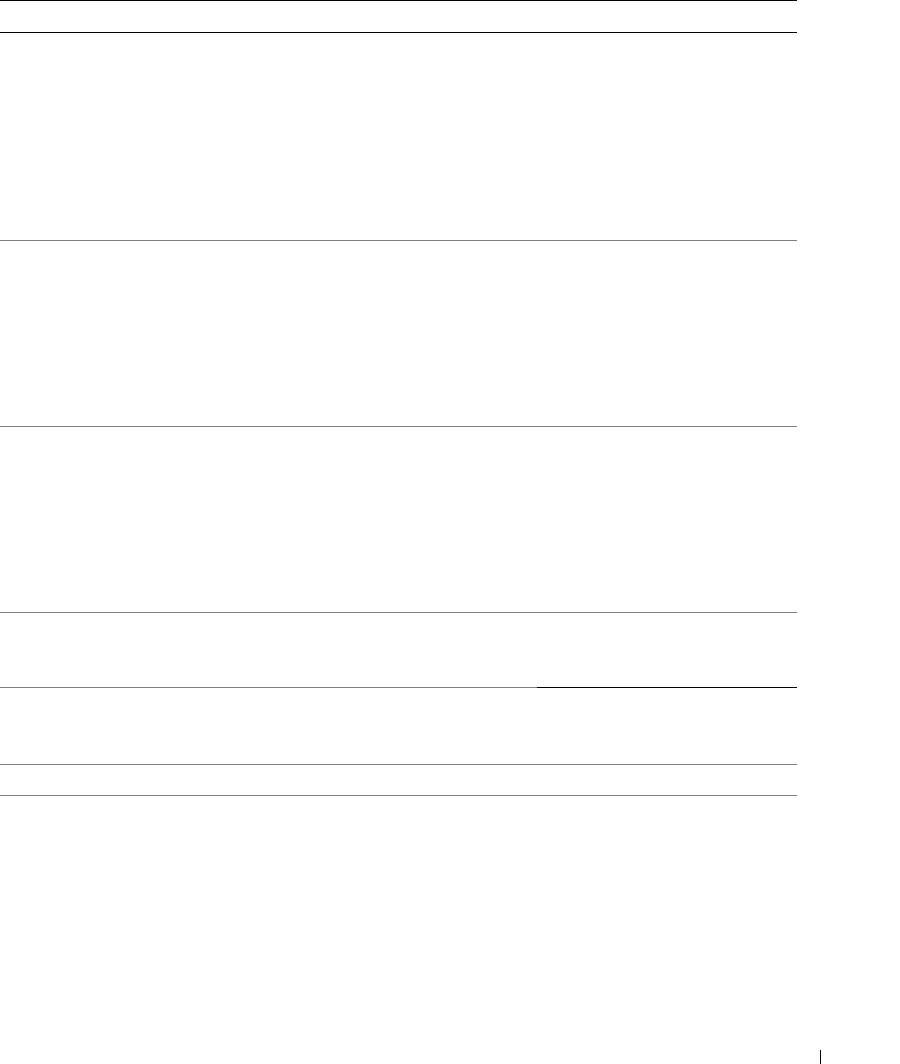
Table 1-7. LCD Status Messages (continued)
Code Text Causes Corrective Actions
E2111 SBE Log Disable
The system BIOS has disabled
See "Troubleshooting System
Crd # DIMM ##
memory single-bit error (SBE)
Memory" on page 102.
logging, and will not resume
logging further SBEs until the
system is rebooted. "##" represents
the DIMM implicated by the
BIOS. If no memory riser card is
present, the "Crd #" string is left
out of the message.
E2112 Mem Spare Crd #
The system BIOS has spared the
See "Troubleshooting System
DIMM ##
memory because it has determined
Memory" on page 102.
that the memory had too many
errors. "## & ##" represents the
DIMM pair implicated by the
BIOS. If no memory card is
present, the "Crd #" string is left
out of the message.
E2113 Mem Mirror Crd #
The system BIOS has disabled
See "Troubleshooting System
DIMM ## & ##
memory mirroring because it has
Memory" on page 102.
determined that one half of the
mirror has had too many errors.
"## & ##" represents the DIMM
pair implicated by the BIOS. If no
memory card is present, the "Crd
#" string is left out of the message.
E2118 Fatal NB Mem CRC One of the connections in the FBD
See "Troubleshooting System
memory subsystem link on the
Memory" on page 102.
Northbound side has failed.
E2119 Fatal SB Mem CRC One of the connections in the FBD
See "Troubleshooting System
memory subsystem link on the
Memory" on page 102.
Southbound side has failed.
I1910 Intrusion System cover has been removed. Information only.
I1911 >3 ERRs Chk Log LCD overflow message.
Check the SEL for details on the
events.
A maximum of three error
messages can display sequentially
on the LCD. The fourth message
displays as the standard overflow
message.
About Your System 23
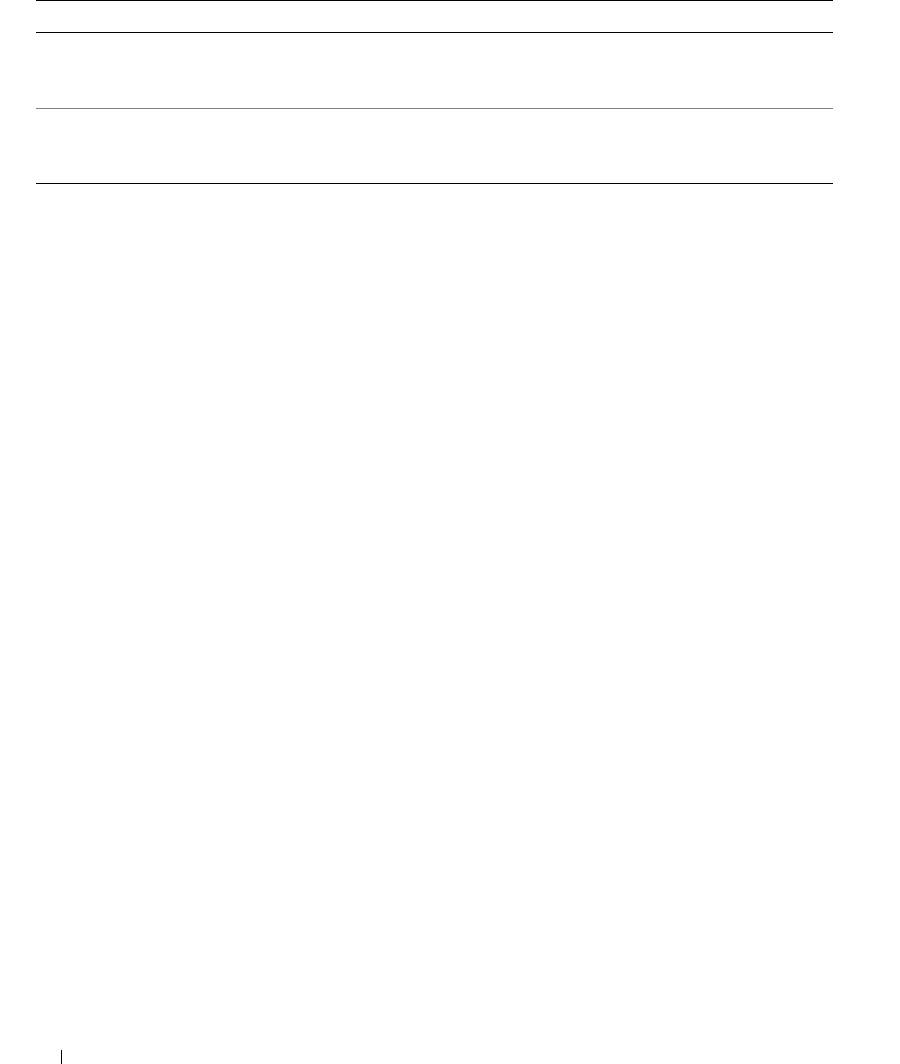
Table 1-7. LCD Status Messages (continued)
Code Text Causes Corrective Actions
I1912 SEL Full System Event Log is full of events,
Clear the log by deleting event
and is unable to log any more
entries.
events.
W1228 ROMB Batt < 24hr Warns predictively that the RAID
Replace RAID battery. See "RAID
battery has less than 24 hours of
Battery" on page 60.
charge left.
NOTE: For the full name of an abbreviation or acronym used in this table, see the "Glossary" on page 147.
Solving Problems Described by LCD Status Messages
The code and text on the LCD can often specify a very precise fault condition that is easily corrected. For
example, if the code E1418 CPU_1_Presence appears, you know that a microprocessor is not
installed in socket 1.
In contrast, you might be able to determine the problem if multiple related errors occur. For example, if you
receive a series of messages indicating multiple voltage faults, you might determine that the problem is a
failing power supply.
Removing LCD Status Messages
For faults associated with sensors, such as temperature, voltage, fans, and so on, the LCD message is
automatically removed when that sensor returns to a normal state. For example, if temperature for a
component goes out of range, the LCD displays the fault; when the temperature returns to the acceptable
range, the message is removed from the LCD. For other faults, you must take action to remove the message
from the display:
• Clear the SEL — You can perform this task remotely, but you will lose the event history for the system.
• Power cycle — Turn off the system and disconnect it from the electrical outlet; wait approximately ten
seconds, reconnect the power cable, and restart the system.
Any of these actions will remove fault messages, and return the status indicators and LCD colors to the
normal state. Messages will reappear under the following conditions:
• The sensor returns to a normal state but fails again, resulting in a new SEL entry.
• The system is reset and new error events are detected.
• A failure is recorded from another source that maps to the same display entry.
24 About Your System
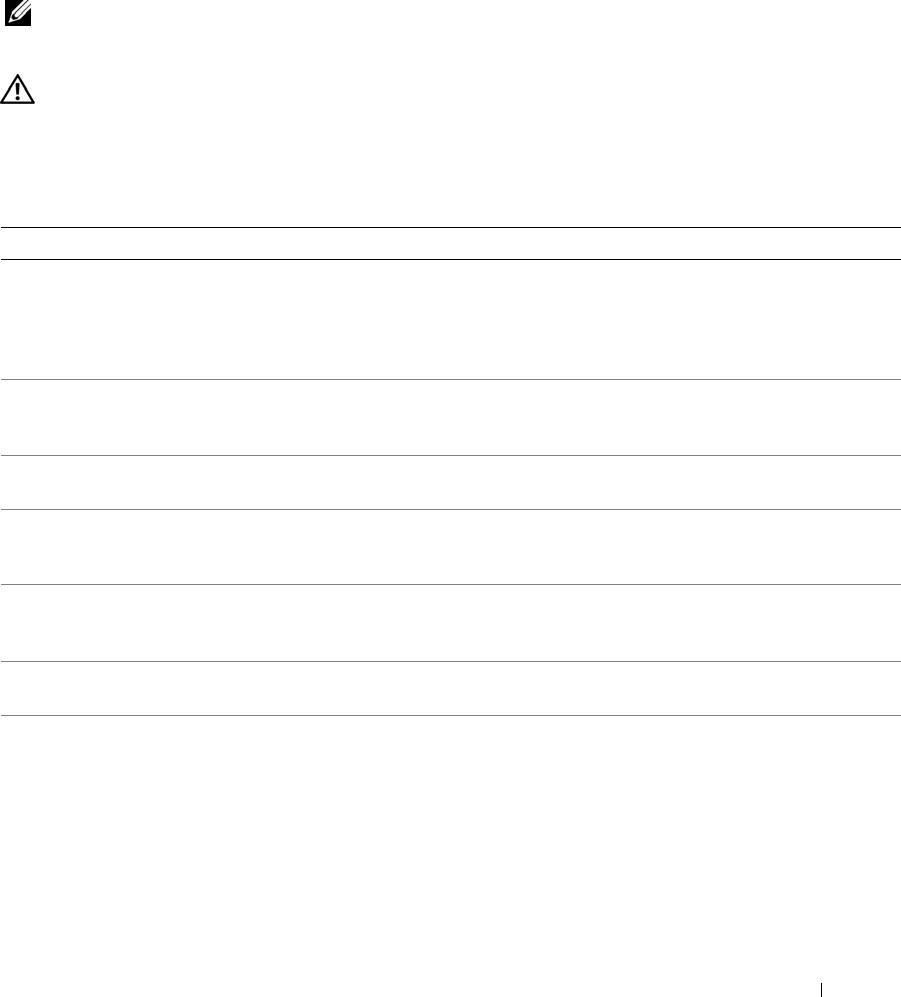
System Messages
System messages appear on the screen to notify you of a possible problem with the system. Table 1-8 lists
the system messages that can occur and the probable cause and corrective action for each message.
NOTE: If you receive a system message that is not listed in Table 1-8, check the documentation for the
application that is running when the message appears or the operating system's documentation for an explanation
of the message and recommended action.
CAUTION: Many repairs may only be done by a certified service technician. You should only perform
troubleshooting and simple repairs as authorized in your product documentation, or as directed by the online or
telephone service and support team. Damage due to servicing that is not authorized by Dell is not covered by your
warranty. Read and follow the safety instructions that came with the product.
Table 1-8. System Messages
Message Causes Corrective Actions
Alert! Redundant memory
Installed memory modules are not the
Ensure that all memory modules are of the
disabled! Memory
same type and size; faulty memory
same type and size and that they are
configuration does not
module(s).
properly installed. If the problem persists,
support redundant memory.
see "Troubleshooting System Memory"
on page 102.
Attempting to update
Remote Configuration request has been
Wait until the process is complete.
Remote Configuration.
detected and is being processed.
Please wait...
BIOS Update Attempt
Remote BIOS update attempt failed. Retry the BIOS update. If the problem
Failed!
persists, see "Getting Help" on page 125.
Caution! NVRAM_CLR jumper
NVRAM_CLR jumper is installed.
Remove NVRAM_CLR jumper. See
is installed on system
CMOS has been cleared.
Figure 6-1 for jumper location.
board.
CPUs with different cache
Microprocessors with different cache
Ensure that all microprocessors have the
sizes detected!
sizes are installed.
same cache size and that they are properly
installed. See "Processors" on page 67.
Decreasing available
Faulty or improperly installed memory
See "Troubleshooting System Memory"
memory
modules.
on page 102.
DIMM pairs must be matched
Mismatched or unmatched DIMMs
Ensure that all pairs of memory modules
in size, speed, and
installed; faulty or improperly seated
are of the same type and size and that they
technology. The following
memory module(s).
are properly installed. See "System
DIMM pair is mismatched:
Memory" on page 63. If the problem
DIMM x and DIMM y.
persists, see "Troubleshooting System
Memory" on page 102.
About Your System 25

Table 1-8. System Messages (continued)
Message Causes Corrective Actions
DIMMs must be populated in
The specified DIMM is inaccessible to
Populate 2, 4, 8, or 12 DIMMs
sequential order beginning
the system due to its location. DIMMs
sequentially beginning with slot 1. See
with slot 1. The following
must be populated in sequential order,
"System Memory" on page 63.
DIMM is electrically
beginning with slot 1.
isolated: DIMM x.
DIMMs should be installed
Mismatched or unmatched DIMMs
Ensure that all pairs of memory modules
in pairs. Pairs must be
installed; faulty or improperly seated
are of the same type and size and that they
matched in size, speed,
memory module(s). The system will
are properly installed. See "System
and technology.
operate in a degraded mode with
Memory" on page 63. If the problem
reduced ECC protection. Only memory
persists, see "Troubleshooting System
installed in channel 0 will be
Memory" on page 102.
accessible.
Dual-rank DIMM paired with
Mismatched DIMMs installed; faulty
Ensure that all pairs of memory modules
Single-rank DIMM - The
memory module(s). The system has
are of the same type and size and that they
following DIMM/rank has
detected a dual-rank DIMM paired with
are properly installed. See "System
been disabled by BIOS:
a single-rank DIMM. The second rank
Memory" on page 63. If the problem
DIMM x Rank y
of the dual-rank DIMM will be
persists, see "Troubleshooting System
disabled.
Memory" on page 102.
Error: Incorrect memory
Mismatched or unmatched DIMMs
Ensure that all pairs of memory modules
configuration. DIMMs must
installed; faulty or improperly seated
are of the same type and size and that they
be installed in pairs of
memory module(s).
are properly installed. See "System
matched memory size,
Memory" on page 63. If the problem
speed, and technology.
persists, see "Troubleshooting System
Memory" on page 102.
Error: Memory failure
Faulty or improperly seated memory
See "Troubleshooting System Memory"
detected. Memory size
module(s).
on page 102.
reduced. Replace the
faulty DIMM as soon as
possible.
!!*** Error: Remote Access
Remote Access Controller initialization
Ensure that the Remote Access Controller
Controller initialization
failure.
is properly installed. See "RAC Card" on
failure*** RAC virtual USB
page 71.
devices may not be
available...
FBD training error: The
The specified branch (channel pair)
Ensure that only Dell-qualified memory is
following branch has been
contains DIMMs that are incompatible
used. Dell recommends purchasing
disabled: Branch x
with each other.
memory upgrade kits directly from
www.dell.com or your Dell sales agent to
ensure compatibility.
Gate A20 failure Faulty keyboard controller; faulty
See "Getting Help" on page 125.
system board.
26 About Your System
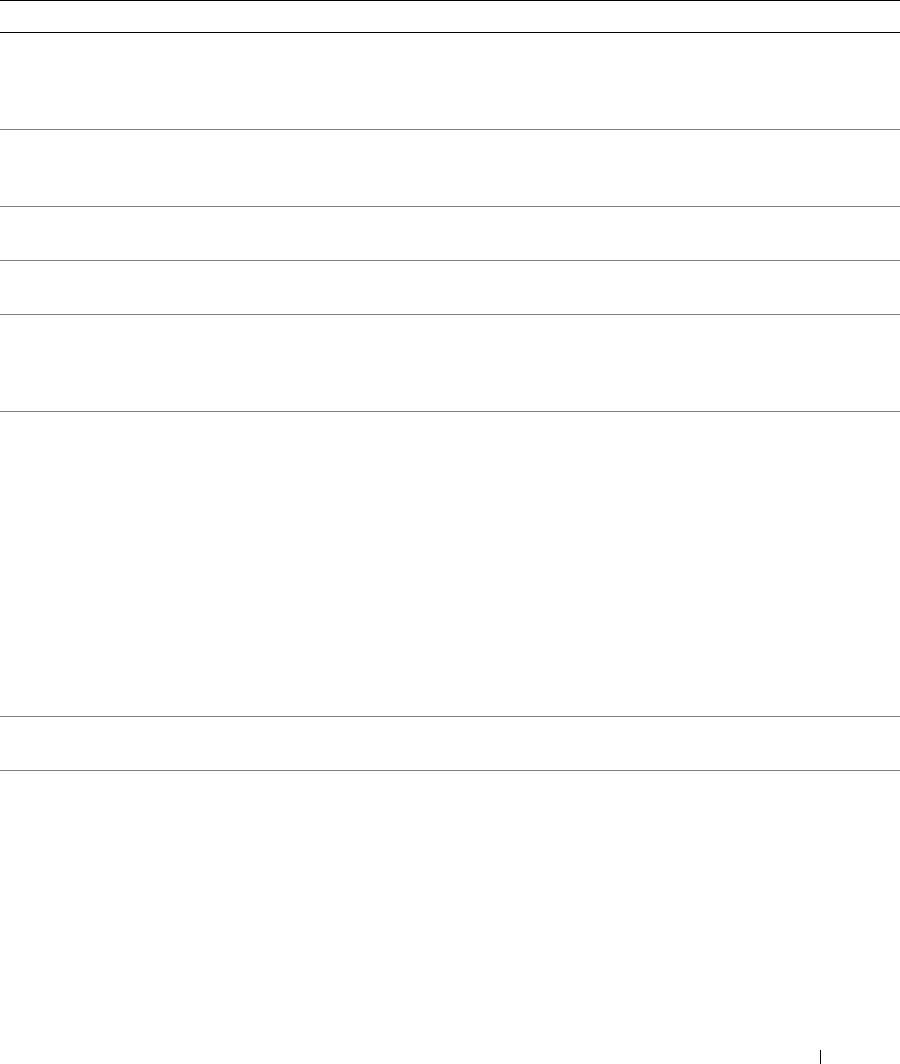
Table 1-8. System Messages (continued)
Message Causes Corrective Actions
General failure The operating system is unable to carry
This message is usually followed by
out the command.
specific information. Note the
information, and take the appropriate
action to resolve the problem.
Invalid NVRAM
System detected and corrected a
No action is required.
configuration, Resource
resource conflict.
Re-allocated
Keyboard Controller
Faulty keyboard controller; faulty
See "Getting Help" on page 125.
failure
system board
Manufacturing mode
System is in manufacturing mode. Reboot to take the system out of
detected
manufacturing mode.
MEMBIST failure - The
Faulty memory module(s). See "Troubleshooting System Memory"
following DIMM/rank has
on page 102.
been disabled by BIOS:
DIMM x Rank y
Memory address line
Faulty or improperly installed memory
See "Troubleshooting System Memory"
failure at address, read
modules.
on page 102.
value expecting value
Memory double word logic
failure at address, read
value expecting value
Memory odd/even logic
failure at address, read
value expecting value
Memory write/read failure
at address, read value
expecting value
Memory tests terminated by
POST memory test terminated by
Information only.
keystroke.
pressing the spacebar.
No boot device available Faulty or missing optical drive
Use a CD or hard drive. If the problem
subsystem, hard drive, or hard-drive
persists, see "Troubleshooting an Optical
subsystem, or no boot disk in drive A.
Drive" on page 103 and "Troubleshooting
a Hard Drive" on page 104. See "Using
the System Setup Program" on page 31
for information on setting the order of
boot devices.
About Your System 27
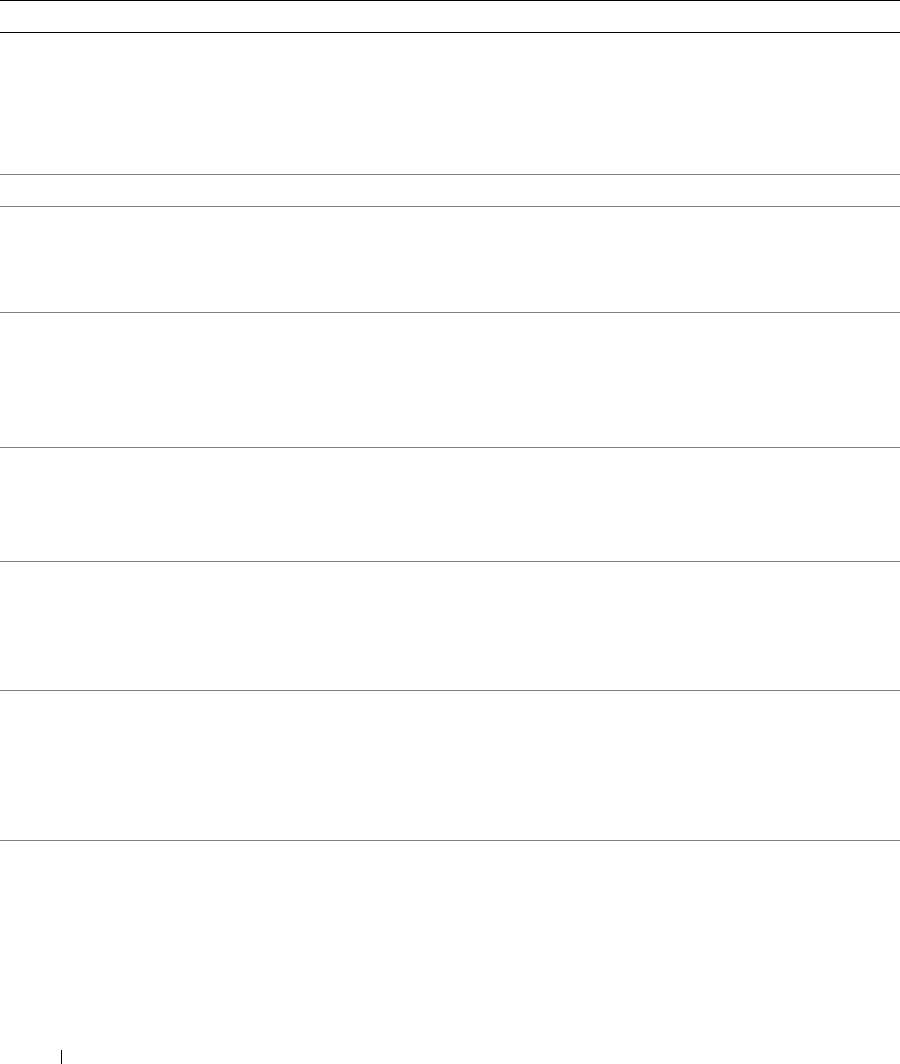
Table 1-8. System Messages (continued)
Message Causes Corrective Actions
No boot sector on hard
Incorrect configuration settings in
Check the hard-drive configuration
drive
System Setup program, or no operating
settings in the System Setup program. See
system on hard drive.
"Using the System Setup Program" on
page 31. If necessary, install the operating
system on your hard drive. See your
operating system documentation.
No timer tick interrupt Faulty system board. See “"Getting Help" on page 125."
Northbound merge error -
The specified DIMM was unable to
See "Troubleshooting System Memory"
The following DIMM has
establish a successful data link with the
on page 102.
been disabled by BIOS:
memory controller.
DIMM x
PCIe Degraded Link Width
Faulty or improperly installed PCIe
Reseat the PCIe card in the specified slot
Error: Embedded
card in the specified slot.
number. See "Expansion-Card Riser" on
Bus#nn/Dev#nn/Funcn
page 82. If the problem persists, see
"Getting Help" on page 125.
Expected Link Width is n
Actual Link Width is n
PCIe Degraded Link Width
Faulty or improperly installed PCIe
Reseat the PCIe card in the specified slot
Error: Slot n
card in the specified slot.
number. See "Expansion-Card Riser" on
page 82. If the problem persists, see
Expected Link Width is n
"Getting Help" on page 125.
Actual Link Width is n
PCIe Training Error:
Faulty or improperly installed PCIe
Reseat the PCIe card in the specified slot
Embedded
card in the specified slot.
number. See "Expansion-Card Riser" on
Bus#nn/Dev#nn/Funcn
page 82. If the problem persists, see
"Getting Help" on page 125.
PCIe Training Error:
Slot n
PCI BIOS failed to install PCI device BIOS (Option ROM)
Reseat the expansion card(s). Ensure that
checksum failure is detected during
all appropriate cables are securely
shadowing.
connected to the expansion card(s). If the
problem persists, see "Troubleshooting
Loose cables to expansion card(s);
Expansion Cards" on page 107.
faulty or improperly installed
expansion card(s).
Plug & Play Configuration
Error encountered in initializing PCI
Install the NVRAM_CLR jumper and
Error
device; faulty system board.
reboot the system. See Figure 6-1 for
jumper location. If the problem persists,
see "Troubleshooting Expansion Cards"
on page 107.
28 About Your System
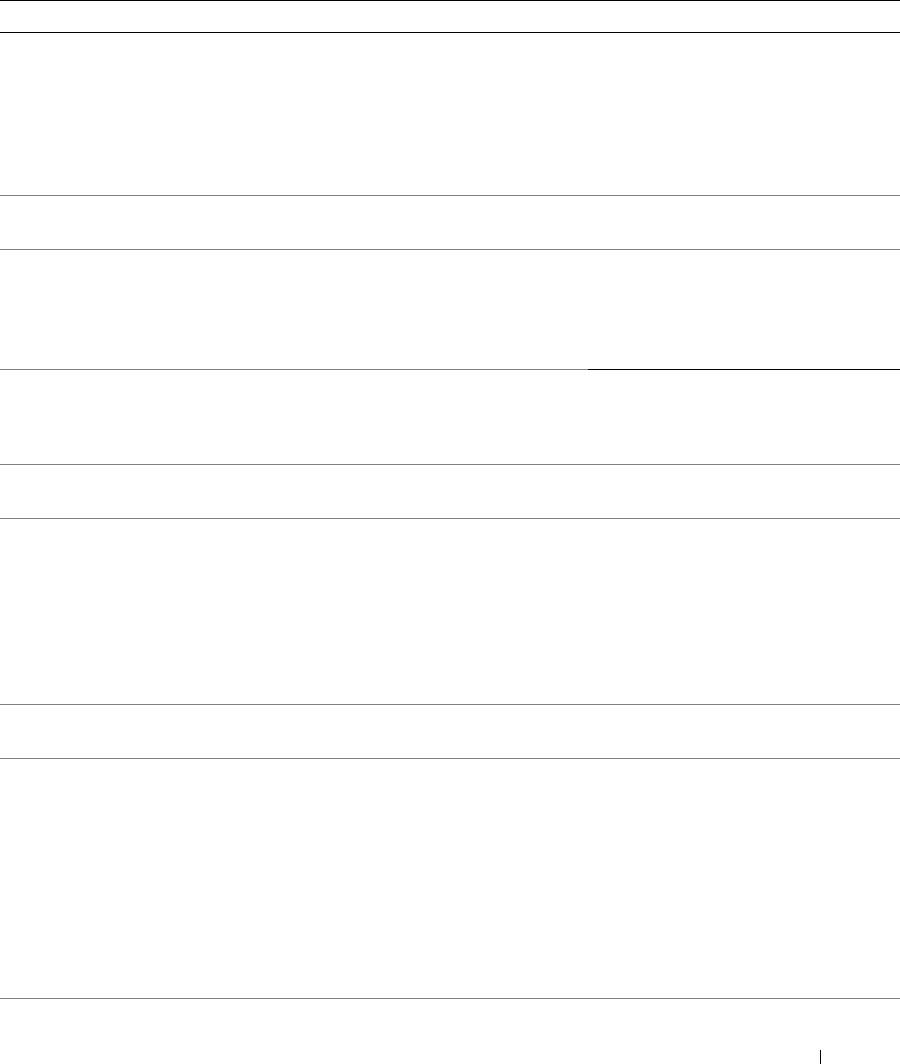
Table 1-8. System Messages (continued)
Message Causes Corrective Actions
Read fault
The operating system cannot read from
Replace the diskette. Ensure that the
the diskette or hard drive, the system
diskette and hard drive cables are properly
Requested sector not found
could not find a particular sector on the
connected. See "Troubleshooting
disk, or the requested sector is
Expansion Cards" on page 107, or
defective.
"Troubleshooting a Hard Drive" on
page 104 for the appropriate drive(s)
installed in your system.
Remote configuration
System unable to process Remote
Retry Remote Configuration.
update attempt failed
Configuration request.
ROM bad checksum = address Expansion card improperly installed or
Reseat the expansion card(s). Ensure that
faulty.
all appropriate cables are securely
connected to the expansion card(s). If the
problem persists, see "Troubleshooting
Expansion Cards" on page 107.
Sector not found
Faulty diskette or hard drive. See "Troubleshooting a Hard Drive" on
page 104 for the appropriate drive(s)
Seek error
installed in your system.
Seek operation failed
Shutdown failure Shutdown test failure. See "Troubleshooting System Memory"
on page 102.
The amount of system
Memory has been added or removed or
If memory has been added or removed,
memory has changed
a memory module may be faulty.
this message is informative and can be
ignored. If memory has not been added or
removed, check the SEL to determine if
single-bit or multi-bit errors were detected
and replace the faulty memory module.
See "Troubleshooting System Memory"
on page 102.
Time-of-day clock stopped Faulty battery or faulty chip. See "Troubleshooting the System Battery"
on page 100.
The following DIMM pair is
The specified DIMM(s) are
Ensure that only Dell-qualified memory is
not compatible with the
incompatible with the system.
used. Dell recommends purchasing
memory controller: DIMM x
memory upgrade kits directly from
and DIMM y
www.dell.com or your Dell sales agent to
ensure compatibility.
The following DIMMs are
The specified DIMM(s) are
Ensure that only ECC FBD1 memory is
not compatible: DIMM x and
incompatible with the system.
used. Dell recommends purchasing
DIMM y
memory upgrade kits directly from
www.dell.com or your Dell sales agent to
ensure compatibility.
About Your System 29
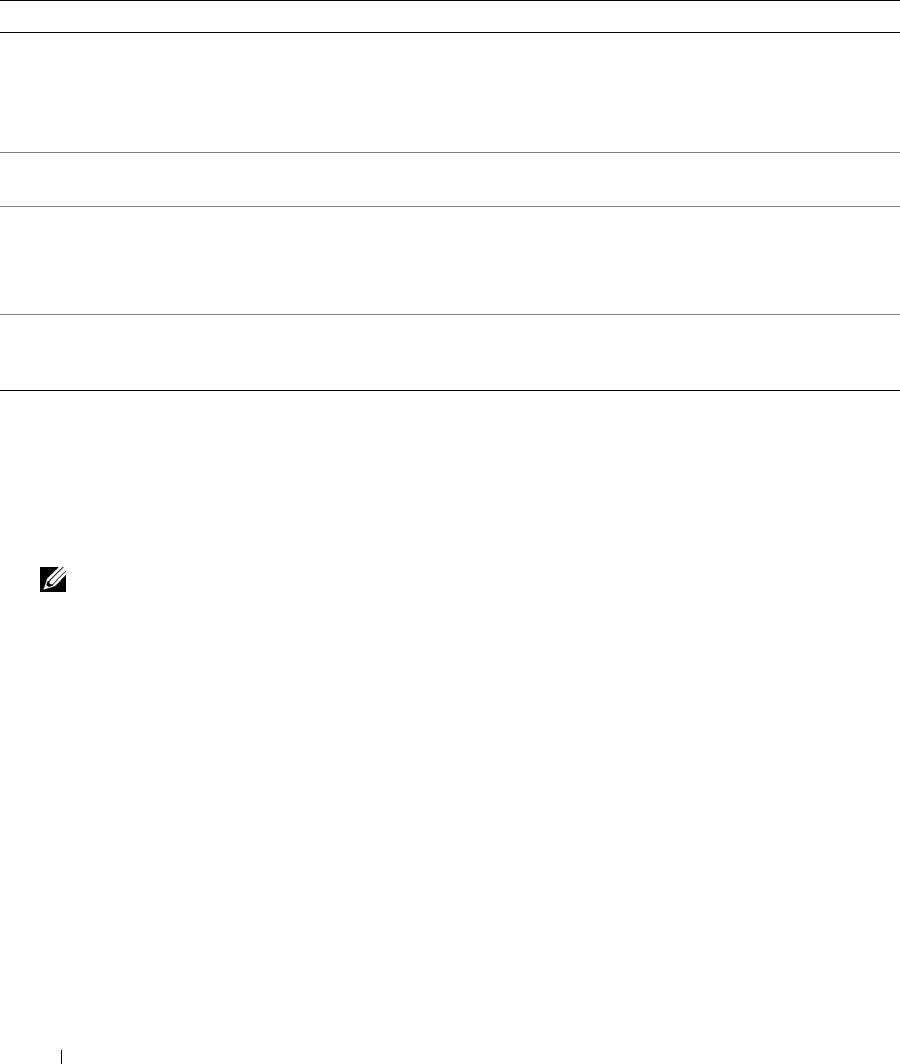
Table 1-8. System Messages (continued)
Message Causes Corrective Actions
Time-of-day not set -
Incorrect Time or Date settings; faulty
Check the Time and Date settings. See
please run SETUP program
system battery.
"Using the System Setup Program" on
page 31. If the problem persists, replace
the system battery. See "System Battery"
on page 86.
Timer chip counter 2
Faulty system board. See "Getting Help" on page 125.
failed
Unsupported CPU
Microprocessor(s) is not supported by
Install a supported microprocessor or
combination
the system.
microprocessor combination. See
"Processors" on page 67.
Unsupported CPU stepping
detected
Utility partition not
The <F10> key was pressed during
Create a utility partition on the boot hard
available
POST, but no utility partition exists on
drive. See the CDs that came with your
the boot hard drive.
system.
Warning Messages
A warning message alerts you to a possible problem and prompts you to respond before the system
continues a task. For example, before you format a diskette, a message will warn you that you may lose all
data on the diskette. Warning messages usually interrupt the task and require you to respond by typing
y
(yes) or
n (no).
NOTE: Warning messages are generated by either the application or the operating system. For more information,
see the documentation that accompanied the operating system or application.
Diagnostics Messages
When you run system diagnostics, an error message may result. Diagnostic error messages are not covered
in this section. Record the message on a copy of the Diagnostics Checklist in "Getting Help" on page 125,
and then follow the instructions in that section for obtaining technical assistance.
Alert Messages
Systems management software generates alert messages for your system. Alert messages include
information, status, warning, and failure messages for drive, temperature, fan, and power conditions. For
more information, see the systems management software documentation.
30 About Your System

2
Using the System Setup Program
After you set up your system, run the System Setup program to familiarize yourself with your system
configuration and optional settings. Record the information for future reference.
You can use the System Setup program to:
• Change the system configuration stored in NVRAM after you add, change, or remove hardware
• Set or change user-selectable options—for example, the time or date
• Enable or disable integrated devices
• Correct discrepancies between the installed hardware and configuration settings
Entering the System Setup Program
1
Turn on or restart your system.
2
Press <F2> immediately after you see the following message:
<F2> = System Setup
If your operating system begins to load before you press <F2>, allow the system to finish booting,
and then restart your system and try again.
NOTE: To ensure an orderly system shutdown, see the documentation that accompanied your
operating system.
Responding to Error Messages
You can enter the System Setup program by responding to certain error messages. If an error message
appears while the system is booting, make a note of the message. Before entering the System Setup
program, see "System Messages" on page 25 for an explanation of the message and suggestions for
correcting errors.
NOTE: After installing a memory upgrade, it is normal for your system to send a message the first time you
start your system.
Using the System Setup Program
Table 2-1 lists the keys that you use to view or change information on the System Setup program
screens and to exit the program.
Using the System Setup Program 31
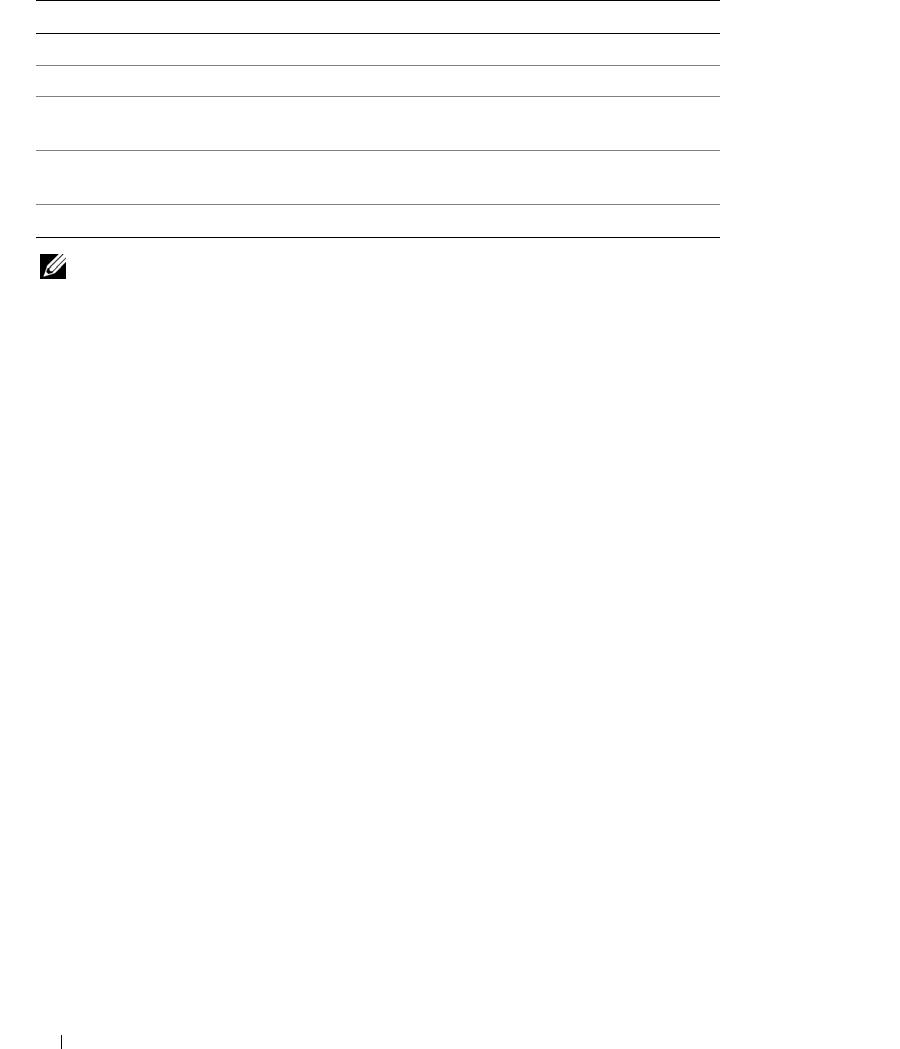
Table 2-1. System Setup Program Navigation Keys
Keys Action
Up arrow or <Shift><Tab> Moves to the previous field.
Down arrow or <Tab> Moves to the next field.
Spacebar, <+>, <
–>, left and right
Cycles through the settings in a field. In many fields,
arrows
you can also type the appropriate value.
<Esc> Exits the System Setup program and restarts the system
if any changes were made.
<F1> Displays the System Setup program's help file.
NOTE: For most of the options, any changes that you make are recorded but do not take effect until you restart
the system.
System Setup Options
Main Screen
When you enter the System Setup program, the main System Setup program screen appears (see Figure 2-1).
32 Using the System Setup Program
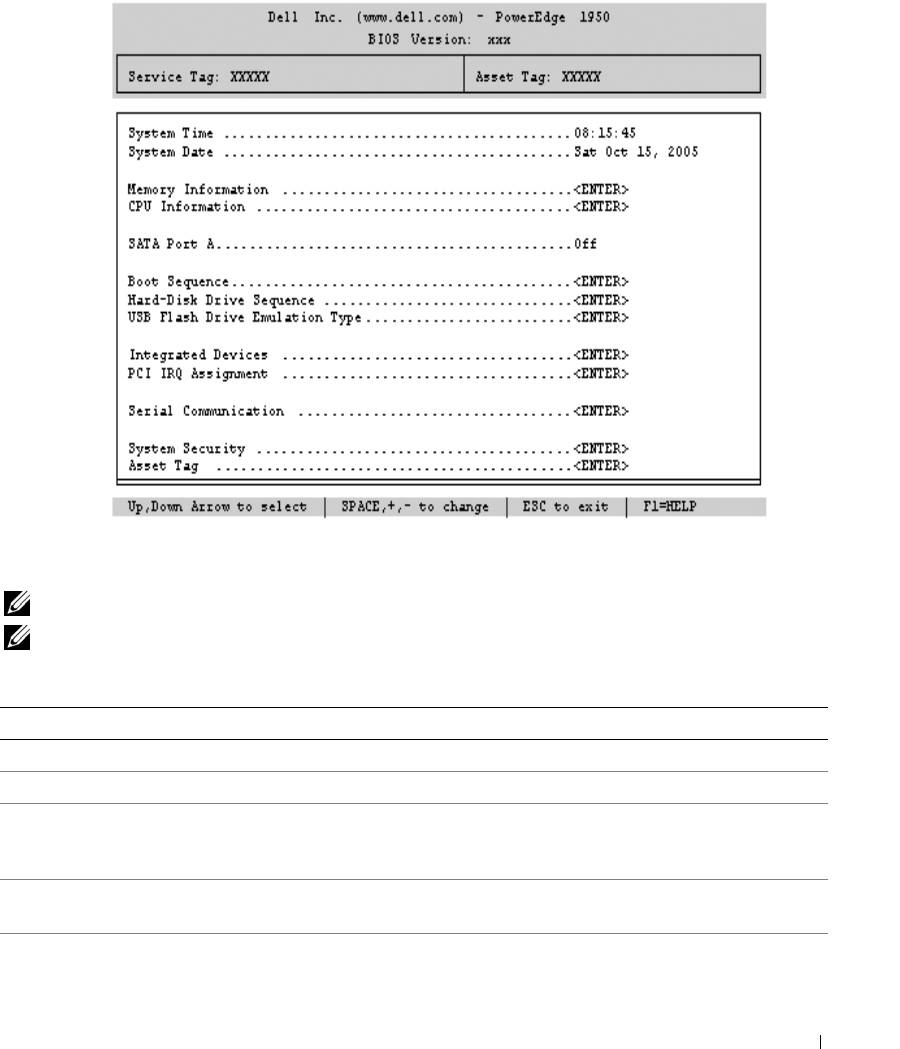
Figure 2-1. Main System Setup Program Screen
Table 2-2 lists the options and descriptions for the information fields that appear on the main System Setup
program screen. For related information, see "System Security Screen Options" on page 37.
NOTE: The options for the System Setup program change based on the system configuration.
NOTE: The System Setup program defaults are listed under their respective options, where applicable.
Table 2-2. System Setup Program Options
Option Description
System Time Resets the time on the system's internal clock.
System Date Resets the date on the system's internal calendar.
Memory Information Displays information related to installed system, video, and redundant memory,
including size, type, and speed of memory modules, system memory test option
status, and redundant memory status.
CPU Information Displays information related to microprocessors (speed, cache size, and so on). See
"CPU Information Screen" on page 35."
SATA Port x Displays type and capacity of drive attached to port x.
Using the System Setup Program 33
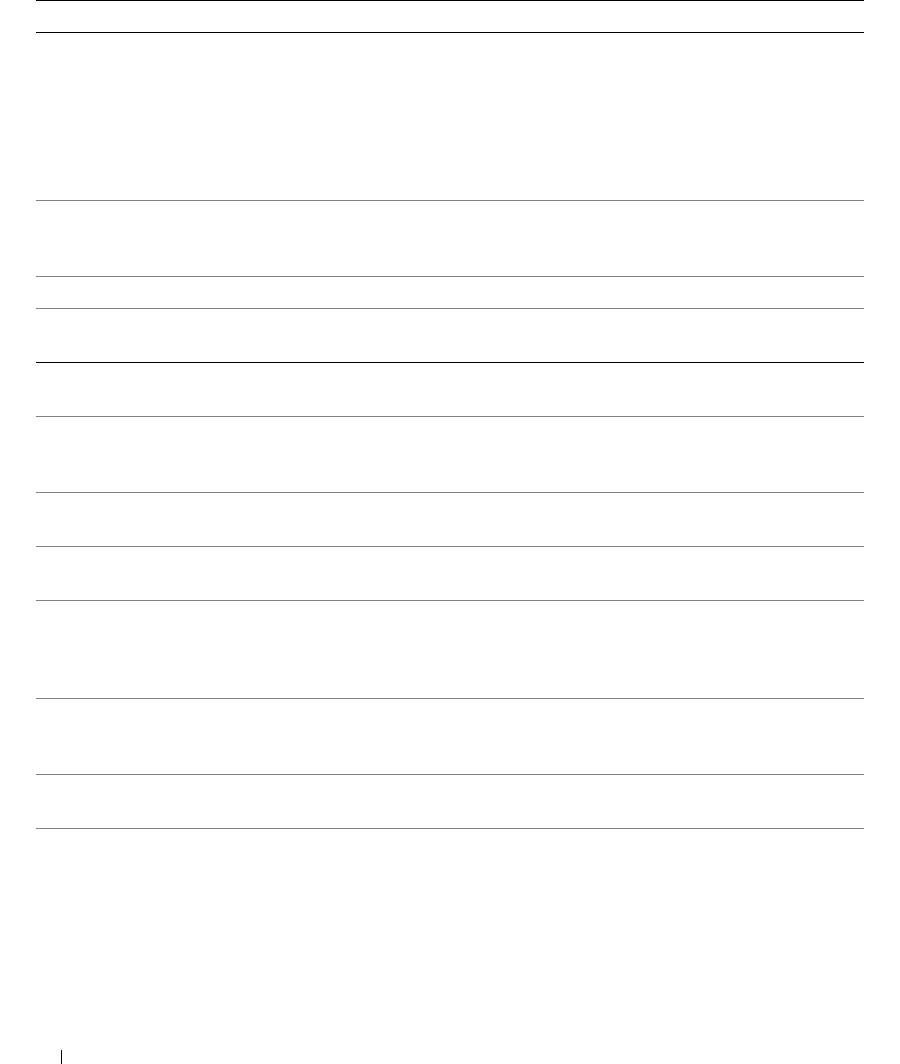
Table 2-2. System Setup Program Options (continued)
Option Description
Boot Sequence Determines the order in which the system searches for boot devices during system
startup. Available options can include the diskette drive, CD drive, hard drives, and
network. If you have installed a RAC, additional options, such as virtual floppy and
virtual CD-ROM, may be present.
NOTE: System boot is not supported from an external device attached to a SAS or
SCSI adapter. See support.dell.com for the latest support information about booting
from external devices.
USB Flash Drive Type
Determines the emulation type for a USB flash drive. Hard disk allows the USB flash
(
Auto
default)
drive to act as a hard drive. Floppy allows the USB flash drive to act as a removal
diskette drive. Auto automatically chooses an emulation type.
Integrated Devices See "Integrated Devices Screen" on page 36.
PCI IRQ Assignment Displays a screen to change the IRQ assigned to each of the integrated devices on the
PCI bus, and any installed expansion cards that require an IRQ.
Serial Communication
Options are On with Console Redirection via COM2, and Off.
(Off default)
Failsafe Baud Rate
Displays the failsafe baud rate used for console redirection when the baud rate cannot
(57600 default)
be negotiated automatically with the remote terminal. This rate should not be
adjusted.
Remote Terminal Type
Select either VT 100/VT 220 or ANSI.
(VT 100/VT 220 default)
Redirection After Boot
Enables or disables BIOS console redirection after your system boots to the operating
(Enabled default)
system.
Embedded Server
Displays a screen to configure the front-panel LCD options and to set a user-defined
Management
LCD string. For more information, see the systems management software
documentation that describes the features, requirements, installation, and basic
operation of the embedded software.
System Security Displays a screen to configure the system password and setup password features. See
"System Security Screen" on page 37, "Using the System Password" on page 38, and
"Using the Setup Password" on page 40 for more information.
Keyboard NumLock
Determines whether your system starts up with the NumLock mode activated on 101-
(
On
default)
or 102-key keyboards (does not apply to 84-key keyboards).
Report Keyboard Errors
Enables or disables reporting of keyboard errors during the POST. Select Report for
(
Report
default)
host systems that have keyboards attached. Select Do Not Report to suppress all error
messages relating to the keyboard or keyboard controller during POST. This setting
does not affect the operation of the keyboard itself if a keyboard is attached to the
system.
34 Using the System Setup Program
CPU Information Screen
Table 2-3 lists the options and descriptions for the information fields that appear on the CPU Information
screen.
Table 2-3. CPU Information Screen
Option Description
Bus Speed Displays the bus speed of the processors.
Logical Processor
Displays when the processors support HyperThreading. Enabled
(Enabled default)
permits all logical processors to be used by the operating system.
Only the first logical processor of each processor installed in the
system is used by the operating system if Disabled is selected.
Virtualization Technology
Displays when the processor(s) support Virtualization Technology.
Enabled permits virtualization software to utilize Virtualization
(Disabled default)
Technology functions incorporated in the processor design. This
feature can only be used by software that supports Virtualization
Technology.
Adjacent Cache Line
Enables or disables optimal use of sequential memory access. Disable
Prefetch
this option for applications that require high use of random memory
(Enabled default)
access.
Hardware Prefetcher
Enables or disables the hardware prefetcher.
(Enabled default)
Demand-Based Power
Enables or disables demand-based power management. When
Management
enabled, the CPU Performance State tables will be reported to the
(Disabled default)
operating system; when disabled, the CPU Performance State tables
will not be reported to the operating system. If any of the CPUs do not
support demand-based power management, the field will become
read-only, and automatically set to Disabled.
Processor X ID Displays the family and model number of each processor. A submenu
displays processor and core speed, amount of level 2 cache, and the
number of cores.
Using the System Setup Program 35
Integrated Devices Screen
Table 2-4 lists the options and descriptions for the information fields that appear on the Integrated Devices
screen.
Table 2-4. Integrated Devices Screen Options
Option Description
Integrated SAS Controller
Enables or disables the integrated SAS controller.
(Enabled default)
Embedded SATA
Allows the integrated SATA controller to be set to Off or ATA mode.
Controller
(Off default)
IDE CD-ROM Controller
Enables the integrated IDE controller. When set to
Auto
, each channel of the integrated
(Auto default)
IDE controller is enabled if IDE devices are attached to the channel and an external IDE
controller is not detected.
NOTE: This CD-ROM option will not appear on this menu screen if your system
does not include this optional device.
User-Accessible USB Ports
Enables or disables the system's user-accessible ports. Options are All Ports On,
(All Ports On default)
Only Back Ports On, or All Ports Off. Disabling the USB ports makes system
resources available for other devices.
Embedded Gb NIC1
Enables or disables the system's integrated NIC1. Options are Enabled without PXE,
(Enabled with PXE
Enabled with PXE, and Disabled. PXE support allows the system to boot from the
default)
network. Changes take effect after the system reboots.
MAC Address Displays the MAC address for NIC1. This field does not have user-selectable settings.
TOE Capability Displays the TCP/IP Offload Engine (TOE) feature status of NIC1.
Embedded Gb NIC2
Enables or disables the system's integrated NIC2. Options are Enabled without PXE,
(Enabled without PXE
Enabled with PXE, and Disabled. PXE support allows the system to boot from the
default)
network. Changes take effect after the system reboots.
MAC Address Displays the MAC address for NIC2. This field does not have user-selectable settings.
TOE Capability Displays the TCP/IP Offload Engine (TOE) feature status of NIC2.
36 Using the System Setup Program
System Security Screen
Table 2-5 lists the options and descriptions for the information fields that appear on the System Security
screen.
Table 2-5. System Security Screen Options
Option Description
System Password Displays the current status of your system's password security feature and allows you
to assign and verify a new system password.
NOTE: See "Using the System Password" on page 38 for instructions on assigning a
system password and using or changing an existing system password.
Setup Password Restricts access to the System Setup program in the same way that you restrict access
to your system using the system password feature.
NOTE: See "Using the Setup Password" on page 40 for instructions on assigning a
setup password and using or changing an existing setup password.
Password Status Setting the Setup Password option to Enabled prevents the system password from
being changed or disabled at system start-up.
To lock the system password, assign a setup password in the Setup Password option
and then change the Password Status option to Locked. In this state, you cannot
change the system password using the System Password option and cannot be
disabled at system start-up by pressing <Ctrl><Enter>.
To unlock the system password, enter the setup password in the Setup Password field
and then change the Password Status option to Unlocked. In this state, you can
disable the system password at system start-up by pressing <Ctrl><Enter> and then
change the password using the System Password option.
Power Button
Turns system's power off and on.
• If you turn off the system using the power button and the system is running an ACPI-
compliant operating system, the system can perform an orderly shutdown before
power is turned off.
• If the system is not running an ACPI-compliant operating system, power is turned off
immediately after the power button is pressed.
The button is enabled in the System Setup program. When disabled, the button can
only turn on system power.
NOTE: You can still turn on the system by using the power button, even if the Power
Button option is set to Disabled.
NMI Button NOTICE: Use the NMI button only if directed to do so by qualified support
personnel or by the operating system's documentation. Pressing this button halts
the operating system and displays a diagnostic screen.
Enables or disables the NMI feature.
Using the System Setup Program 37
Table 2-5. System Security Screen Options (continued)
Option Description
AC Power Recovery
Determines how the system reacts when power is restored to the system. If system is
(Last default)
set to Last, the system returns to the last power state. On turns on the system after
power is restored. When set to Off, the system remains off after power is restored.
Exit Screen
After you press <Esc> to exit the System Setup program, the Exit screen displays the following options:
•
Save Changes and Exit
• Discard Changes and Exit
• Return to Setup
System and Setup Password Features
NOTICE: The password features provide a basic level of security for the data on your system. If your data
requires more security, use additional forms of protection, such as data encryption programs.
NOTICE: Anyone can access the data stored on your system if you leave the system running and unattended
without having a system password assigned or if you leave your system unlocked so that someone can disable the
password by changing a jumper setting.
Your system is shipped to you without the system password feature enabled. If system security is a concern,
operate your system only with system password protection.
To change or delete an existing password, you must know the password (see "Deleting or Changing an
Existing System Password" on page 40). If you forget your password, you cannot operate your system or
change settings in the System Setup program until a trained service technician changes the password jumper
setting to disable the passwords, and erases the existing passwords. This procedure is described in
"Disabling a Forgotten Password" on page 117.
Using the System Password
After a system password is assigned, only those who know the password have full use of the system. When
the System Password option is set to Enabled, the system prompts you for the system password after the
system starts.
Assigning a System Password
Before you assign a system password, enter the System Setup program and check the System Password
option.
38 Using the System Setup Program

When a system password is assigned, the setting shown for the System Password option is Enabled. If the
setting shown for the Password Status is Unlocked, you can change the system password. If the Password
Status option is Locked, you cannot change the system password. When the system password feature is
disabled by a jumper setting, the system password is Disabled, and you cannot change or enter a new system
password.
When a system password is not assigned and the password jumper on the system board is in the enabled
(default) position, the setting shown for the System Password option is Not Enabled and the Password
Status field is Unlocked. To assign a system password:
1
Verify that the
Password Status
option is set to
Unlocked
.
2
Highlight the
System Password
option and press <Enter>.
3
Type your new system password.
You can use up to 32 characters in your password.
As you press each character key (or the spacebar for a blank space), a placeholder appears in the field.
The password assignment is not case-sensitive. However, certain key combinations are not valid. To erase
a character when entering your password, press <Backspace> or the left-arrow key.
NOTE: To escape from the field without assigning a system password, press <Enter> to move to another
field, or press <Esc> at any time prior to completing step 5.
4
Press <Enter>.
5
To confirm your password, type it a second time and press <Enter>.
The setting shown for the
System Password
changes to
Enabled
. Exit the System Setup program and
begin using your system.
6
Either reboot your system now for your password protection to take effect or continue working.
NOTE: Password protection does not take effect until you reboot the system.
Using Your System Password to Secure Your System
NOTE: If you have assigned a setup password (see "Using the Setup Password" on page 40"), the system accepts
your setup password as an alternate system password.
When the Password Status option is set to Unlocked, you have the option to leave the password security
enabled or to disable the password security.
To leave the password security enabled:
1
Turn on or reboot your system by pressing <Ctrl><Alt><Del>.
2
Type your password and press <Enter>.
To disable the password security:
1
Turn on or reboot your system by pressing <Ctrl><Alt><Del>.
2
Type your password and press <Ctrl><Enter>.
Using the System Setup Program 39

When the Password Status option is set to Locked whenever you turn on your system or reboot your
system by pressing <Ctrl><Alt><Del>, type your password and press <Enter> at the prompt.
After you type the correct system password and press <Enter>, your system operates as usual.
If an incorrect system password is entered, the system displays a message and prompts you to re-enter your
password. You have three attempts to enter the correct password. After the third unsuccessful attempt, the
system displays an error message showing the number of unsuccessful attempts and that the system has
halted and will shut down. This message can alert you to an unauthorized person attempting to use your
system.
Even after you shut down and restart the system, the error message continues to be displayed until the
correct password is entered.
NOTE: You can use the Password Status option in conjunction with the System Password and Setup Password
options to further protect your system from unauthorized changes.
Deleting or Changing an Existing System Password
1
When prompted, press <Ctrl><Enter> to disable the existing system password.
If you are asked to enter your setup password, contact your network administrator.
2
Enter the System Setup program by pressing <F2> during POST.
3
Select the
System Security
screen field to verify that the
Password Status
option is set to
Unlocked
.
4
When prompted, type the system password.
5
Confirm that
Not Enabled
is displayed for the
System Password
option.
If
Not Enabled
is displayed for the
System Password
option, the system password has been deleted. If
Enabled
is displayed for the
System Password
option, press the <Alt><b> key combination to restart the
system, and then repeat steps 2 through 5.
Using the Setup Password
Read the information in the following sections to assign or change your setup password.
Assigning a Setup Password
You can assign (or change) a setup password only when the Setup Password option is set to Not Enabled.
To assign a setup password, highlight the Setup Password option and press the <+> or <–> key. The system
prompts you to enter and verify the password. If a character is illegal for password use, the system beeps.
NOTE: The setup password can be the same as the system password. If the two passwords are different, the setup
password can be used as an alternate system password. However, the system password cannot be used in place of
the setup password.
You can use up to 32 characters in your password.
As you press each character key (or the spacebar for a blank space), a placeholder appears in the field.
40 Using the System Setup Program

The password assignment is not case-sensitive. However, certain key combinations are not valid. If you
enter one of these combinations, the system beeps. To erase a character when entering your password, press
<Backspace> or the left-arrow key.
After you verify the password, the Setup Password setting changes to Enabled. The next time you enter the
System Setup program, the system prompts you for the setup password.
A change to the Setup Password option becomes effective immediately (restarting the system is not
required).
Operating With a Setup Password Enabled
If Setup Password is set to Enabled, you must enter the correct setup password before you can modify
most of the System Setup options. When you start the System Setup program, the program prompts you to
enter a password.
If you do not enter the correct password in three attempts, the system lets you view, but not modify, the
System Setup screens—with the following exception: If System Password is not set to Enabled and is not
locked through the Password Status option, you can assign a system password (however, you cannot
disable or change an existing system password).
NOTE: You can use the Password Status option in conjunction with the Setup Password option to protect the
system password from unauthorized changes.
Deleting or Changing an Existing Setup Password
1
Enter the System Setup program and select the
System Security
option.
2
Highlight the
Setup Password
option, press <Enter> to access the setup password window, and press
<Enter> twice to clear the existing setup password.
The setting changes to
Not Enabled
.
3
If you want to assign a new setup password, perform the steps in "Assigning a Setup Password" on
page 40.
Disabling a Forgotten Password
See "Disabling a Forgotten Password" on page 117.
Baseboard Management Controller Configuration
The Baseboard Management Controller (BMC) enables configuring, monitoring, and recovery of systems
remotely. BMC provides the following features:
• Uses the system’s integrated NIC
• Fault logging and SNMP alerting
• Access to system event log and sensor status
• Control of system functions including power on and off
Using the System Setup Program 41

• Support is independent of the system’s power or operating state
• Provides text console redirection for system setup, text-based utilities, and operating system consoles
NOTE: To remotely access the BMC through the integrated NIC, you must connect the network connection to
integrated NIC1.
For additional information on using BMC, see the documentation for the BMC and systems management
applications.
Entering the BMC Setup Module
1
Turn on or restart your system.
2
Press <
Ctrl-E
> when prompted after POST.
If your operating system begins to load before you press <
Crtl-E
>, allow the system to finish booting,
and then restart your system and try again.
BMC Setup Module Options
For information about the BMC Setup Module options and how to configure the emergency management port
(EMP), see the
BMC User’s Guide
.
42 Using the System Setup Program

3
Installing System Components
This section describes how to install the following system components:
• Cooling fan modules
• Cooling shrouds
• Power supplies
• SAS controller daughter card or SAS RAID controller daughter card
• RAID battery
• RAID controller expansion card
• Expansion cards
• Boot drive
• System memory
• Processors
• RAC card
• Optical drive
• Hard drives
• SAS backplane boards
•Risers
• Sideplane board
• System battery
• Control panel assembly
• System board
Installing System Components 43
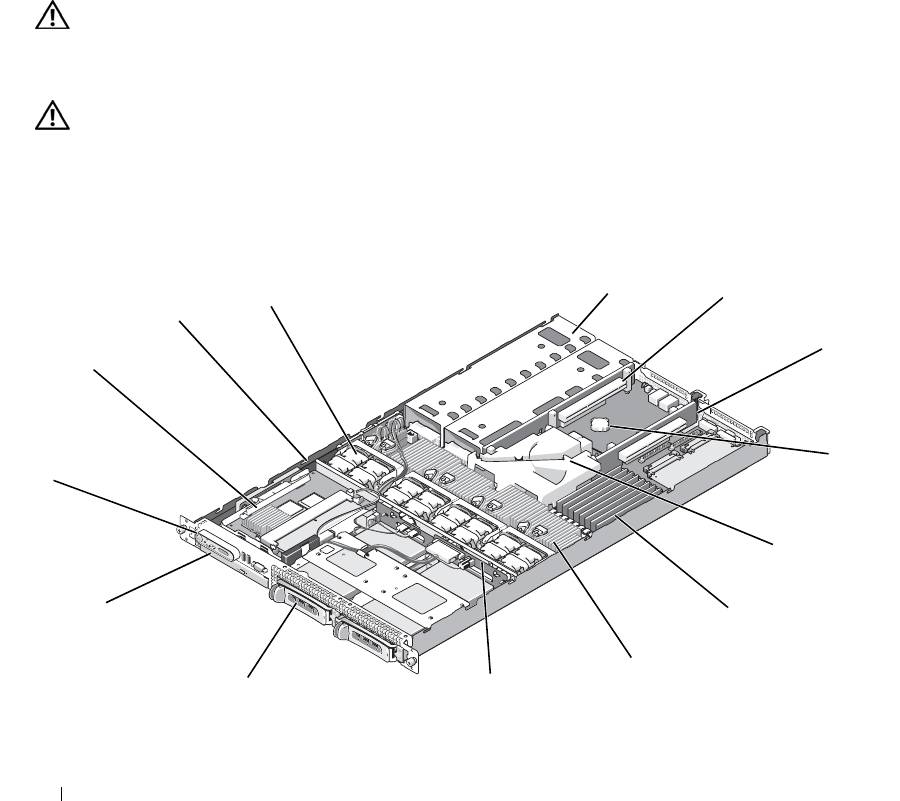
Recommended Tools
You may need the following items to perform the procedures in this section:
• Key to the system keylock
• #2 Phillips screwdriver
• T10 Torx driver
• Small flat-blade screwdriver
• Wrist grounding strap
Inside the System
CAUTION: Many repairs may only be done by a certified service technician. You should only perform
troubleshooting and simple repairs as authorized in your product documentation, or as directed by the online or
telephone service and support team. Damage due to servicing that is not authorized by Dell is not covered by your
warranty. Read and follow the safety instructions that came with the product.
CAUTION: The memory modules can become extremely hot during normal operation. Allow the modules
sufficient time to cool before handling.
In Figure 3-1, the bezel, system cover, and memory cooling shroud are removed to provide an interior view
of the system.
Figure 3-1. Inside the System
5
4
6
3
7
2
8
1
9
14
10
11
13
12
44 Installing System Components

1 control panel 2 SAS controller daughter card
3 sideplane
or SAS RAID controller
daughter card (optional)
4 cooling fan modules (4) 5 power supply bays (2) 6 left riser (slot 2)
7 center riser (slot 1) 8 battery 9 system board cooling shroud
1
memory modules (8) 11 heatsink/microprocessor (2) 12 backplane
0
1
two 3.5-inch or four 2.5-inch
14 optical slimline drive
3
hard drive bays
(optional)
The system board holds the system's control circuitry and other electronic components. Several hardware
options, such as the microprocessors and memory, are installed directly on the system board. The left and
center risers each have one slot and can accommodate up to two half-length PCI-X cards or two half-length
PCIe expansion cards. For more information, see "Expansion Cards" on page 61.
The system provides space for one optional slimline optical drive. The optical drive tray connects to the
controller on the system board through the sideplane board. For more information, see "Installing the Optical
Drive Tray" on page 74.
The hard-drive bays provide space for up to two 3.5-inch or four 2.5-inch SAS/SATA hard drives. The hard
drives connect to a SAS controller daughter card or a SAS RAID controller daughter card. For more
information, see "Installing a Hot-Plug Hard Drive" on page 76.
During an installation or troubleshooting procedure, you may be required to change a jumper setting. For
more information, see "Jumpers and Connectors" on page 115.
NOTE: There are no hot-pluggable components inside this system except for externally accessible components,
such as the power supplies and the hard drives.
Removing and Replacing the Front Bezel
1
The system is enclosed by an optional bezel. To upgrade or troubleshoot the system, remove the bezel and
cover to access the internal system components. Unless you are installing a hot-plug hard drive, turn off
the system and attached peripherals, and disconnect the system from the electrical outlet and peripherals.
NOTE: You do not need to remove the front bezel to remove the system cover.
2
Using the system key, unlock the bezel.
3
Press the tab at the left end of the bezel.
4
Rotate the left end of the bezel away from the system to release the right end of the bezel.
5
Pull the bezel away from the system. See Figure 3-2.
Installing System Components 45
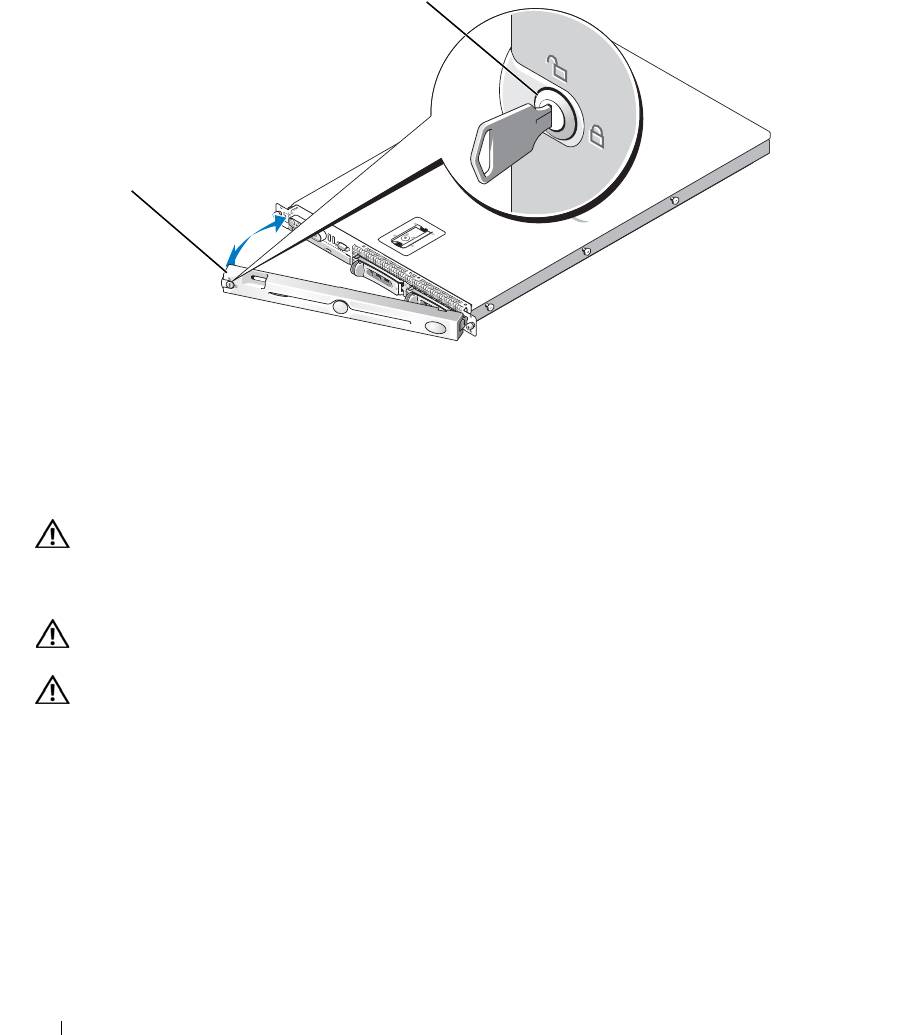
Figure 3-2. Removing the Bezel
1
2
1 key lock 2 bezel cover
To replace the front bezel, perform the preceding steps in reverse.
Opening and Closing the System
CAUTION: Many repairs may only be done by a certified service technician. You should only perform
troubleshooting and simple repairs as authorized in your product documentation, or as directed by the online or
telephone service and support team. Damage due to servicing that is not authorized by Dell is not covered by your
warranty. Read and follow the safety instructions that came with the product.
CAUTION: Whenever you need to lift the system, get others to assist you. To avoid injury, do not attempt to lift
the system by yourself.
CAUTION: The memory modules can become extremely hot during normal operation. Allow the modules
sufficient time to cool before handling.
Opening the System
To upgrade or troubleshoot the system, remove the system cover to gain access to internal components.
1
Turn off the system and attached peripherals, and disconnect the system from the electrical outlet and
peripherals.
2
Remove the bezel. See "Removing and Replacing the Front Bezel" on page 45.
3
To remove the system cover, rotate the latch release lock on the latch in a counter clockwise direction to
the unlocked position. See Figure 3-3.
46 Installing System Components
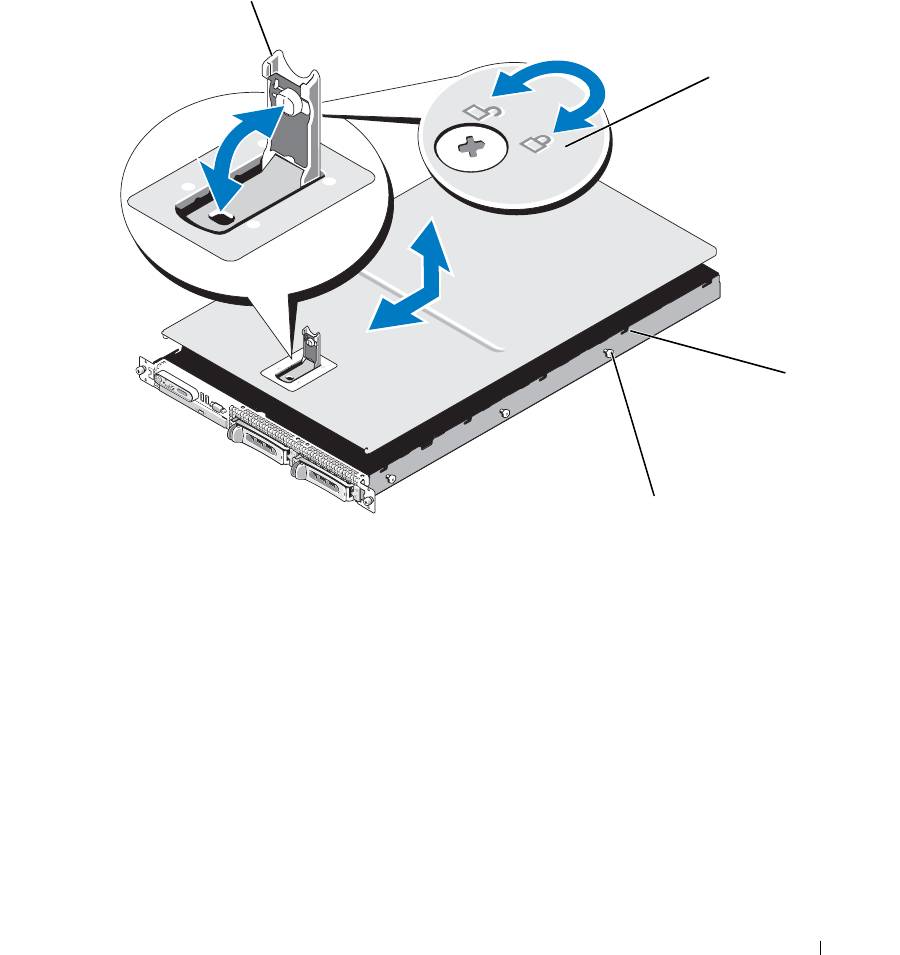
4
Lift up on the latch on top of the system to guide it back and into an offset position. See Figure 3-3.
5
Grasp the cover on both sides and carefully lift the cover away from the system.
Figure 3-3. Removing the Cover
1
2
3
4
1 latch 2 latch release lock 3 alignment J hooks
4 chassis tabs
Closing the System
1
Lift up the latch on the cover.
2
Place the cover on top of the system and offset the cover slightly back so that it clears the chassis J hooks
and lays flat on the system chassis. See Figure 3-3.
3
Lower the cover into the closed position aligning it with the J hooks and push down on the latch to guide
the cover into place.
4
Rotate the latch release lock in a clockwise direction to secure the cover.
Installing System Components 47
Cooling Fan Modules
This system contains four cooling fan modules, each comprised of two dual-rotor fans, for a total of eight fans
that are connected directly to the system board.
Removing a Cooling Fan Module
CAUTION: Many repairs may only be done by a certified service technician. You should only perform
troubleshooting and simple repairs as authorized in your product documentation, or as directed by the online or
telephone service and support team. Damage due to servicing that is not authorized by Dell is not covered by your
warranty. Read and follow the safety instructions that came with the product.
NOTE: The procedure for removing each individual fan module is the same.
1
Turn off the system and attached peripherals, and disconnect the system from the electrical outlet and
peripherals.
2
Open the system. See "Opening and Closing the System" on page 46.
NOTE: You can remove the fan modules without removing the memory cooling shroud; however, Dell
recommends that you remove this shroud before removing a fan module. Do not remove the system board cooling
shroud.
See "Removing the Memory Cooling Shroud" on page 52.
3
Raise the fan handle, disconnect the module wire harness from the system board, and pull the fan straight
up to clear the chassis. See Figure 3-4.
4
Unplug the fan module connector.
48 Installing System Components
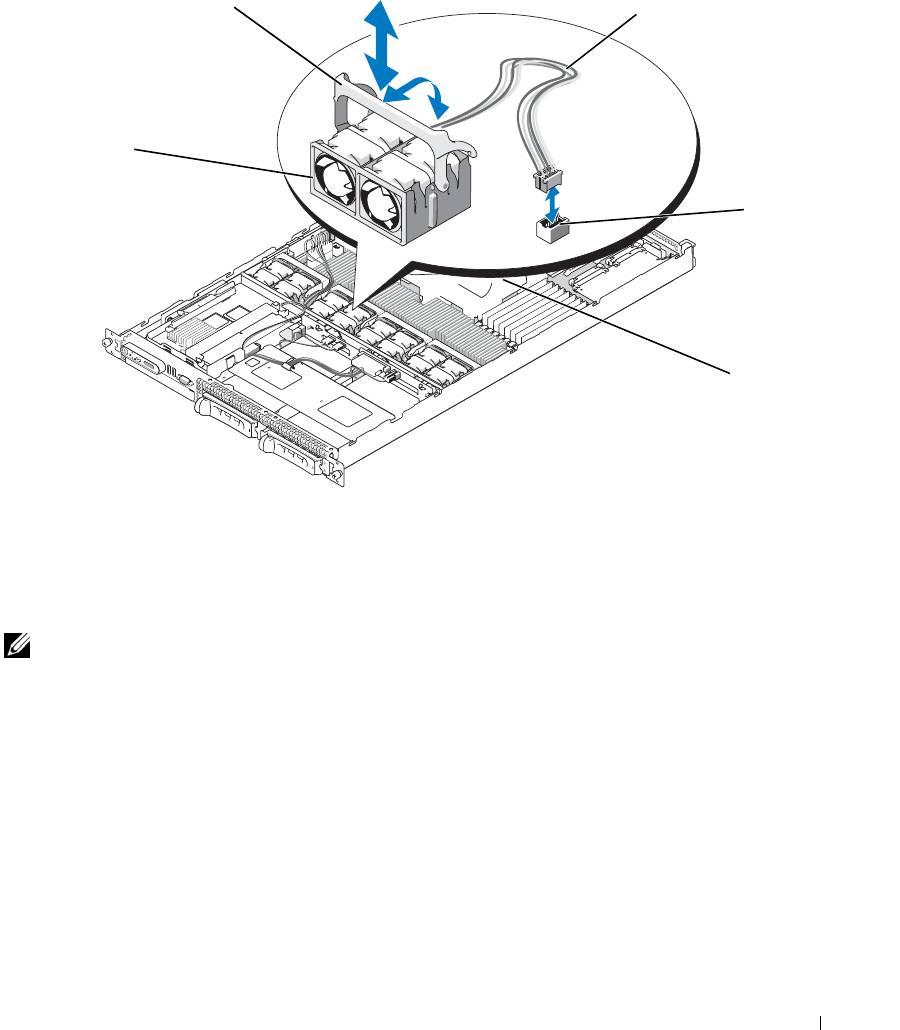
Figure 3-4. Removing and Installing a Cooling Fan
2
3
1
4
5
1 cooling fan modules (4) 2 fan module handles 3 module wire harness
4 cooling fan module connector 5 system board cooling shroud
Replacing a Cooling Fan Module
NOTE: The procedure for installing each individual fan is the same.
1
Ensure that the fan handle is upright and lower the fan into its retention base until the fan is fully seated.
Then lower the fan handle until it snaps into place. See Figure 3-4.
2
Attach the fan module connectors.
3
If you removed the memory cooling shroud to access the fan modules, replace the shroud. See "Replacing
the Memory Cooling Shroud" on page 53.
4
Close the system. See "Opening and Closing the System" on page 46.
Installing System Components 49

Removing the Plastic Fan Guide
NOTE: The plastic fan guide is mounted to the chassis between the fans.
NOTE: You may need to remove the system from the rack.
1
Remove the cooling fan modules. See "Removing a Cooling Fan Module" on page 48.
2
Remove the system from the rack. See the Rack Installation Guide for your system.
3
Place the system upside-down on a flat surface.
4
Using a #2 Phillips screwdriver, remove the two screws from the bottom of the chassis that secure the fan
bracket.
5
Turn the system right-side up, place it on a flat surface, and then remove the fan bracket.
Replacing the Plastic Fan Guide
1
While the system is out of the rack, and with the top cover removed, place the system on its side on a flat
surface.
2
Place the fan bracket into its location inside the chassis.
3
Holding the fan bracket in place, use a #2 Phillips screwdriver to replace the two screws on the bottom of
the chassis.
4
Place the system right-side up on a flat surface.
5
Replace the cooling fan modules. See "Replacing a Cooling Fan Module" on page 49.
6
Replace the system in the rack. See the Rack Installation Guide for your system.
Cooling Shrouds
Your system contains two cooling shrouds.
• System board cooling shroud
• Memory cooling shroud
System Board Cooling Shroud
The
system board cooling shroud directs airflow over the system memory modules, channeling the air from the
four fan modules. See Figure 3-5.
50 Installing System Components
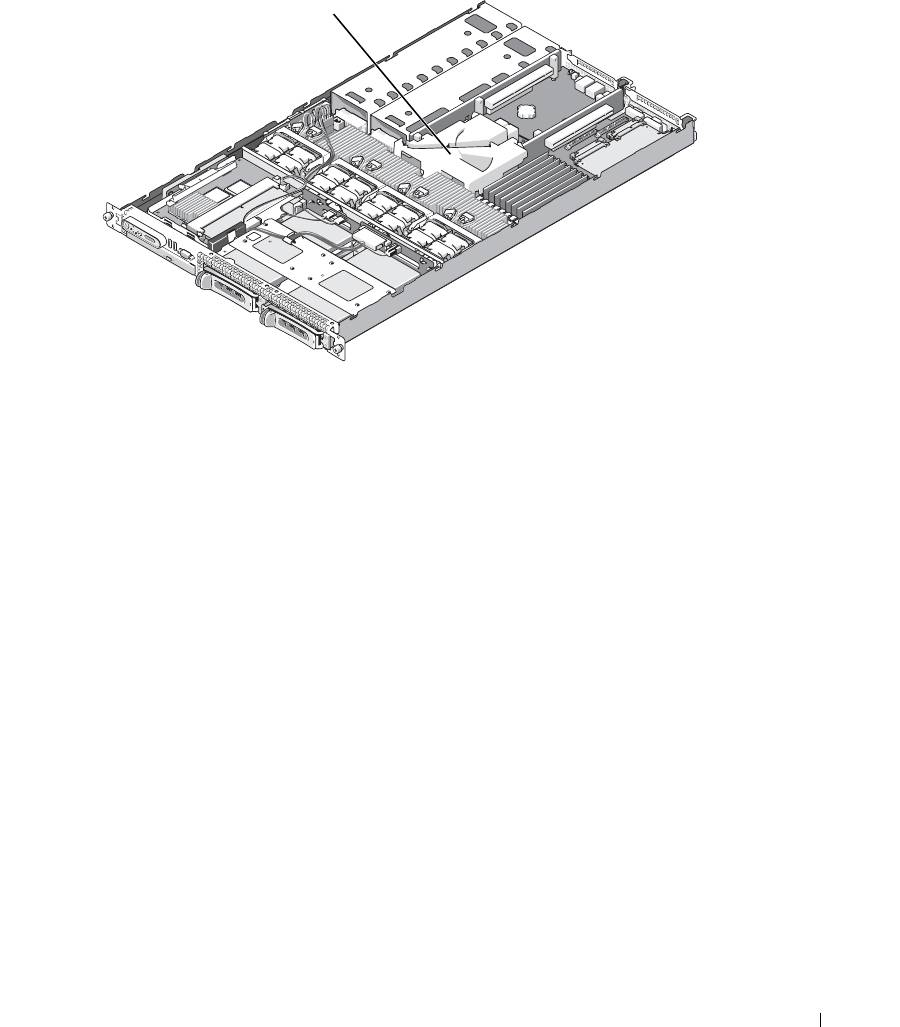
Figure 3-5. System Board Cooling Shroud
1
1 system board cooling shroud
Removing the System Board Cooling Shroud
1
If applicable, remove the bezel. See "Removing and Replacing the Front Bezel" on page 45.
2
Turn off the system and attached peripherals, and then disconnect the system from the electrical outlet.
3
Open the system. See "Opening the System" on page 46.
4
Remove the memory cooling shroud. See "Removing the Memory Cooling Shroud" on page 52.
5
Remove both the center and left risers from the system board. See "Removing an Expansion-Card Riser"
on page 82.
6
Press the tabs on the front side of the shroud (nearest to the processors), and then lift the shroud up and
away from the system.
Installing the System Board Cooling Shroud
1
Align the back of the shroud to the front of the posts of the center and rear card risers on the motherboard.
2
Press down gently on the front of the shroud until it engages with the plastic tabs on the motherboard.
3
Place the center and left risers. See "Installing an Expansion-Card Riser" on page 83.
4
Replace the memory cooling shroud. See "Replacing the Memory Cooling Shroud" on page 53.
5
Close the system. See "Closing the System" on page 47.
Installing System Components 51
6
If applicable, replace the bezel. See "Removing and Replacing the Front Bezel" on page 45.
7
Attach any peripherals, connect the system to the electrical source, and then turn on the system.
Memory Cooling Shroud
The memory cooling shroud covers both the memory modules (DIMMs) and the processors. This shroud can be
removed and installed. See Figure 3-6 and "System Board Removal" on page 91.
Removing the Memory Cooling Shroud
CAUTION: Many repairs may only be done by a certified service technician. You should only perform
troubleshooting and simple repairs as authorized in your product documentation, or as directed by the online or
telephone service and support team. Damage due to servicing that is not authorized by Dell is not covered by your
warranty. Read and follow the safety instructions that came with the product.
CAUTION: The memory modules are hot to the touch for some time after the system has been powered down.
Allow time for the memory modules to cool before handling them. Handle the memory modules by the card edges
and avoid touching the components on the memory module.
NOTICE: Never operate your system with the memory cooling shroud removed. Overheating of the system can
develop quickly resulting in a shutdown of the system and the loss of data.
1
To remove the cooling shroud, locate the release tab on the shroud edge that is nearest to the adjacent
system board shroud. See Figure 3-6.
2
Pull up on the release tab to release the memory cooling shroud.
3
Unseat the shroud from the securing tabs located on the periphery of the shroud.
4
Carefully lift the shroud straight up to disengage it from the system board, and then lift the shroud away
from the system.
52 Installing System Components
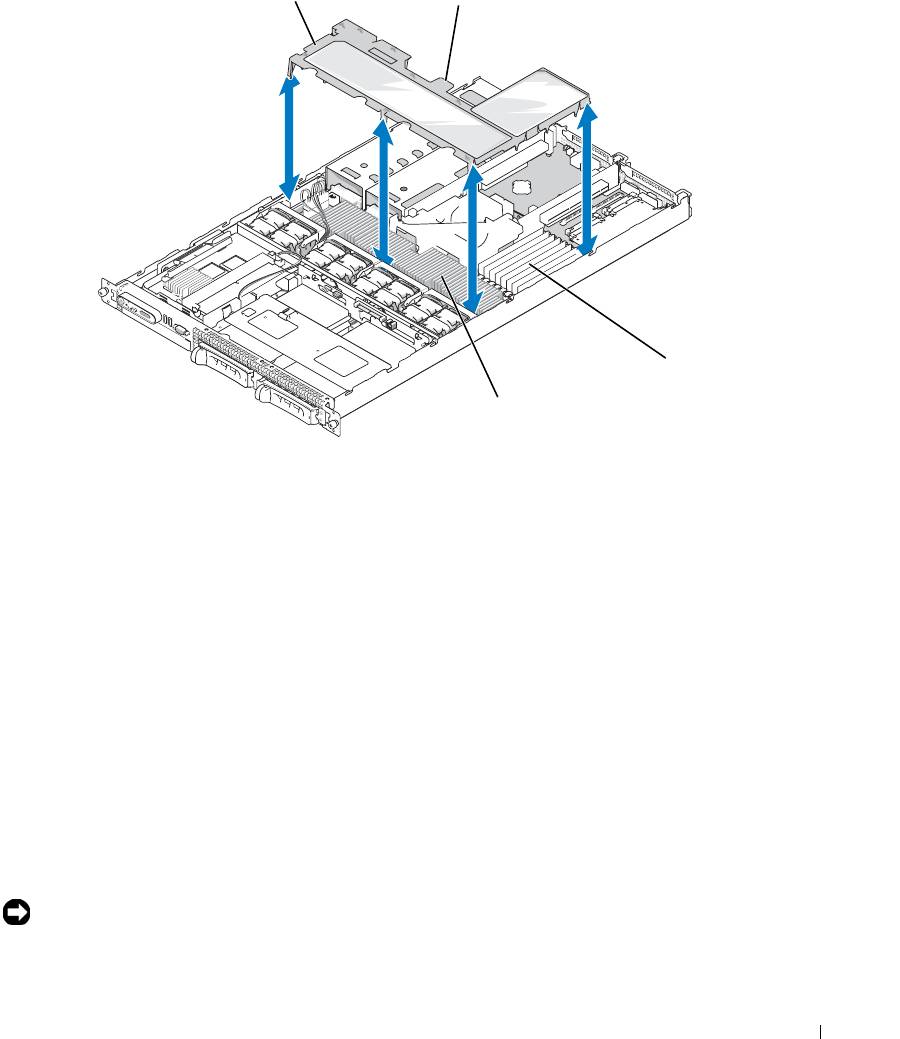
Figure 3-6. Memory Cooling Shroud
1
2
3
4
1 memory cooling shroud 2 memory shroud release tab 3 memory modules (8)
4 system processors (2)
Replacing the Memory Cooling Shroud
1
To install the memory cooling shroud, align the shroud directly over the memory modules and the
processors.
2
Using the interior system board cooling shroud as a guide, slowly lower the shroud straight down onto the
system, directly over the processors and memory modules.
3
Gently press around the periphery of the shroud until it engages with the external tabs and snaps into
place.
Power Supplies
Your system supports one or two power supplies rated at an output of 670 W. If only one power supply is
installed, it must be installed in the left power supply bay (bay 1). If two power supplies are installed, the
second power supply serves as a redundant, hot-plug power source.
NOTICE: In a non-redundant configuration, the power supply blank must be installed in the unoccupied power
supply bay to ensure proper system cooling. See "Installing the Power Supply Blank" on page 56.
Installing System Components 53
Removing a Power Supply
NOTICE: The system requires one power supply for the system to operate normally. The system is in the
redundant mode when two power supplies are installed and both power supplies are connected to an AC power
source. Remove and replace only one power supply at a time in a system that is powered on. Operating the system
with only one power supply installed and without a power supply blank installed for extended periods of time can
cause the system to overheat.
NOTICE: If only one power supply is installed, it must be installed in the left power supply bay (1).
NOTICE: If you connect the system to a power source in the range of 120 to 220 VAC, and if two power supplies
are installed, the second power supply serves as a redundant, hot-plug power source.
NOTE: On your rack system, you may have to unlatch and lift the cable management arm if it interferes with
power supply removal. For information about the cable management arm, see the system’s Rack Installation
Guide.
1
If your system has a single power supply, turn off the system and all attached peripherals. For a redundant
system, you can leave the system running and proceed to the next step.
2
Disconnect the power cable from the power source.
3
Disconnect the power cable from the power supply and remove the cable from the cable retention bracket.
NOTICE: On a rack system, you may need to temporarily unlatch and lift the cable management arm. For
information about the cable management arm, see the system’s Rack Installation Guide.
4
Release the locking tab on the left side of the power supply by pressing in toward the right until the power
supply is released from the chassis. See Figure 3-7.
5
Holding the power-supply handle, pull the power supply straight out to clear the chassis.
54 Installing System Components
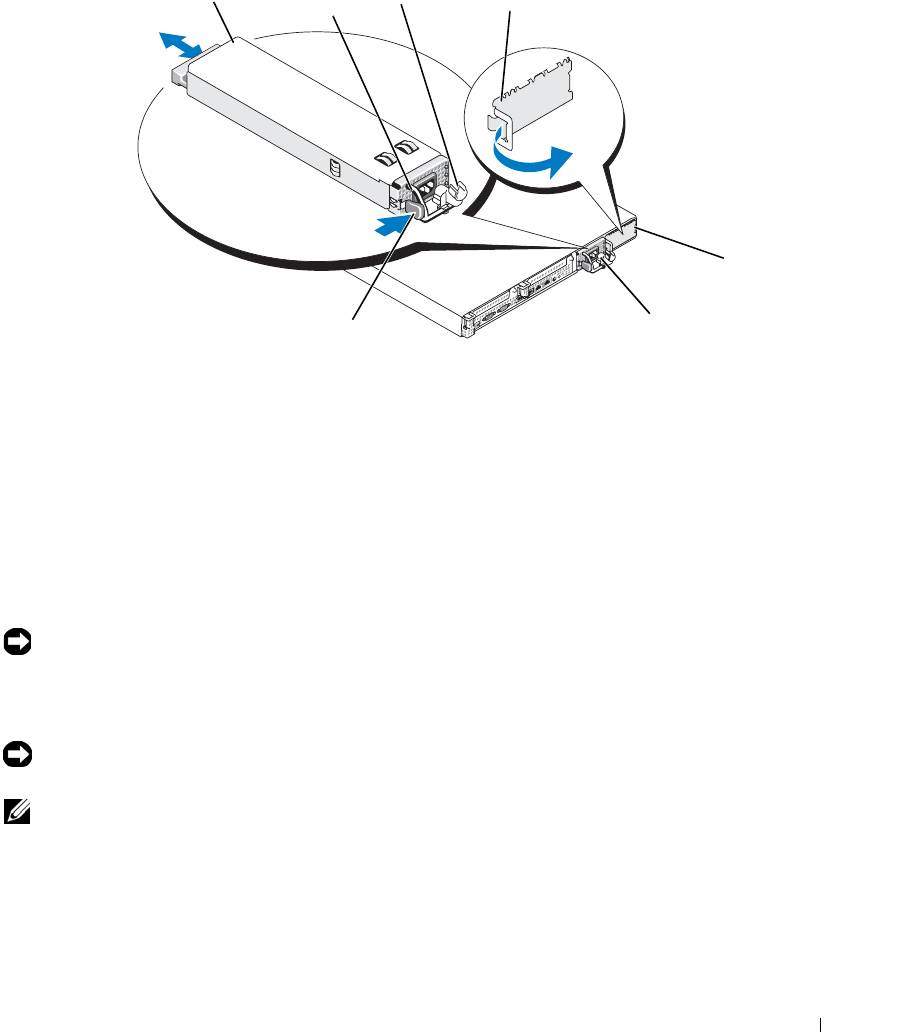
Figure 3-7. Removing and Installing a Power Supply
3
1
2
4
5
6
7
1 power-supply 2 power-supply handle 3 cable retention bracket
4 power supply blank 5 power-supply bay 2 (optional) 6 redundant power supply bay 1
7 locking tab
Replacing a Power Supply
1
If you are adding a second power supply, remove the power supply blank. See "Removing a Power
Supply" on page 54.
2
Holding the power-supply handle, slide the new power supply into the chassis until it is fully seated and
contacts the system chassis. See Figure 3-7.
NOTICE: On a rack system, you may need to temporarily unlatch and lift the cable management arm. For
information about the cable management arm, see the system’s Rack Installation Guide.
3
Insert the power cable through the cable retention bracket, connect the power cable to the power supply,
and plug the cable into a power outlet.
NOTICE: For more information about the power cable retention bracket, see the Getting Started With Your
System guide.
NOTE: After installing a new power supply in a system with two power supplies, allow several seconds for the
system to recognize the power supply and determine its status. The power-supply status indicator turns green to
signify that the power supply is functioning properly (see Figure 1-4).
Installing System Components 55
Removing the Power Supply Blank
Press the latch on the left side to release and remove the blank, rotating the blank slightly to clear the bay,
and remove from the chassis.
NOTICE: To ensure proper system cooling, the power supply blank must be installed on the unoccupied power
supply bay in a non-redundant configuration. Remove the power supply blank only if you are installing a second
power supply.
Installing the Power Supply Blank
To install the power supply blank, insert the tab on the right edge of the blank into the slot in the power
supply bay wall. Rotate the blank into the power supply bay until it is fully seated.
SAS Controller Daughter Card
Your system includes a dedicated slot on the sideplane for an optional SAS controller daughter card. The
SAS controller daughter card provides the SAS storage subsystem for your system’s two optional internal
hard drives. The optional SAS RAID controller daughter card allows you to set up any internal hard drives
in a RAID configuration.
Removing a SAS Controller Daughter Card
1
If you are removing a SAS RAID controller daughter card, disconnect the battery cable from the card by
releasing the tab on the cable connector on the daughter card. See Figure 3-26.
2
Pull on the release latch on the daughter card (see Figure 3-8) and slide the daughter card tray towards the
hard drives.
3
Continue to hold the guide rails outward as you pull the SAS controller daughter card upward from the
rails.
Installing a SAS Controller Daughter Card or SAS RAID Controller Daughter Card
NOTICE: If you are installing a SAS RAID daughter card, be careful not to press on the memory module on the
card (see Figure ). to avoid damaging the memory module or its socket.
NOTICE: If you are installing a new or replacement SAS RAID daughter card, do not remove the card’s plastic
cover until you have completed installing the card.
1
Hold the metal daughter card tray by its edges with the release latch and edge connector facing the
sideplane board. See Figure 3-8.
2
Align the two slots in the daughter card tray and the corresponding tabs on the chassis, then lower the card
tray onto the chassis.
3
Slide the daughter card tray towards the sideplane until the edge connector on the daughter card fits into
the socket on the sideplane board and the release latch engages. See Figure 3-8.
56 Installing System Components
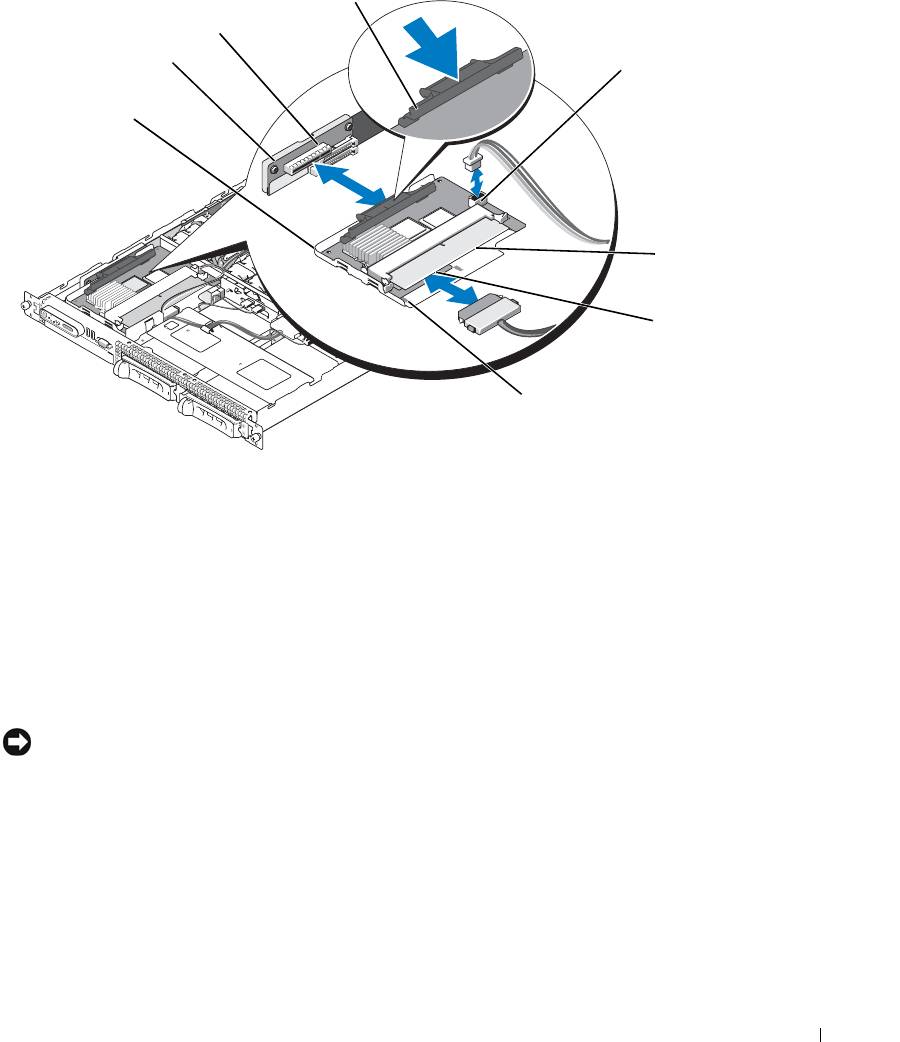
Figure 3-8. Installing a SAS Controller Daughter Card
4
3
2
5
1
6
7
8
1 SAS controller daughter card
2 sideplane 3 daughter card socket
and tray assembly
4 release latch 5 RAID battery connector (SAS
6 RAID memory module
RAID controller daughter card
(DIMM) (SAS RAID
only)
controller daughter card only)
7 SAS RAID connector 0 (to
8 alignment slots in card tray (2)
backplane SAS A)
4
Attach any cables from the internal storage daughter card to the backplane, referring to Figure 3-9 and
Figure 3-10 for the cabling guidelines for your system’s card and backplane configuration.
NOTICE: You must follow the cabling diagrams for connecting the hard drives to either of the internal storage
daughter cards that are illustrated in the following figures to ensure proper connection. Figure 3-9 illustrates the
cable routing for the SAS controller daughter card and Figure 3-10 illustrates the cable routing for the SAS RAID
controller daughter card.
Installing System Components 57
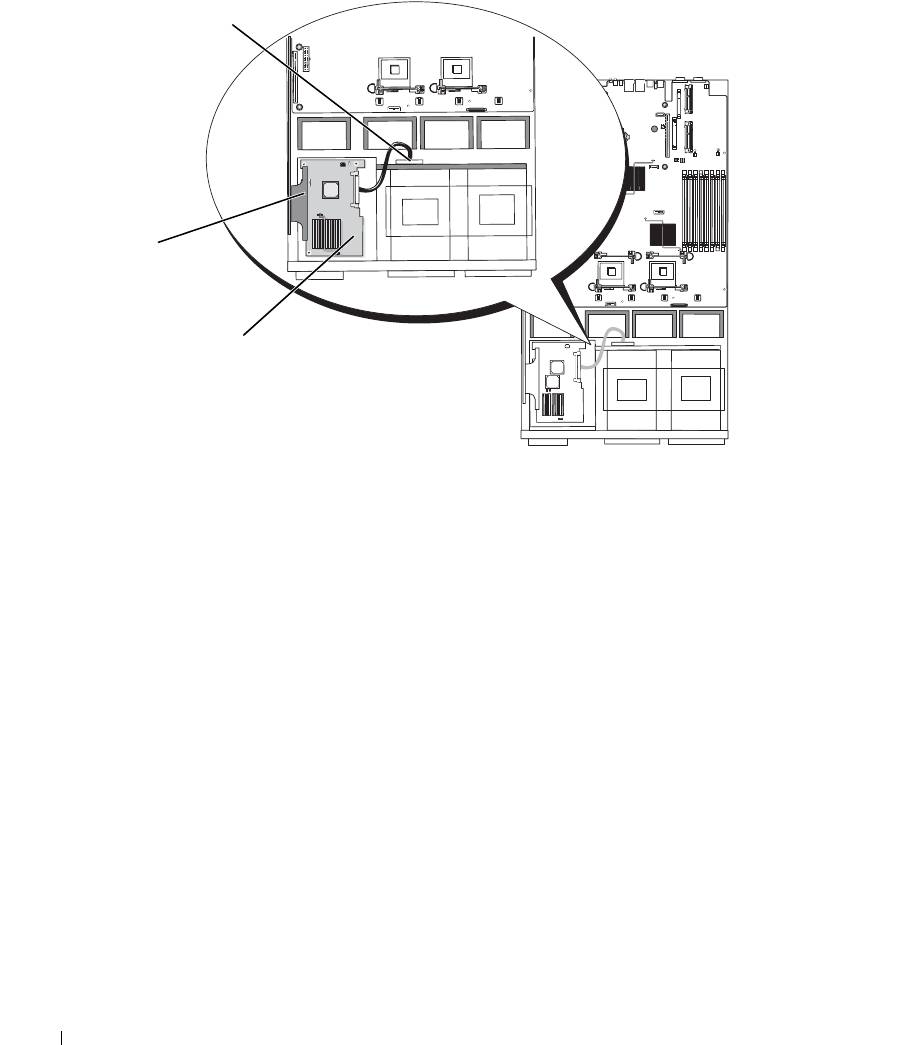
Figure 3-9. Cable Routing for the SAS Controller Daughter Card
3
2
1
1 SAS connector SAS 0 2 SAS controller daughter card 3 SAS backplane connector
SAS A
58 Installing System Components
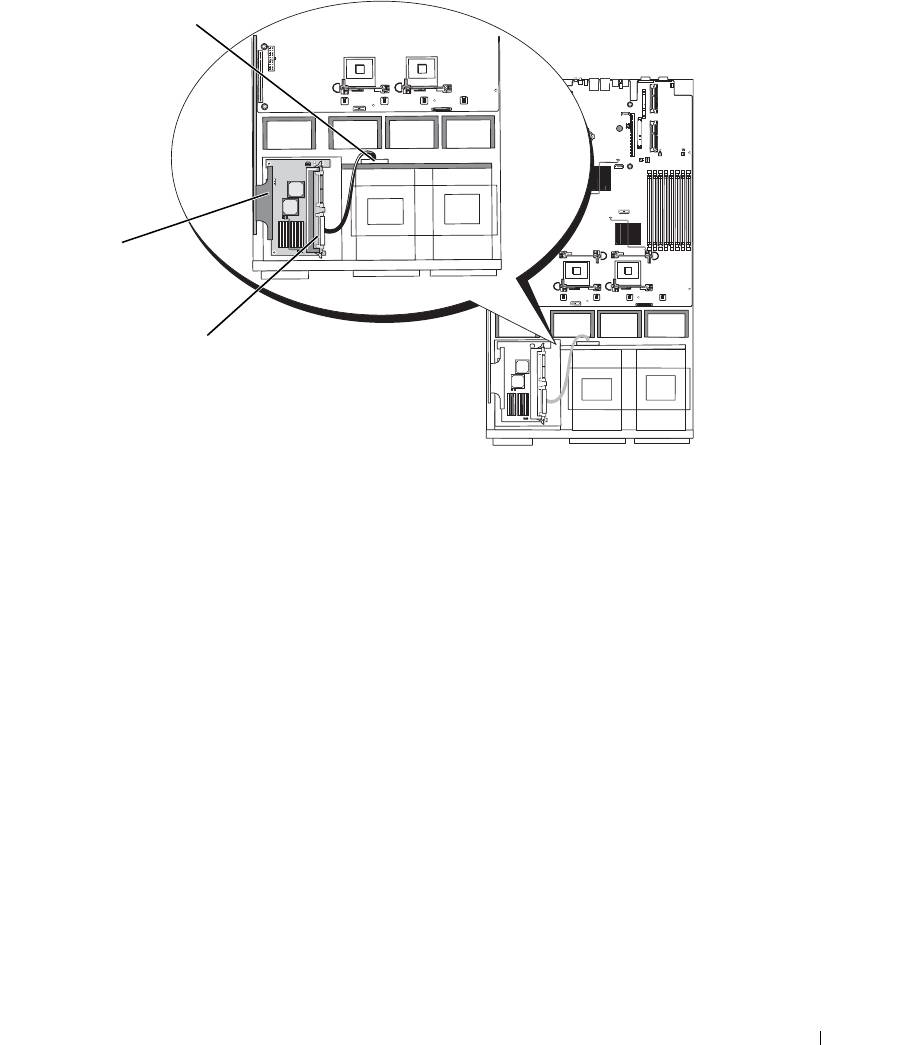
Figure 3-10. Cable Routing for the SAS RAID Controller Daughter Card
3
2
1
1 SAS RAID connector SAS 0 2 SAS RAID controller
3 SAS backplane connector
daughter card
SAS A
Installing System Components 59
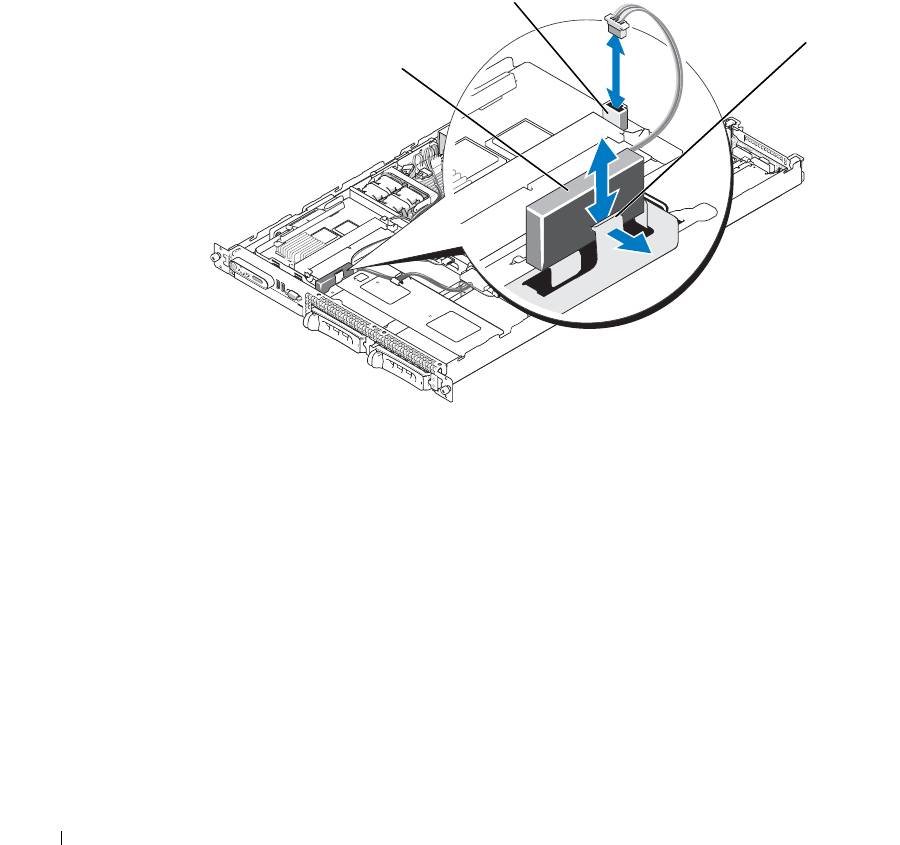
RAID Battery
Installing a RAID Battery
1
Locate the RAID battery pocket on the chassis that is adjacent to hard drive bay 0. See Figure 3-11.
2
Insert the battery in the battery pocket.
3
Connect the battery cable to the RAID controller daughter card. See Figure 3-11.
Figure 3-11. Installing a SAS RAID Battery
2
3
1
1 RAID battery 2 SAS RAID daughter card
3 release latch
battery connector
Removing a RAID Battery
1
Disconnect the RAID battery cable from the SAS RAID daughter card. See Figure 3-11.
2
Press the release latch toward the hard-drive bays and remove the battery from the battery pocket.
60 Installing System Components
Expansion Cards
The system is available with one of two optional PCI riser configurations.
PCIe Riser Board Expansion Slots
The PCIe riser configuration provides two PCI Express expansion slots with the following features:
• Two PCIe risers, installed in the left and center riser connectors.
• Two x8-lane PCIe expansion slots.
• Support for full height/half-length PCI cards in both slots.
PCI-X Riser Board Expansion Slots
The PCI-X riser configuration provides two PCI-X slots with the following features:
• Two PCI-X risers, installed in the left and center riser connectors.
• Two PCI-X 64-bit/133-MHz expansion slots (on separate buses).
• Support for full height/half-length PCI cards in both slots.
Expansion Card Installation Guidelines
NOTE: You cannot combine PCIe and PCI-X risers. Two risers must be installed or the system will not power up.
NOTE: The expansion-card slots are not hot-pluggable.
To identify expansion slots, see Figure 3-12. The two expansion card slots are on separate buses.
Installing an Expansion Card
CAUTION: Many repairs may only be done by a certified service technician. You should only perform
troubleshooting and simple repairs as authorized in your product documentation, or as directed by the online or
telephone service and support team. Damage due to servicing that is not authorized by Dell is not covered by your
warranty. Read and follow the safety instructions that came with the product.
1
Unpack the expansion card and prepare it for installation.
For instructions, see the documentation accompanying the card.
2
Turn off the system, including any attached peripherals, and disconnect the system from the electrical
outlet.
3
Open the system. See "Opening and Closing the System" on page 46.
4
If you are adding a new card, open the expansion-card latch and remove the filler bracket. See
Figure 3-12.
5
Install the expansion card:
a
Position the expansion card so that the card-edge connector aligns with the expansion-card connector
on the PCI riser board.
Installing System Components 61
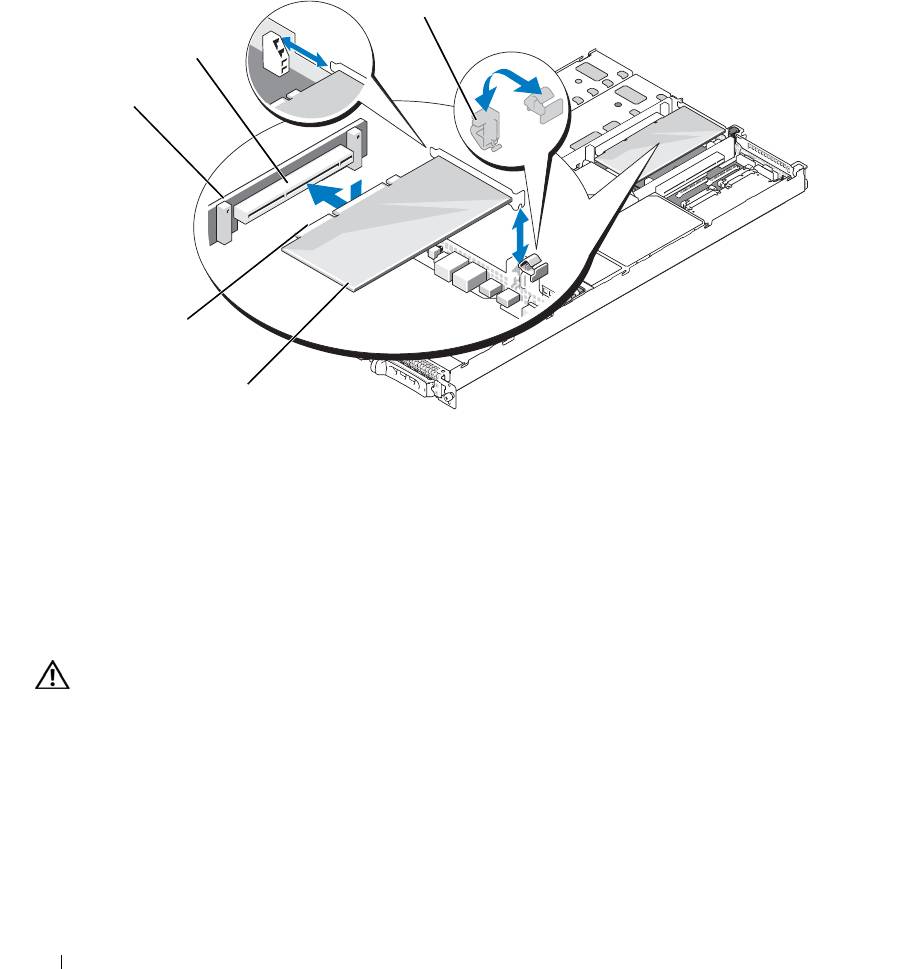
b
Insert the card-edge connector firmly into the expansion-card connector until the card is fully seated.
c
When the card is seated in the connector, close the expansion-card latch. See Figure 3-12.
Figure 3-12. Installing an Expansion Card
3
2
1
5
4
1 PCI riser 2 expansion-card connector 3 expansion-card latch
4 expansion card 5 card-edge connector
6
Connect any cables to the expansion card.
See the documentation that came with the card for information about its cable connections.
7
Close the system. See "Opening and Closing the System" on page 46.
Removing an Expansion Card
CAUTION: Many repairs may only be done by a certified service technician. You should only perform
troubleshooting and simple repairs as authorized in your product documentation, or as directed by the online or
telephone service and support team. Damage due to servicing that is not authorized by Dell is not covered by your
warranty. Read and follow the safety instructions that came with the product.
1
Turn off the system, including any attached peripherals, and disconnect the system from the electrical
outlet.
2
Open the system. See "Opening and Closing the System" on page 46.
3
Disconnect all cables from the card.
62 Installing System Components

4
Remove the expansion card:
a
Open the expansion-card latch. See Figure 3-12.
b
Grasp the expansion card by its edges, and carefully remove it from the expansion-card connector.
5
If you are removing the card permanently, install a metal filler bracket over the empty expansion slot
opening and close the expansion-card latch.
NOTE: You must install a filler bracket over an empty expansion slot to maintain Federal Communications
Commission (FCC) certification of the system. The brackets also keep dust and dirt out of the system and aid
in proper cooling and airflow inside the system.
6
Close the system. See "Opening and Closing the System" on page 46.
Configuring the Boot Device
If you plan to boot the system from a hard drive, the drive must be attached to the primary (or boot)
controller. The device that the system boots from is determined by the boot order specified in the System
Setup program.
The System Setup program provides options that the system uses to scan for installed boot devices. See
"Using the System Setup Program" on page 31 for information about the System Setup program.
Configuring the Boot Drive
The drive or device from which the system boots is determined by the boot order specified in the System Setup
program.
See "Using the System Setup Program" on page 31 for information about the System Setup
program
.
System Memory
You can upgrade your system memory to a maximum of 32 GB by installing 533-MHz or 667-MHz fully
buffered (FB) DDR II memory modules (DIMMs) in sets of 256-MB, 512-MB, 1-GB, 2-GB, or 4-GB modules.
The eight memory sockets are located on the system board under the memory cooling shroud.You can purchase
memory upgrade kits from Dell.
NOTICE: If you remove your original memory modules from the system during a memory upgrade, keep them
separate from any new memory modules that you may have, even if you purchased the new memory modules from
Dell. Use only 533-MHz or 667-MHz DDR II fully buffered DIMMS (FBDs).
The memory module sockets are divided into two equal branches (0 and 1). Each branch consists of two
channels:
• Channel 0 and channel 1 are in branch 0.
• Channel 2 and channel 3 are in branch 1.
Installing System Components 63

Each channel consists of two memory module sockets:
• Channel 0 contains DIMM_1, DIMM_5.
• Channel 1 contains DIMM _2, DIMM_6.
• Channel 2 contains DIMM_3, DIMM_7.
• Channel 3 contains DIMM _4, DIMM _8.
The first DIMM socket of each channel has white release tabs.
General Memory Module Installation Guidelines
To ensure optimal performance of your system, observe the following guidelines when configuring your
system memory.
• Use only qualified FBDs. FBDs can be either s
ingle-ranked
or d
ual-ranked
. FBDs m
arked with a 1R are
single
-r
anked and modules marked with a 2R are dual
-r
anked.
• A minimum of two identical FBDs must be installed.
• DIMM sockets must be populated by lowest number first.
• Memory modules m
ust be installed in pairs of matched memory size, speed, and technology
, and the
total number of memory modules in the configuration must total two, four, or eight. For best system
performance, all four, or eight memory modules should be identical in size, speed, and technology.
•Memory sp
aring and
memory m
irroring require
e
ight memory, and all memory modules must be of
identical memory size, speed, and technology.
• Memory sparing and memory mirroring cannot be implemented at the same time.
Non-Optimal Memory Configurations
System performance can be affected if your memory configuration does not conform to the preceding
installation guidelines. Your system may issue an error message during startup stating that your memory
configuration is non-optimal.
Memory Sparing Support
The system supports memory sparing if eight identical memory modules are installed in the system. The
memory sparing feature must be enabled in the System Setup program and can be used only if memory
mirroring is not enabled.(See "Using the System Setup Program" on page 31.)
Memory sparing allocates four ranks of DIMM memory to the spare bank. These four ranks consist of the
first rank of memory in DIMM sockets 1 through 4. For single-rank DIMMs, the entire capacity of the four
DIMMs is allocated to sparing whereas for dual-rank DIMMs, only half of the four-DIMM capacity is
allocated to sparing. Table 3-1 shows how memory sparing splits the available and spared memory in each
of the single- and dual-ranked memory module combinations.
64 Installing System Components
Table 3-1. Memory Sparing Configurations
DIMMs Size/Type Total Memory Available Spare
8 256-MB single-rank 2 GB 1 GB 1 GB
512-MB single-rank 4 GB 2 GB 2 GB
1-GB single-rank 8 GB 4 GB 4 GB
2-GB single-rank 16 GB 8 GB 8 GB
2-GB dual-rank 16 GB 12 GB 4 GB
4-GB dual-rank 32 GB 24 GB 8 GB
Memory Mirroring Support
The system supports memory mirroring if eight identical memory modules are installed in the system.
Mirroring must be enabled in the System Setup program and can be used only if memory sparing is not enabled.
(See "Using the System Setup Program" on page 31.) In a mirrored configuration, the total available system
memory is one-half of the total installed memory.
Installing Memory Modules
CAUTION: Many repairs may only be done by a certified service technician. You should only perform
troubleshooting and simple repairs as authorized in your product documentation, or as directed by the online or
telephone service and support team. Damage due to servicing that is not authorized by Dell is not covered by your
warranty. Read and follow the safety instructions that came with the product.
CAUTION: The memory modules are hot to the touch for some time after the system has been powered down.
Allow time for the memory modules to cool before handling them. Handle the memory modules by the card edges
and avoid touching the components on the memory module.
1
Open the system. See "Opening and Closing the System" on page 46.
2
Remove the memory cooling shroud. See "Removing the Memory Cooling Shroud" on page 52.
3
Locate the memory module sockets. See Figure 6-2.
4
Press the ejectors on the memory module socket down and out, as shown in Figure 3-13, to allow the
memory module to be inserted into the socket.
5
Handle each memory module only on either card edge, ensuring not to touch the middle of the memory
module.
Installing System Components 65
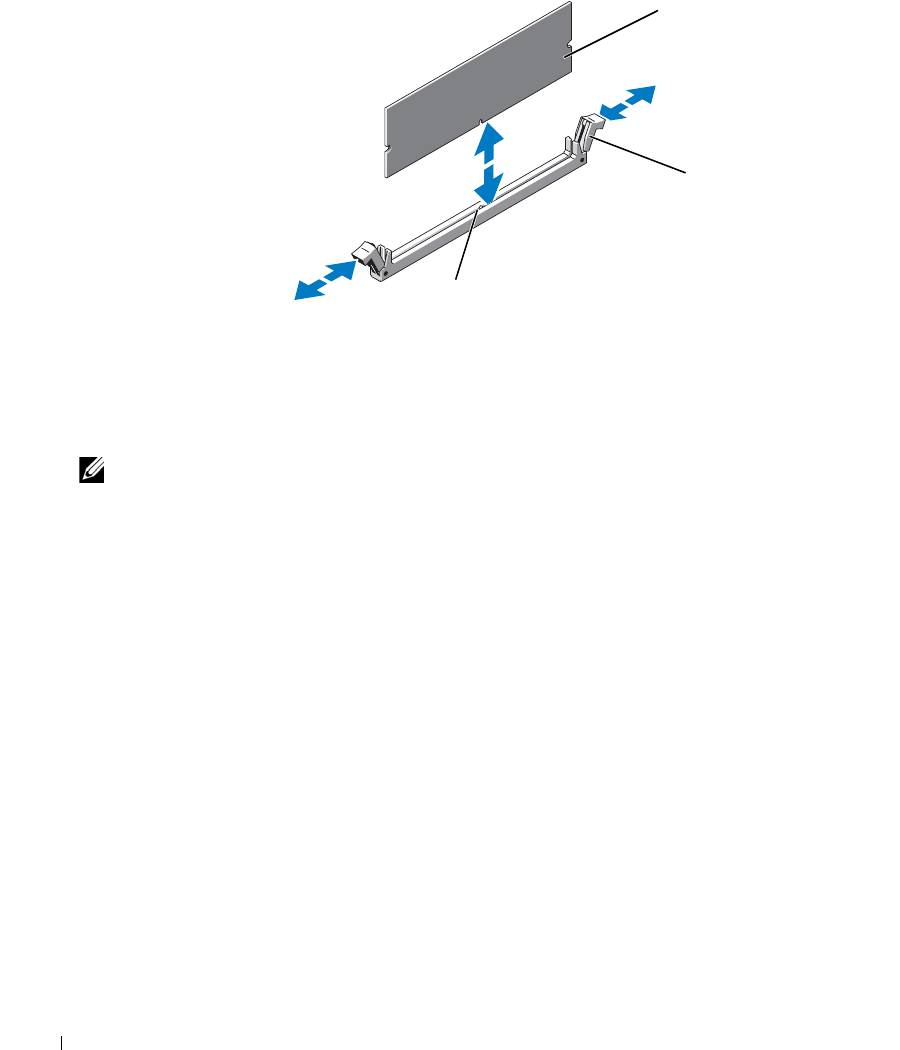
Figure 3-13. Installing and Removing a Memory Module
1
2
3
1 memory module 2 memory module socket
3 alignment key
ejectors (2)
6
Align the memory module's edge connector with the alignment key of the memory module socket, and
insert the memory module in the socket.
NOTE: The memory module socket has an alignment key that allows you to install the memory module in
the socket in only one way.
7
Press down on the memory module with your thumbs while pulling up on the ejectors with your index
fingers to lock the memory module into the socket.
When the memory module is properly seated in the socket, the ejectors on the memory module socket
align with the ejectors on the other sockets that have memory modules installed.
8
Repeat step 3 through step 7 of this procedure to install the remaining memory modules. See Table 3-1.
9
Replace the memory cooling shroud. See "Replacing the Memory Cooling Shroud" on page 53.
10
Close the system. See "Opening and Closing the System" on page 46.
11
Press <F2> to enter the System Setup program, and check the
System Memory
setting on the main
System Setup
screen.
The system should have already changed the value to reflect the newly installed memory.
12
If the value is incorrect, one or more of the memory modules may not be installed properly. Repeat step 1
through step 11 of this procedure, checking to ensure that the memory modules are firmly seated in their
sockets.
13
Run the system memory test in the system diagnostics. See "Running the System Diagnostics" on
page 111.
66 Installing System Components
Removing Memory Modules
CAUTION: Many repairs may only be done by a certified service technician. You should only perform
troubleshooting and simple repairs as authorized in your product documentation, or as directed by the online or
telephone service and support team. Damage due to servicing that is not authorized by Dell is not covered by your
warranty. Read and follow the safety instructions that came with the product.
CAUTION: The memory modules are hot to the touch for some time after the system has been powered down.
Allow time for the memory modules to cool before handling them. Handle the memory modules by the card edges
and avoid touching the components on the memory module.
1
Open the system. See "Opening and Closing the System" on page 46.
2
Remove the memory cooling shroud. See "Removing the Memory Cooling Shroud" on page 52.
3
Locate the memory module sockets. See Figure 6-2.
4
Press down and out on the ejectors on each end of the socket until the memory module pops out of the
socket. See Figure 3-13.
Handle each memory module only on either card edge, ensuring not to touch the middle of the memory
module.
5
Replace the memory cooling shroud. See "Replacing the Memory Cooling Shroud" on page 53.
6
Close the system. See "Opening and Closing the System" on page 46.
Activating the Integrated NIC TOE
To add TCP/IP Offload Engine (TOE) or iSCSI TOE functionality to the system's integrated NIC, install the
appropriate TOE or iSCSI TOE NIC hardware key in the TOE_KEY socket on the system board. S
ee
Figure 6-2.
Processors
You can upgrade your processor(s) to take advantage of future options in speed and functionality. Each
processor and its associated internal cache memory are contained in a land grid array (LGA) package that is
installed in a ZIF socket on the system board.
The following items are included in the processor upgrade kit:
• Processor
• Heat sink
Removing the Processor
CAUTION: Many repairs may only be done by a certified service technician. You should only perform
troubleshooting and simple repairs as authorized in your product documentation, or as directed by the online or
telephone service and support team. Damage due to servicing that is not authorized by Dell is not covered by your
warranty. Read and follow the safety instructions that came with the product.
1
Prior to upgrading your system, download the latest system BIOS version on
support.dell.com
.
Installing System Components 67
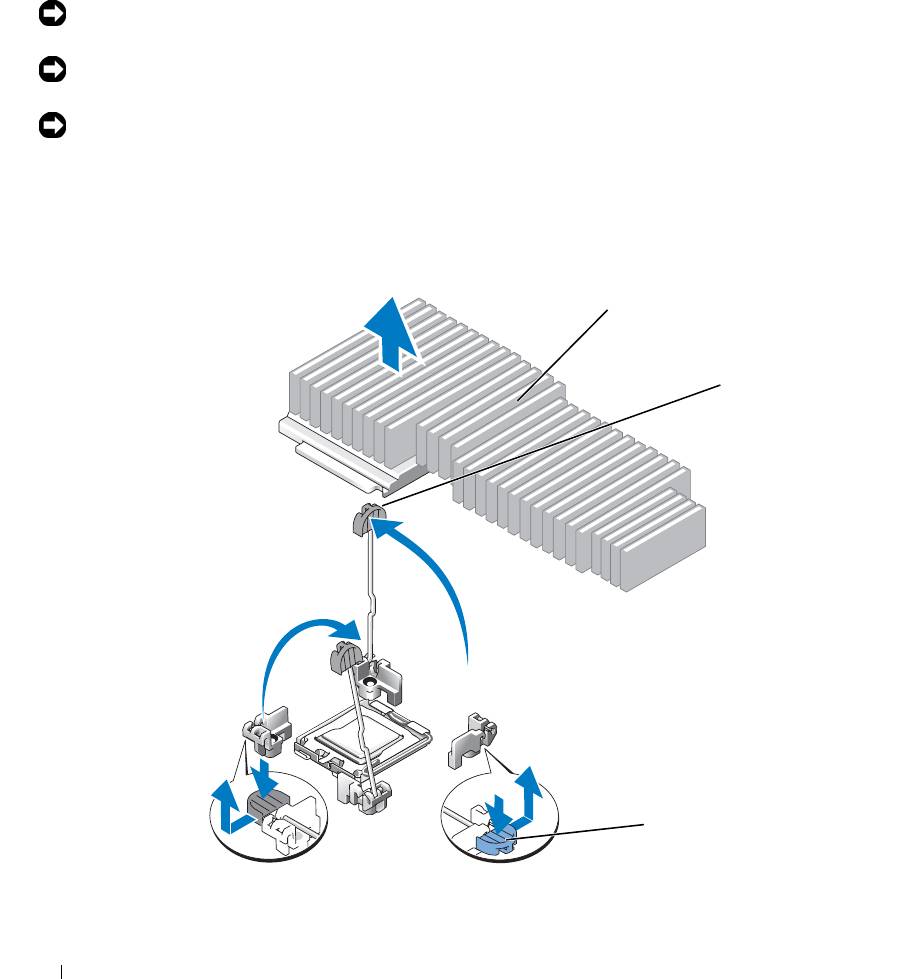
2
Turn off the system, including any attached peripherals, and disconnect the system from the electrical
outlet.
3
Open the system. See "Opening and Closing the System" on page 46.
4
Remove the memory cooling shroud. See "Removing the Memory Cooling Shroud" on page 52.
NOTICE: When you remove the heat sink, the possibility exists that the processor might adhere to the heat sink
and be removed from the socket. It is recommended that you remove the heat sink while the processor is warm.
NOTICE: Never remove the heat sink from a processor unless you intend to remove the processor. The heat sink
is necessary to maintain proper thermal conditions.
NOTICE: The processor and heat sink can become extremely hot. Be sure the processor has had sufficient time
to cool before handling.
5
Press the blue tab on the end of one of the heat-sink retention levers to disengage the lever, then lift the
lever 90 degrees. See Figure 3-14.
Figure 3-14. Installing and Removing the Heat Sink
1
2
3
1 heat sink 2 heat-sink retention lever (2) 3 retention lever latch
68 Installing System Components
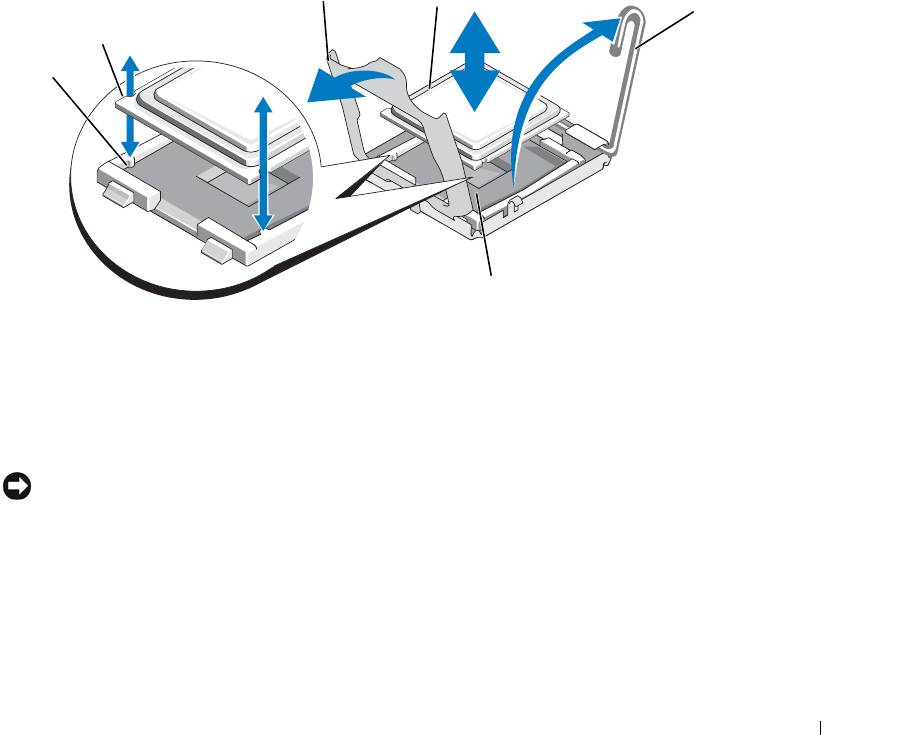
6
Wait 30 seconds for the heat sink to loosen from the processor.
7
Open the other heat sink retention lever.
8
If the heat sink has not separated from the processor, carefully rotate the heat sink in a clockwise, then
counterclockwise, direction until it releases from the processor. Do not pry the heat sink from the
processor.
9
Lift the heat sink off of the processor and set the heat sink upside down so as not to contaminate the
thermal grease.
10
Pull the socket-release lever 90 degrees upward until the processor is released from the socket. See
Figure 3-15.
11
Rotate the processor shield upward and out of the way.
Figure 3-15. Installing and Removing the Processor
3
4
5
2
1
6
1 socket key (2) 2 notch in processor 3 processor shield
4 processor 5 socket-release lever 6 ZIF socket
12
Lift the processor shield to release the processor, and then lift the processor out of the socket. Leave the
release lever up so that the socket is ready for the new processor.
NOTICE: Be careful not to bend any of the pins on the LGA socket when removing the processor. Bending the
pins can permanently damage the socket and system board.
Installing System Components 69

Installing a Processor
1
Unpack the new processor.
2 Align the
p
rocessor with the
socket keys on t
he ZIF socket
. See Figure 3-15.
3
I
nstall the processor in the socket.
NOTICE: Positioning the processor incorrectly can permanently damage the system board or the processor when
you turn the system on.
a If the release lever on the processor socket is not positioned all the way up, move it to that position.
b With the
p
rocessor and
the
socket
keys
aligned, set the processor lightly in the socket.
NOTICE: Do not use force to seat the processor. When the processor is positioned correctly, it engages easily
into the socket.
c
W
hen the processor is fully seated in the socket, rotate the socket release lever back down until it
snaps into place, securing the processor.
See Figure 3-15.
d
Close the processor shield. See Figure 3-15.
4
Install the heat sink.
NOTE: If you did not receive a replacement heat sink, use the heat sink that you removed in step 9.
a
If you receive a heat sink and pre-applied thermal grease with your processor kit, remove the
protective sheet from the thermal grease layer on top of the heat sink.
If you did not receive a replacement heat sink with your processor kit, do the following:
• Using a clean lint-free cloth, remove the existing thermal grease from the heat sink you removed
in step 9.
• Open the grease packet included with your processor kit and apply thermal grease evenly to the
top of the processor.
b Place the heat sink onto the processor. See
Figure 3-14
.
c Close one of the two heat sink retention levers until it locks. See
Figure 3-14
.
d
Repeat for the other heat sink retention lever.
5
Close the system. See "Closing the System" on page 47.
As the system boots, it detects the presence of the new processor and automatically changes the system
configuration information in the System Setup program.
6
Press <F2> to enter the System Setup program, and check that the processor information
matches the new
system configuration.
See "Using the System Setup Program" on page 31 for instructions about using the System Setup program.
7
Run the system diagnostics to verify that the new processor operates correctly.
See "Running the System Diagnostics" on page 111 for information about running the diagnostics.
70 Installing System Components
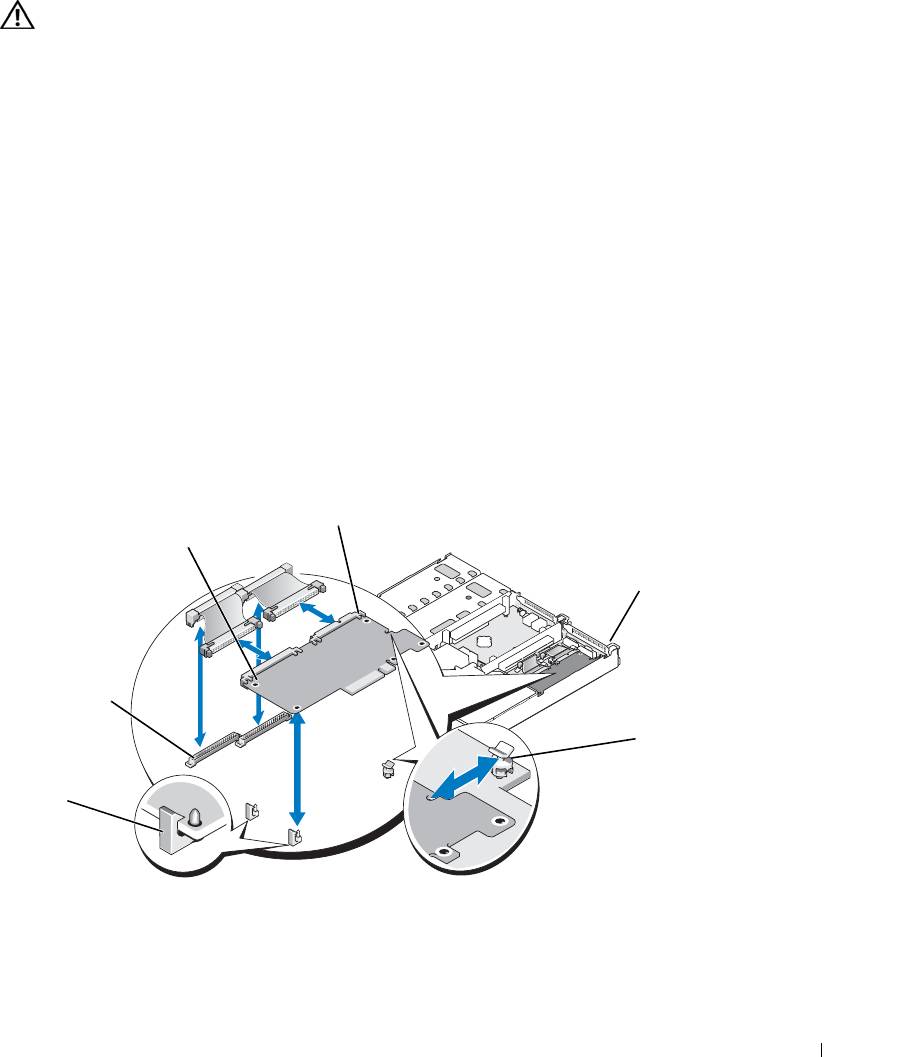
RAC Card
CAUTION: Many repairs may only be done by a certified service technician. You should only perform
troubleshooting and simple repairs as authorized in your product documentation, or as directed by the online or
telephone service and support team. Damage due to servicing that is not authorized by Dell is not covered by your
warranty. Read and follow the safety instructions that came with the product.
The optional Remote Access Controller (RAC) provides a set of advanced features for managing the server
remotely. The following procedure describes the steps for installing or removing the optional RAC card.
Installing a RAC Card
1
Turn off the system, including any attached peripherals, and then disconnect the system from the electrical
outlet.
2
Open the system. See "Opening the System" on page 46
3
If applicable, remove the plastic filler plug from the system back panel. See Figure 3-16.
4
Remove any PCI cards attached to the center riser. See "Removing an Expansion Card" on page 62.
5
Remove the center riser card from the system board. See "Expansion-Card Riser" on page 82.
6
Angle the RAC card so that its NIC connector inserts through the back-panel RAC card opening, aligning
the card with the back standoff.
Figure 3-16. Installing and Removing a RAC Card
2
1
3
6
4
5
1 RAC card 2 RAC-card connectors (2) 3 filler plug location
4 back standoff 5 front standoffs (2) 6 RAC-card cable connectors
Installing System Components 71

7
Align the front edge of the RAC card with the front plastic retention standoffs, and then press down on the
front of the card until it is fully seated. See Figure 3-16.
When the front of the card is fully seated, the front plastic standoffs snap over the front edge of the card.
8
Connect the two small cables (44-pin cable and 50-pin cable), ensuring that connector labeled "Planar" is
attached to the appropriate system board connector and the connector labeled "DRAC" is attached to the
appropriate RAC card connector.
9
Replace the center riser card. See "Expansion-Card Riser" on page 82.
10
Replace any PCI cards that were removed from the center riser. See "Installing an Expansion Card" on
page 61.
11
Close the system. See "Closing the System" on page 47.
12
Reconnect the system and peripherals to their power sources, and then turn them on.
See the RAC card documentation for information on configuring and using the RAC card.
Removing the RAC Card and Cables
1
Turn off the system, including any attached peripherals, and then disconnect the system from the electrical
outlet.
2
Open the system. See "Opening the System" on page 46.
3
Remove any PCI cards attached to the center riser. See "Removing an Expansion Card" on page 62.
4
Remove the center riser card from the system board. See "Expansion-Card Riser" on page 82.
5
Remove the RAC card cables from the system board connectors by pressing the metal tabs inward and
then pulling up.
6
Remove the RAC card cables from the RAC connectors by pressing the metal tabs inward and then
pulling up.
7
Remove the RAC card by pressing outwardly on the front standoffs, and then lifting the RAC card up and
out of the system.
8
Replace the center riser card. See "Expansion-Card Riser" on page 82.
9
Replace any PCI cards that were removed from the center riser. See "Installing an Expansion Card" on
page 61.
10
Close the system. See "Closing the System" on page 47.
11
Reconnect the system and peripherals to their power sources, and then turn them on.
72 Installing System Components
Optical Drive
The optional slimline optical drive is mounted on a tray that slides into the front panel and connects to the
controllers on the system board through the sideplane board.
NOTE: DVD devices are data only.
Removing the Optical Drive Tray
CAUTION: Many repairs may only be done by a certified service technician. You should only perform
troubleshooting and simple repairs as authorized in your product documentation, or as directed by the online or
telephone service and support team. Damage due to servicing that is not authorized by Dell is not covered by your
warranty. Read and follow the safety instructions that came with the product.
1
Turn off the system, including any attached peripherals, and then disconnect the system from its electrical
outlet.
2
Remove the bezel. See "Removing and Replacing the Front Bezel" on page 45.
3
Open the system. See "Opening and Closing the System" on page 46.
4
Remove the SAS controller daughter card. See "Removing a SAS Controller Daughter Card" on page 56.
5
Disconnect the optical-drive cable from the back of the drive. See Figure 3-17.
6
To remove the optical drive, press forward on the blue tray release tab, and then slide the drive tray out of
the system. See Figure 3-17.
Installing System Components 73
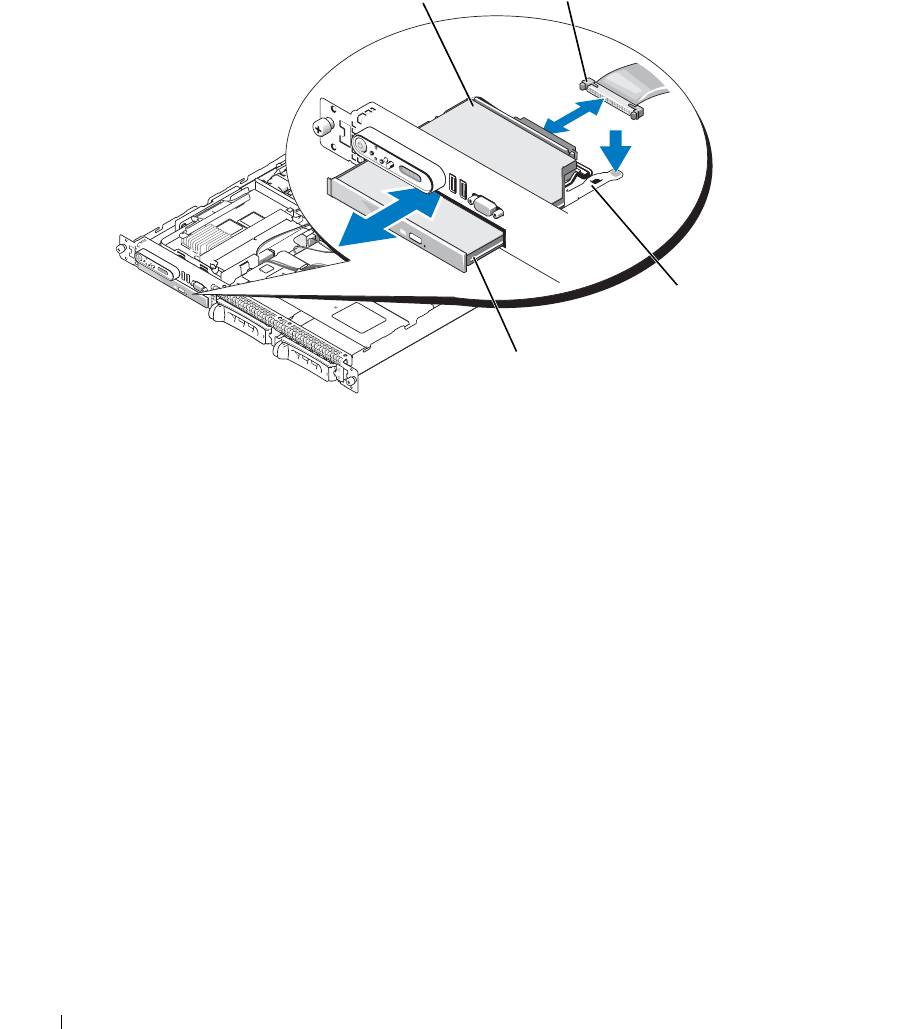
Figure 3-17. Removing and Installing the Optical Drive Tray
1
2
3
4
1 optical -drive tray 2 optical-drive cable 3 optical-drive release tab
4 optical drive
Installing the Optical Drive Tray
1
Align the optical drive tray with its opening in the front panel.
The optical drive opening is located directly below the SAS daughter card bay.
2
Slide in the drive tray until the tray snaps into place. See Figure 3-17.
3
Connect the optical-drive cable from the back of the drive. See Figure 3-17.
4
Replace the SAS controller daughter card.See "Installing a SAS Controller Daughter Card or SAS RAID
Controller Daughter Card" on page 56.
5
Close the system. See "Opening and Closing the System" on page 46.
6
Replace the bezel. See "Removing and Replacing the Front Bezel" on page 45.
7
Reconnect your system and peripherals to their electrical outlets, and turn on the system.
74 Installing System Components
Hard Drives
This subsection describes how to install and configure SAS or SATA hard drives in the system's internal
hard-drive bays.
Your system features the option of two 3.5-inch (SAS/SATA) internal hard-drive bays or four
2.5-inch (SAS only) internal hard-drive bays that accommodate up to either two or four hard drives. All drives
connect to the system board through one of two optional backplane boards.
NOTE: Depending on the hard drive configuration you ordered, your hard drive(s) may come with a drive
interposer that allows your SATA drive to attach to the SAS connector on the backplane.
Before You Begin
Hard drives are supplied in special hot-pluggable drive carriers that fit in the hard-drive bays. Depending on
your configuration, you received one of the following two drive carrier types:
• SATA drive carrier — Usable only with a SATA hard drive.
• SATAu drive carrier — Usable with either a SAS hard drive or a SATA hard drive with a universal
interposer card. The interposer card provides enhanced functionality that makes the SATA hard drive
usable in some storage systems.
NOTICE: Before you attempt to remove or install a drive while the system is running, see the documentation for
the optional SAS RAID daughter card to ensure that the host adapter is configured correctly to support hot-
pluggable drive removal and insertion.
NOTE: It is recommended that you use only drives that have been tested and approved for use with the SAS
backplane board.
You may need to use different programs than those provided with the operating system to partition and format
SAS or SATA hard drives.
NOTICE: Do not turn off or reboot your system while the drive is being formatted. Doing so can cause a drive
failure.
When you format a high-capacity hard drive, allow enough time for the formatting to be completed. Long
format times for these drives are normal. A 9-GB hard drive, for example, can take up to 2.5 hours to format.
Removing a Drive Blank
NOTICE: To maintain proper system cooling, all empty hard-drive bays must have drive blanks installed. If you
remove a hard-drive carrier from the system and do not reinstall it, you must replace the carrier with a drive blank.
The process for removing a drive blank depends on whether your system is configured with 3.5-inch or 2.5-
inch hard drives.
For 3.5-inch hard drive configurations:
1
Remove the front bezel, if attached. See "Removing and Replacing the Front Bezel" on page 45.
2
Insert your finger under the shrouded end of the blank and press in on the latch to eject the blank outward
from the bay.
3
Pry the ends of the blank outward until the blank is free.
Installing System Components 75

For 2.5-inch hard drive configurations, remove the blank as you would the 2.5-inch hard drive carrier:
1 Remove the front bezel, if attached. See
"Replacing the System Battery" on page 86
.
2 Open the drive blank release handle to release the blank. See
Figure 3-18
.
3
Slide the drive blank out until it is free of the drive bay.
Installing a Drive Blank
The process for installing a drive blank depends on whether your system is configured with 3.5-inch or 2.5-
inch hard drives.
For 3.5-inch hard drive configurations, the drive blank is keyed to ensure correct insertion into the drive bay.
To install a 3.5-inch drive blank, insert the blank into the drive bay rotating in with the key side first, and
press evenly on the ends of the blank until it is fully inserted and latched.
For 2.5-inch hard drive configurations, install the hard drive blank as a 2.5-inch hard drive carrier:
1 Remove the front bezel, if attached. See
"Removing and Replacing the Front Bezel" on page 45
.
2
Open the handle on the hard-drive blank.
3
Insert the hard-drive blank into the drive bay until it is fully seated.
4
Close the handle to lock the blank in place.
5 Replace the front bezel, if it was removed in
step 1.
Installing a Hot-Plug Hard Drive
NOTICE: When installing a hard drive, ensure that the adjacent drives are fully installed. Inserting a hard-drive
carrier and attempting to lock its handle next to a partially installed carrier can damage the partially installed
carrier's shield spring and make it unusable.
NOTICE: Not all operating systems support hot-plug drive installation. See the documentation supplied with
your operating system.
1
Remove the front bezel if attached. See "Removing and Replacing the Front Bezel" on page 45.
2
If a drive blank is present in the bay, remove it. See "Removing a Drive Blank" on page 75.
76 Installing System Components
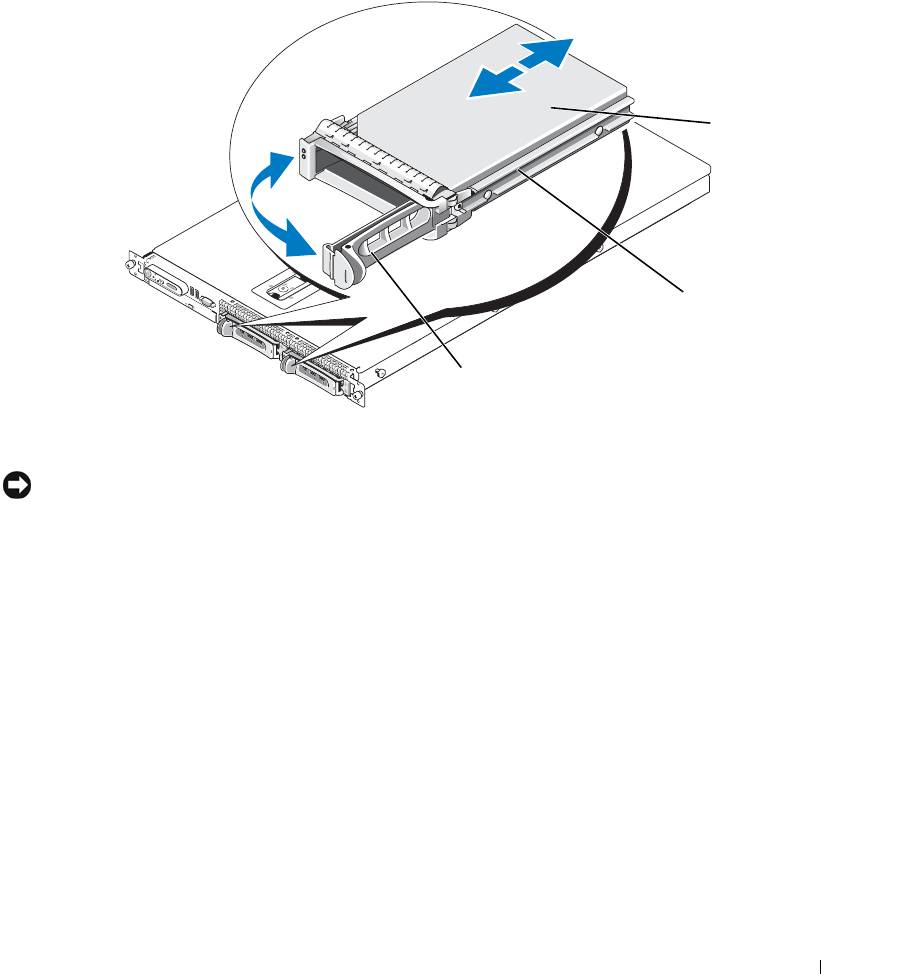
3
Install the hot-plug hard drive.
a
Open the hard-drive carrier handle. See Figure 3-18.
Figure 3-18. Installing a Hot-Plug Hard-Drive
3
2
1
1 drive carrier release handle 2 drive carrier 3 hard drive
NOTICE: Do not insert a hard-drive carrier and attempt to lock its handle next to a partially installed carrier.
Doing so can damage the partially installed carrier's shield spring and make it unusable. Ensure that the adjacent
drive carrier is fully installed.
b
Insert the hard-drive carrier into the drive bay until the carrier contacts the backplane. See
Figure 3-18.
c
Close the hard-drive carrier handle to lock it in place.
4
Replace the front bezel if it was removed in step 1. See "Removing and Replacing the Front Bezel" on
page 45.
Installing System Components 77

Replacing a Hard-Drive Carrier
Removing a Hard Drive From a Hard-Drive Carrier
1
If you are removing a SATA hard drive from a SATAu drive carrier, remove the interposer card:
a
Viewing the hard drive carrier from the rear, locate the release lever on the left end of the interposer
card.
b
Push the lever away from the carrier rail to release the left end of the card.
c
Rotate the left end away from the hard drive to release the connector.
d
Pull the right end of the interposer card clear of the slots in the carrier rail.
2
Remove the four screws from the slide rails on the hard-drive carrier and separate the hard drive from the
carrier.
Installing a SAS Hard Drive Into a SATAu Drive Carrier
NOTE: SAS hard drives must be installed only in SATAu drive carriers. The SATAu drive carrier is labeled
"SATAu" and also has marks indicating the SAS and SATA mounting screws.
1 Insert the SAS hard drive into the hard-drive carrier with the connector end of the drive at the rear. See
Figure 3-19
.
2 Viewing the assembly as shown in
Figure 3-19, a
lign the bottom rear screw hole on the hard drive with
the hole labeled "SAS" on the hard drive carrier.
When aligned correctly, the rear of the hard drive will be flush with the rear of the hard-drive carrier.
3 Attach the four screws to secure the hard drive to the hard-drive carrier. See
Figure 3-19
.
78 Installing System Components
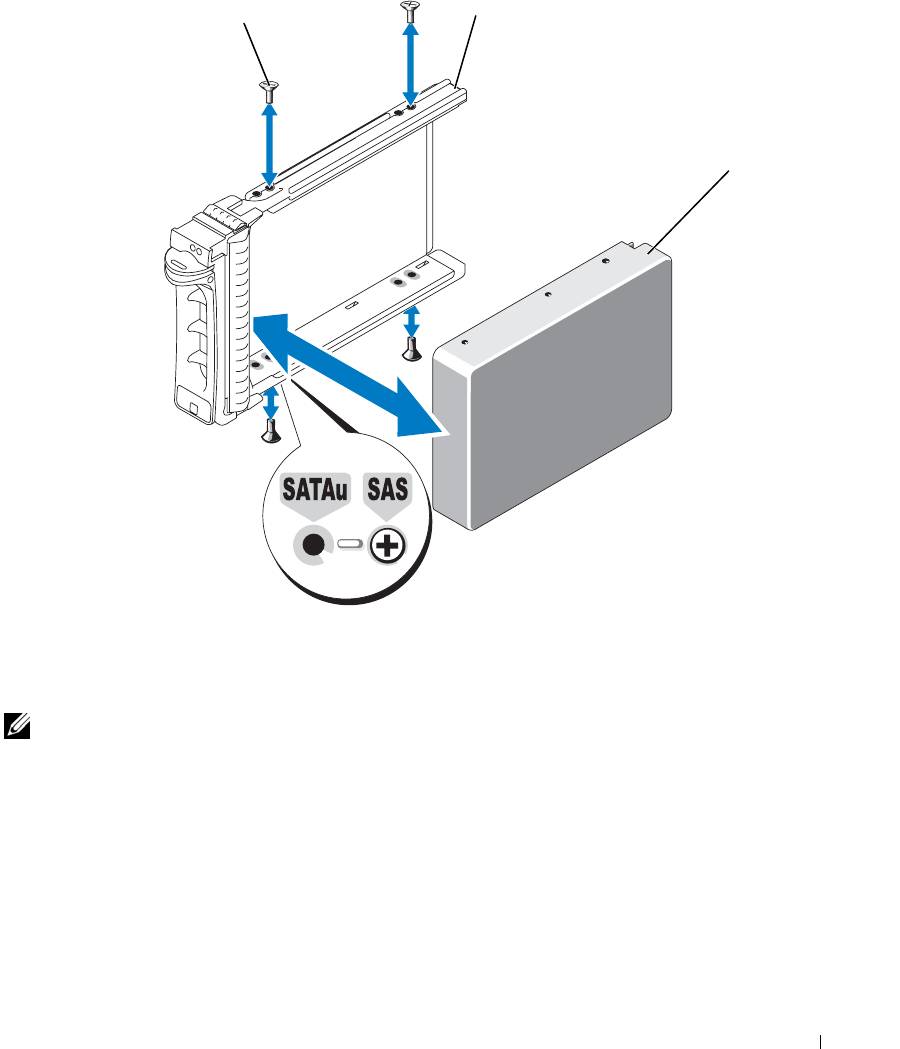
Figure 3-19. Installing a SAS Hard Drive Into a Drive Carrier
2
1
3
1 screws (4) 2 SATAu drive carrier 3 SAS hard drive
Installing a SATA Hard Drive Into a SATA Drive Carrier
NOTE: SATA hard drives that connect directly to the SAS backplane must be installed in SATA drive carriers
(labeled "SATA"). Only SATA hard drives with interposer cards can be installed in SATAu drive carriers.
1 Insert the SATA hard drive into the hard-drive carrier with the connector end of the drive at the rear.
See
Figure 3-20
.
2 Align the screw holes on the hard drive with the holes on the hard-drive carrier. See
Figure 3-20
.
3 Attach the four screws to secure the hard drive to the hard-drive carrier. See
Figure 3-20
.
Installing System Components 79
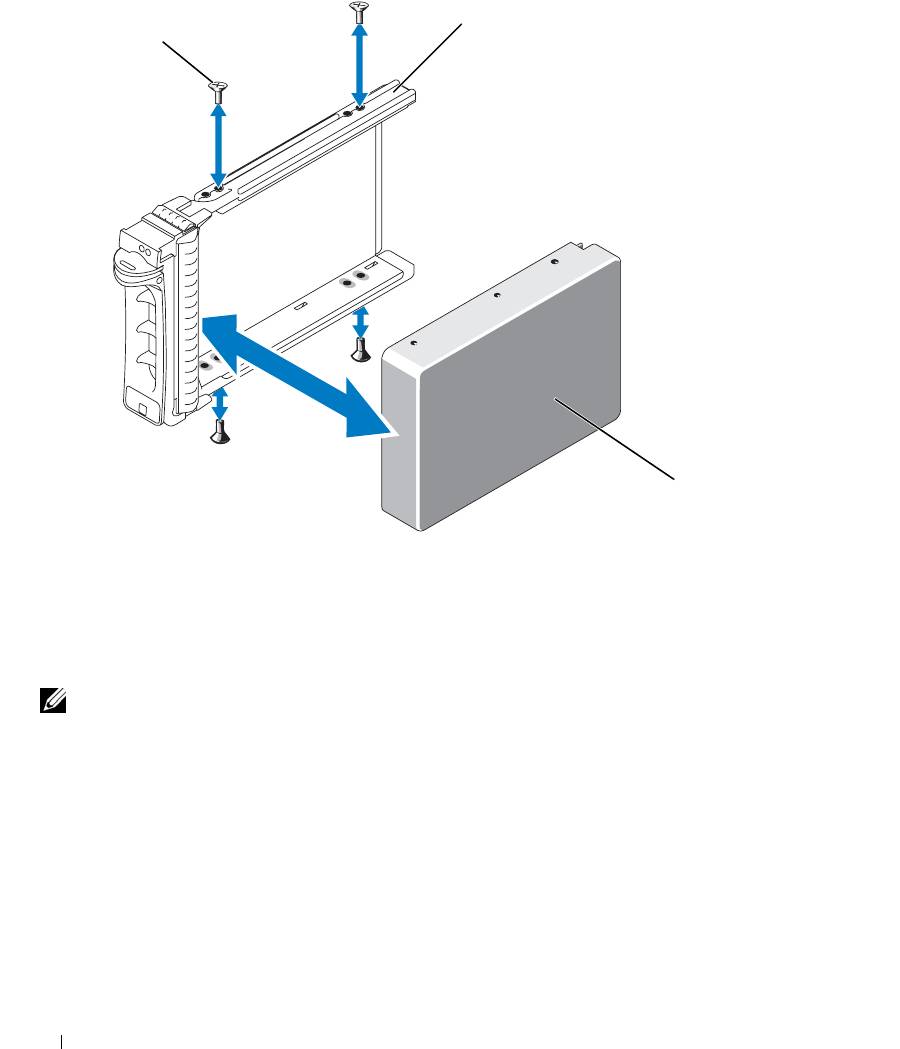
Figure 3-20. Installing a SATA Hard Drive Into a SATA Drive Carrier
2
1
3
1 screws (4) 2 SATA drive carrier 3 SATA hard drive
Installing a SATA Hard Drive and Interposer Card Into a SATAu Hard-Drive Carrier
NOTE: When you install a SATA hard drive into a SATAu drive carrier, you must install an interposer card onto
the back of the hard drive. The SATAu drive carrier is labeled "SATAu" and also has marks indicating the SAS and
SATA mounting screws.
1 Insert the SATA hard drive into the SATAu hard-drive carrier with the connector end of the drive at the
rear. See
Figure 3-21
.
2 Viewing the assembly as shown in
Figure 3-21, a
lign the bottom rear screw hole on the hard drive with
the hole labeled "SATAu" on the hard drive carrier.
When aligned correctly, the rear of the interposer will be flush with the rear of the hard-drive carrier.
3 Attach the four screws to secure the hard drive to the hard-drive carrier. See
Figure 3-21.
80 Installing System Components
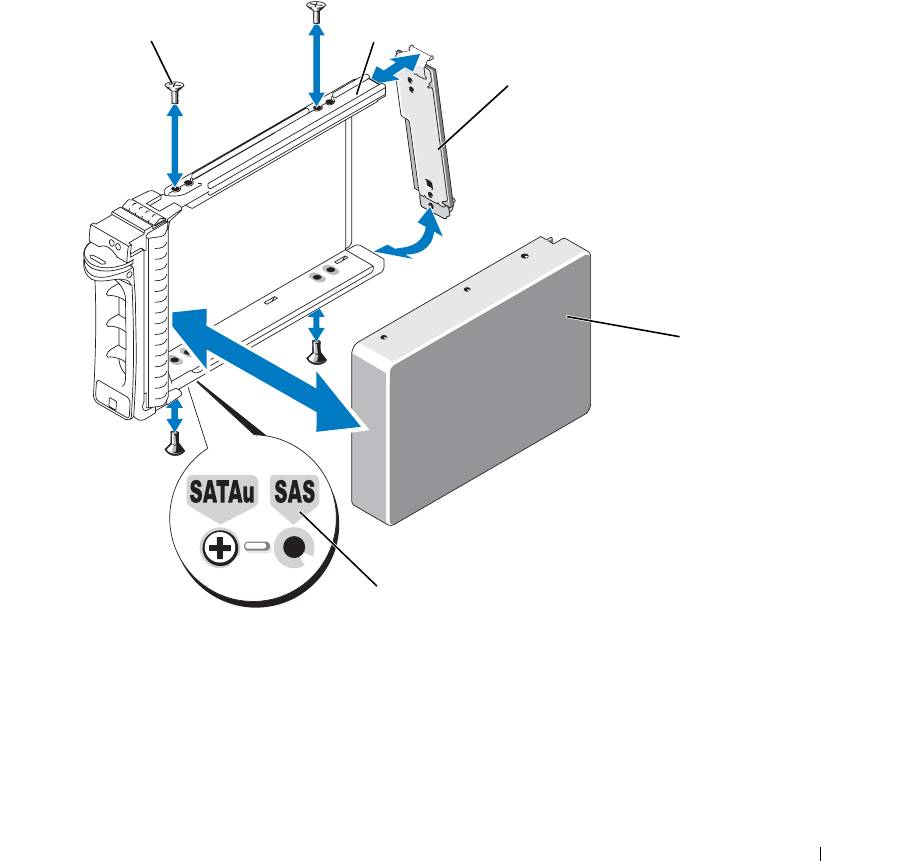
4
Attach the interposer card to the rear of the SATA hard drive:
a
Angle the top of the interposer card into the inside top carrier rail so that the tabs on the interposer
card bracket attach to the slots on the inside of the carrier rail.
See
Figure 3-21.
b
Rotate the bottom end of the card toward the hard drive to seat the connector.
See
Figure 3-21.
c
Push the bottom end of the card towards the hard drive until the latch on the card bracket clicks into
place.
Figure 3-21. Installing a SATA Hard Drive and Interposer Card Into a SATAu Drive Carrier
1
2
3
4
5
1 screws (4) 2 SATAu drive carrier 3 interposer card (SATA only)
4 SATA hard-drive 5 hole labels
Installing System Components 81
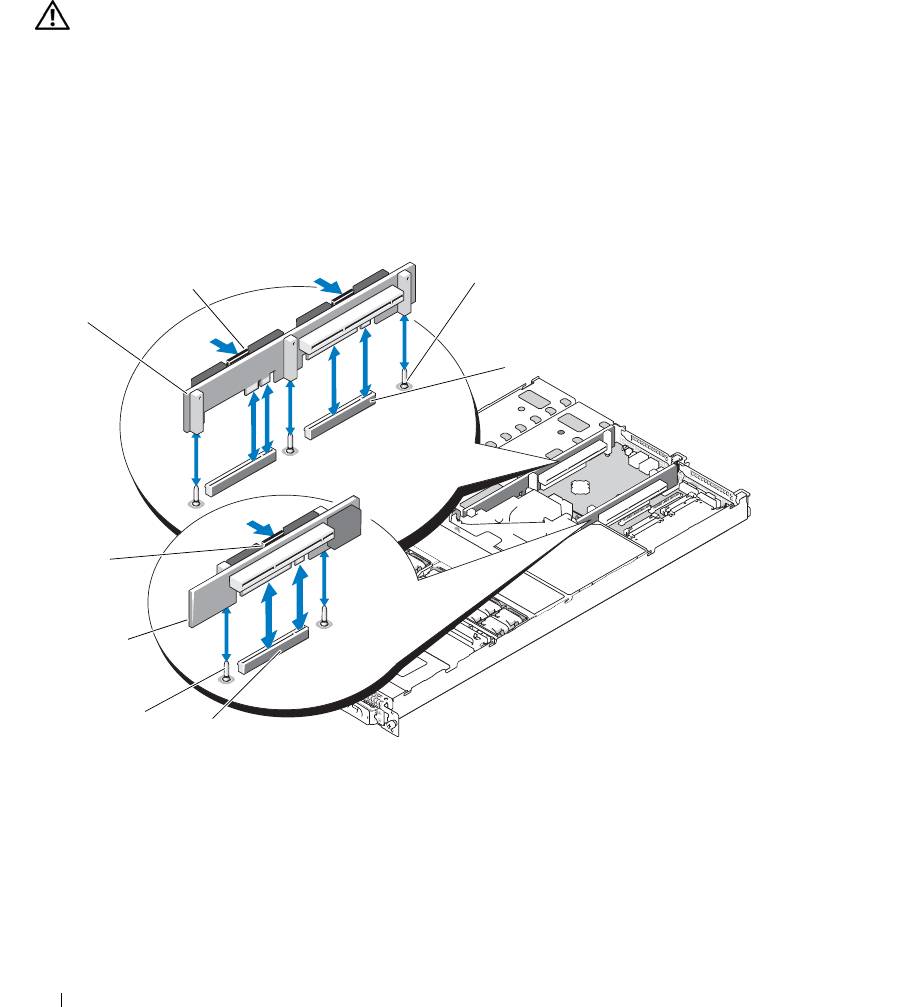
Expansion-Card Riser
Removing an Expansion-Card Riser
CAUTION: Many repairs may only be done by a certified service technician. You should only perform
troubleshooting and simple repairs as authorized in your product documentation, or as directed by the online or
telephone service and support team. Damage due to servicing that is not authorized by Dell is not covered by your
warranty. Read and follow the safety instructions that came with the product.
1
If applicable, remove the bezel. See "Removing and Replacing the Front Bezel" on page 45.
2
Turn off the system and attached peripherals, and disconnect the system from the electrical outlet.
3
Open the system. See "Opening and Closing the System" on page 46.
Figure 3-22. Expansion-Card Riser Removal
3
2
1
4
8
7
6
5
1 left riser board 2 left riser board release
3 left riser board alignment
latches (2)
pins (2)
4 left riser board connectors (2) 5 center riser board connector 6 center riser board alignment
pins (2)
7 center riser board 8 center riser board release latch
82 Installing System Components
4
If applicable, remove the expansion card from the riser.
5
Press the release latch(es) on the riser board and lift the riser board straight up from the system board. See
Figure 3-22.
The left riser board has two release latches; the center riser board has one latch.
Installing an Expansion-Card Riser
CAUTION: Many repairs may only be done by a certified service technician. You should only perform
troubleshooting and simple repairs as authorized in your product documentation, or as directed by the online or
telephone service and support team. Damage due to servicing that is not authorized by Dell is not covered by your
warranty. Read and follow the safety instructions that came with the product.
1
Align the riser board with the alignment pins on the system board, then lower the board onto the pins.
2
Press down on the riser board until the edge connector(s) on the board is (are) fully seated in the riser
board connector on the system board. See Figure 3-22.
3
If applicable, install the expansion card in the expansion-card slot.
4
Close the system. See "Opening and Closing the System" on page 46.
5
Replace the bezel. See "Removing and Replacing the Front Bezel" on page 45.
6
Reconnect your system and peripherals to their electrical outlets, and turn on the system.
Backplane Board
Removing the Backplane Board
CAUTION: Many repairs may only be done by a certified service technician. You should only perform
troubleshooting and simple repairs as authorized in your product documentation, or as directed by the online or
telephone service and support team. Damage due to servicing that is not authorized by Dell is not covered by your
warranty. Read and follow the safety instructions that came with the product.
The removal procedure varies slightly, depending on which backplane board you have in your system.
1
If applicable, remove the bezel. See "Removing and Replacing the Front Bezel" on page 45.
2
Turn off the system and attached peripherals, and disconnect the system from the electrical outlet.
3
Open the system. See "Opening and Closing the System" on page 46.
4
Remove the hard drives.
NOTICE: To properly reinstall the hard drives, ensure that you record which hard drive you remove from
which bay.
5
Disconnect the SAS cable and power cable from the backplane.
– If you are removing a 3.5-inch hard drive (two-drive) backplane, see Figure 3-23.
– If you are removing a 2.5-inch hard drive (four-drive) backplane, see Figure 6-4.
Installing System Components 83
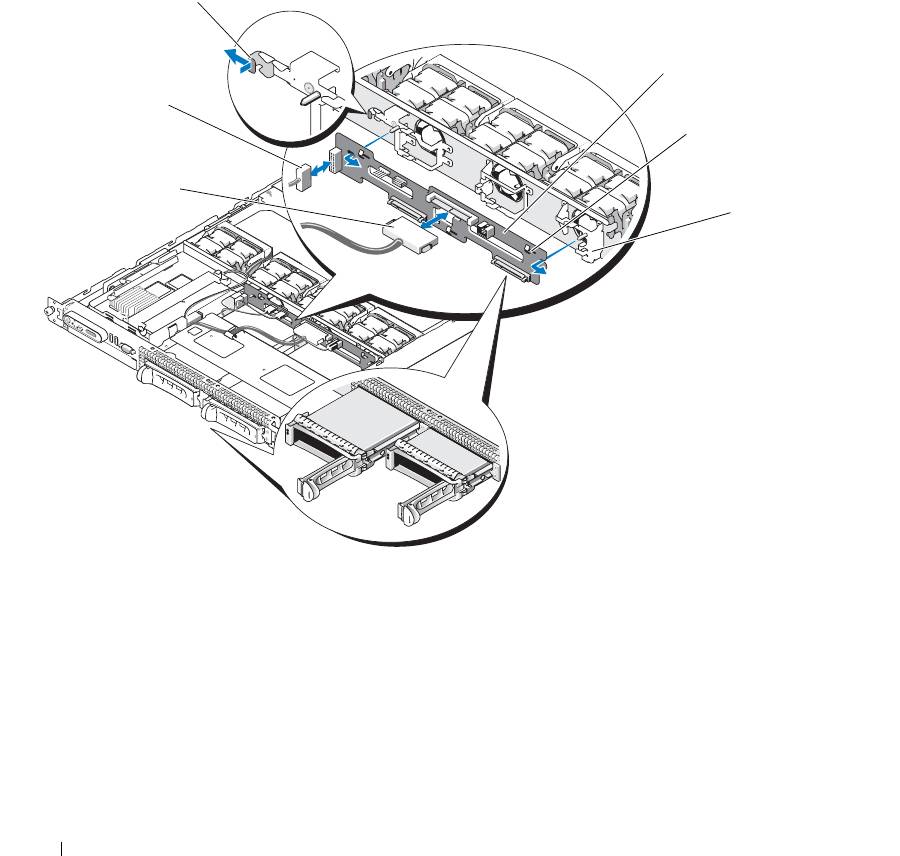
6
Remove the backplane board:
– If you are removing a 3.5-inch hard drive (two-drive) backplane, press the release latch at the left end
of the board, slide the board to its right, and lift the backplane off of the securing tabs. See
Figure 3-23.
– If you are removing a 2.5-inch hard drive (four-drive) backplane, press the release latch at each end of
the backplane and lift the backplane off of the securing tabs. See Figure 6-4.
Figure 3-23. 2.5-Inch Hard Drive Backplane Board Removal and Installation
1
2
6
3
5
4
1 backplane board release latch 2 backplane board 3 securing slots
4 securing tabs 5 SAS interface cable 6 power cable
84 Installing System Components
Installing the Backplane Board
CAUTION: Many repairs may only be done by a certified service technician. You should only perform
troubleshooting and simple repairs as authorized in your product documentation, or as directed by the online or
telephone service and support team. Damage due to servicing that is not authorized by Dell is not covered by your
warranty. Read and follow the safety instructions that came with the product.
1
Replace the backplane board:
– If you are installing a 3.5-inch hard drive (two-drive) backplane, fit the board onto the securing tabs,
press the release latch at the left end of the board and slide the board to its left. See Figure 3-23.
– If you are installing a 2.5-inch hard drive (four-drive) backplane, fit the board onto the securing tabs
on the back of the drive cage and slide the board downwards until the release latch at each end of the
backplane clicks into place. See Figure 6-4.
2
Connect the SAS cable and power cable to the backplane connectors.
3
Reinstall the hard drives.
NOTE: Reinstall the hard drives in the same drive bays from which they were removed.
4
Close the system.
5
If applicable, replace the bezel.
Sideplane Board
Removing the Sideplane Board
CAUTION: Many repairs may only be done by a certified service technician. You should only perform
troubleshooting and simple repairs as authorized in your product documentation, or as directed by the online or
telephone service and support team. Damage due to servicing that is not authorized by Dell is not covered by your
warranty. Read and follow the safety instructions that came with the product.
1
If applicable, remove the bezel. See "Removing and Replacing the Front Bezel" on page 45.
2
Turn off the system and attached peripherals, and disconnect the system from the electrical outlet.
3
Open the system. See "Opening and Closing the System" on page 46.
4
Remove the SAS controller daughter card. See "Removing a SAS Controller Daughter Card" on page 56.
5
Disconnect the control panel cable and optical drive cable (if applicable) from the sideplane. See
Figure 6-8.
6
Press inward on the two sideplane release latches marked in blue and lift the sideplane up and away from
the system board.
Installing System Components 85
Installing the Sideplane Board
CAUTION: Many repairs may only be done by a certified service technician. You should only perform
troubleshooting and simple repairs as authorized in your product documentation, or as directed by the online or
telephone service and support team. Damage due to servicing that is not authorized by Dell is not covered by your
warranty. Read and follow the safety instructions that came with the product.
1
Align the guide on the end of the sideplane board with the pins on the system board, and lower the
sideplane until that the sideplane connector is fully seated into the connector on the system board.
2
Connect the control panel cable and optical drive cable (if applicable) to the sideplane. See Figure 6-8.
3
Replace the SAS controller daughter card. See "Installing a SAS Controller Daughter Card or SAS RAID
Controller Daughter Card" on page 56.
4
Close the system. See "Opening and Closing the System" on page 46.
5
Replace the bezel. See "Removing and Replacing the Front Bezel" on page 45.
6
Reconnect your system and peripherals to their electrical outlets, and turn on the system.
System Battery
The system battery is a 3.0-volt (V), coin-cell battery.
Replacing the System Battery
CAUTION: Many repairs may only be done by a certified service technician. You should only perform
troubleshooting and simple repairs as authorized in your product documentation, or as directed by the online or
telephone service and support team. Damage due to servicing that is not authorized by Dell is not covered by your
warranty. Read and follow the safety instructions that came with the product.
CAUTION: There is a danger of a new battery exploding if it is incorrectly installed. Replace the battery only
with the same or equivalent type recommended by the manufacturer. Discard used batteries according to the
manufacturer's instructions. See your System Information Guide for additional information.
1
Turn off the system, including any attached peripherals, and disconnect the system from the electrical
outlet.
2
Open the system. See "Opening and Closing the System" on page 46.
3
If an expansion card is installed in the left riser board, remove the card. See "Removing an Expansion
Card" on page 62.
4
Locate the battery socket. See Figure 3-24.
NOTICE: If you pry the battery out of its socket with a blunt object, be careful not to touch the system board with
the object. Ensure that the object is inserted between the battery and the socket before you attempt to pry out the
battery. Otherwise, you may damage the system board by prying off the socket or by breaking circuit traces on the
system board.
NOTICE: To avoid damage to the battery connector, you must firmly support the connector while installing or
removing a battery.
86 Installing System Components
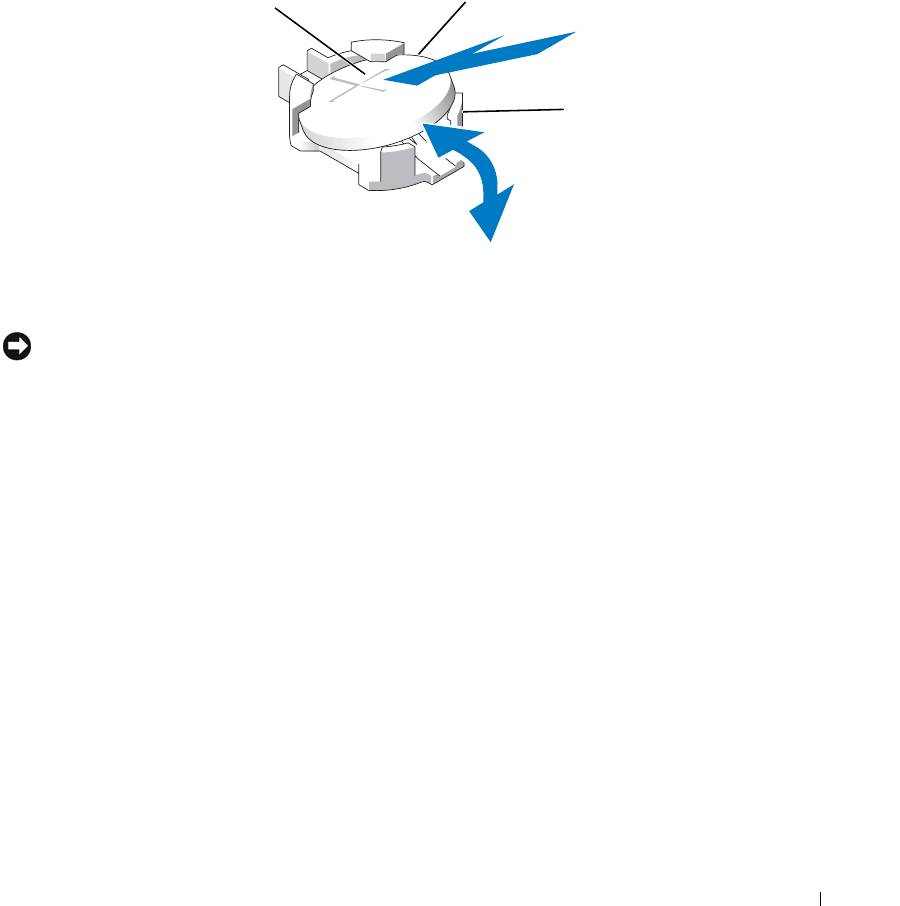
5
Remove the system battery.
a
Support the battery connector by pressing down firmly on the positive side of the connector.
b
While supporting the battery connector, press the battery toward the positive side of the connector and
pry it up out of the securing tabs at the negative side of the connector.
Figure 3-24. Replacing the System Battery
2
1
3
1 positive side of battery
2 system battery 3 negative side of battery
connector
connector
NOTICE: To avoid damage to the battery connector, you must firmly support the connector while installing or
removing a battery.
6
Install the new system battery.
a
Support the battery connector by pressing down firmly on the positive side of the connector.
b
Hold the battery with the "+" facing up, and slide it under the securing tabs at the positive side of the
connector.
c
Press the battery straight down into the connector until it snaps into place.
7
If you removed an expansion card in step 3, replace the card now. See "Installing an Expansion Card" on
page 61.
8
Close the system. See "Opening and Closing the System" on page 46.
9
Reconnect the system to its electrical outlet and turn the system on, including any attached peripherals.
10
Enter the System Setup program to confirm that the battery is operating properly. See "Using the System
Setup Program" on page 31.
11
Enter the correct time and date in the System Setup program's
Time
and
Date
fields.
12
Exit the System Setup program.
13
To test the newly installed battery, turn off the system and disconnect it from the electrical outlet for at
least an hour.
Installing System Components 87
14
After an hour, reconnect the system to its electrical outlet and turn it on.
15
Enter the System Setup program and if the time and date are still incorrect, see "Getting Help" on
page 125 for instructions on obtaining technical assistance.
Control Panel Assembly
Removing the Control Panel
CAUTION: Many repairs may only be done by a certified service technician. You should only perform
troubleshooting and simple repairs as authorized in your product documentation, or as directed by the online or
telephone service and support team. Damage due to servicing that is not authorized by Dell is not covered by your
warranty. Read and follow the safety instructions that came with the product.
1
If applicable, remove the bezel. See "Removing and Replacing the Front Bezel" on page 45.
2
Turn off the system and attached peripherals, and disconnect the system from the electrical outlet.
3
Open the system. See "Opening and Closing the System" on page 46.
4
Remove the SAS controller daughter card. See "Removing a SAS Controller Daughter Card" on page 56.
5
Disconnect the control panel cable at the back of the control panel board. See Figure 3-25.
NOTICE: Do not pull on the cable to unseat the connector. Doing so can damage the cable.
a
Squeeze the metal tabs on the ends of the cable connector.
b
Gently work the connector out of the socket.
6
Disconnect the front panel cable from the control panel board. See Figure 3-25.
7
Lift the release tab at the back of the control panel carrier and slide the carrier towards the back of the
system, then lift the carrier out of the system. See Figure 3-25.
8
Remove the three screws that secure the control panel board to the carrier and remove the board. See
Figure 3-25.
9
Remove the display module:
a
Insert the end of a paper clip into the hole on the right side of the display module and gently pry the
label off.
b
Using a T10 Torx driver, remove the two screws that secure the display module to the system chassis.
See Figure 3-25.
c
Remove the display module from the chassis cutout.
88 Installing System Components
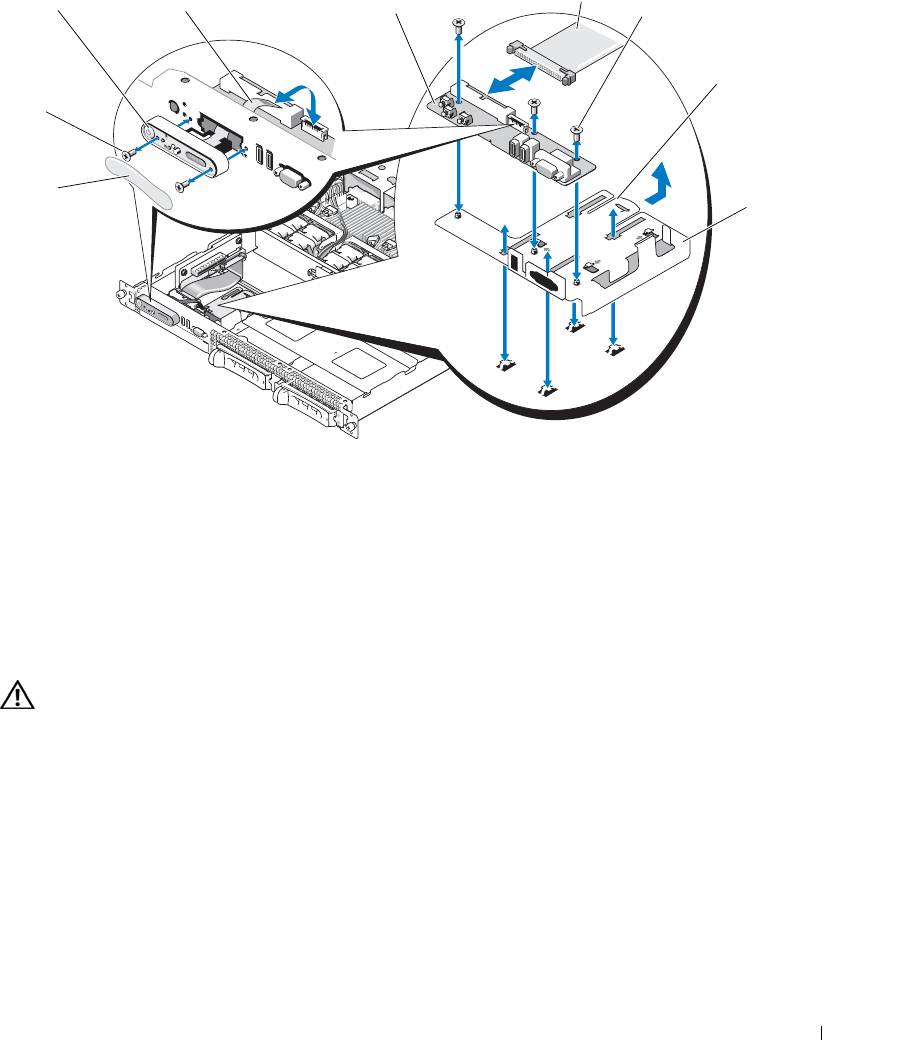
Figure 3-25. Control Panel Removal and Installation
4
1
2
3
5
6
9
8
7
1 display module 2 display module LCD cable 3 control panel circuit board
4 control panel cable 5 control-panel circuit board
6 control panel carrier release
securing screws (3)
tab
7 control panel carrier 8 display module label 9 display module securing
screws (2)
Installing the Control Panel
CAUTION: Many repairs may only be done by a certified service technician. You should only perform
troubleshooting and simple repairs as authorized in your product documentation, or as directed by the online or
telephone service and support team. Damage due to servicing that is not authorized by Dell is not covered by your
warranty. Read and follow the safety instructions that came with the product.
1
Insert the display module into the chassis cutout and secure it with the two screws.
2
Affix the control panel label to the display module.
3
Install the control panel board on the carrier, and secure it with the three Phillips screws. See Figure 3-25.
4
Install the carrier in the system chassis.
5
Connect the display module ribbon cable to the control panel board.
6
Connect the control panel ribbon cable to the control panel board.
Installing System Components 89
7
Replace the SAS controller daughter card. See "Installing a SAS Controller Daughter Card or SAS RAID
Controller Daughter Card" on page 56.
8
Close the system. See "Opening and Closing the System" on page 46.
9
Reconnect the system to the power source and turn on the system and attached peripherals.
10
If applicable, install the bezel. See "Removing and Replacing the Front Bezel" on page 45.
System Board
Removing the System Board
CAUTION: Many repairs may only be done by a certified service technician. You should only perform
troubleshooting and simple repairs as authorized in your product documentation, or as directed by the online or
telephone service and support team. Damage due to servicing that is not authorized by Dell is not covered by your
warranty. Read and follow the safety instructions that came with the product.
1
If applicable, remove the bezel. See "Removing and Replacing the Front Bezel" on page 45.
2
Turn off the system and attached peripherals, and disconnect the system from the electrical outlet.
3
Open the system. See "Opening and Closing the System" on page 46.
4
Disconnect any cables from the system board back panel.
5
Remove the memory cooling shroud. See "Removing the Memory Cooling Shroud" on page 52.
6
Remove both power supplies. See "Removing a Power Supply" on page 54.
7
Remove the sideplane from the system board. See "Removing the Sideplane Board" on page 85.
8
Remove both the center and left risers from the system board. See "Removing an Expansion-Card Riser"
on page 82.
9
Remove the four fan modules. See "Removing a Cooling Fan Module" on page 48.
10
If applicable, remove the RAC card. See "RAC Card" on page 71.
11
Remove the memory modules. See "Removing Memory Modules" on page 67.
CAUTION: The memory modules are hot to the touch for some time after the system has been powered down.
Allow time for the memory modules to cool before handling them. Handle the memory modules by the card edges
and avoid touching the components on the memory module.
NOTE: While removing the memory modules, record the memory module socket locations to ensure proper
installation.
NOTE: Your system also comes with a pre installed system board cooling shroud. Do not remove the
system board cooling shroud. See Figure 3-5.
12
Remove the heatsink(s) and microprocessor(s). See "Removing the Processor" on page 67.
13
If applicable, remove the TOE key. See "Activating the Integrated NIC TOE" on page 67.
90 Installing System Components
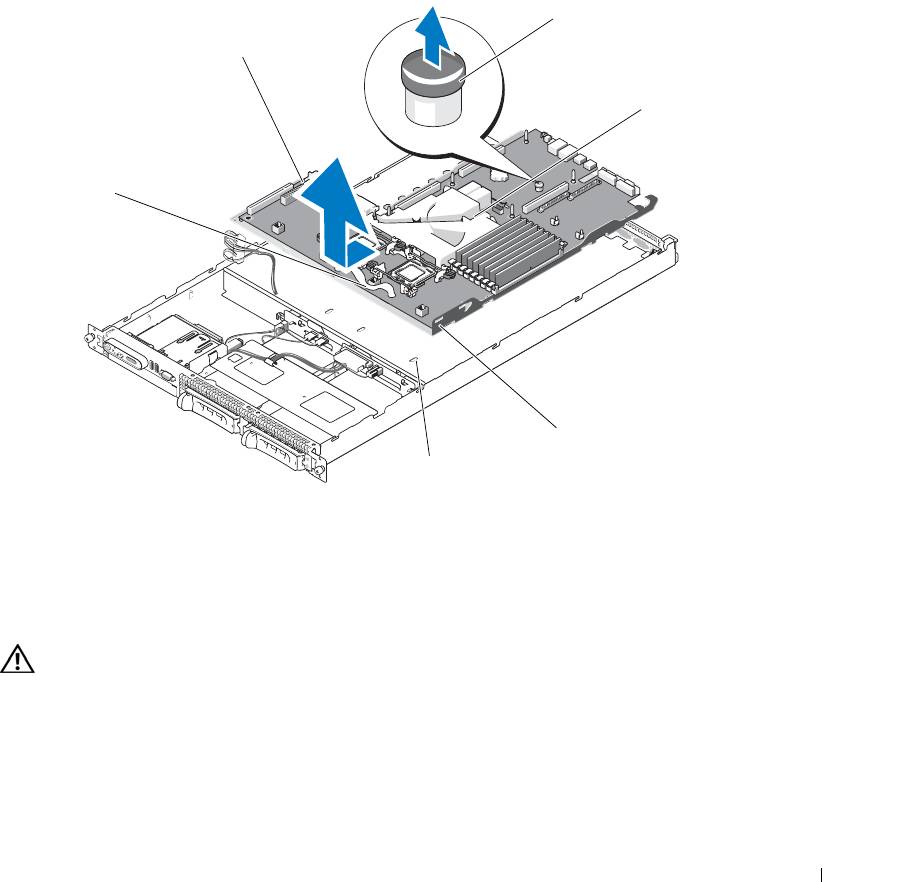
14
Remove the system board:
a
Pull the system-board release pin. See Figure 3-26.
b
While pulling the release pin, grasp the system board release handle and slide the system-board tray
toward the front of the chassis.
c
Lift up the system-board tray and remove it from the chassis.
Figure 3-26. System Board Removal
3
2
4
1
5
6
1 system-board tray release
2 system board attached to
3 system board release pin
handle
system-board tray
4 system board cooling shroud 5 system-board securing tabs 6 system-board securing slots
Installing the System Board
CAUTION: Many repairs may only be done by a certified service technician. You should only perform
troubleshooting and simple repairs as authorized in your product documentation, or as directed by the online or
telephone service and support team. Damage due to servicing that is not authorized by Dell is not covered by your
warranty. Read and follow the safety instructions that came with the product.
1
Lower the system-board tray until the tray sits flat on the bottom of the chassis.
2
Ensure that all system-board securing tabs are fully inserted into the system-board securing slots. See
Figure 3-26.
Installing System Components 91

3
Slide the system-board tray toward the back of the chassis until it locks into position.
4
If applicable, replace the RAC card. See "RAC Card" on page 71.
5
If applicable, replace the TOE key. See "Activating the Integrated NIC TOE" on page 67.
6
Replace the heatsink(s) and microprocessor(s).
7
Replace the memory modules. See "Installing Memory Modules" on page 65.
8
Replace both the center and left risers. See "Installing an Expansion-Card Riser" on page 83.
9
Replace any expansion card(s). See "Installing an Expansion Card" on page 61.
10
Replace the sideplane board. See "Installing the Sideplane Board" on page 86.
11
Replace the fan modules. See "Replacing a Cooling Fan Module" on page 49.
12
Replace the memory cooling shroud. See "Replacing the Memory Cooling Shroud" on page 53.
13
Replace the power supplies. See "Replacing a Power Supply" on page 55.
14
Connect any cables to the system.
15
Close the system. See "Opening and Closing the System" on page 46.
16
Replace the bezel. See "Removing and Replacing the Front Bezel" on page 45.
92 Installing System Components
4
Troubleshooting Your System
Safety First—For You and Your System
To perform certain procedures in this document, you must remove the system cover and work inside the
system. While working inside the system, do not attempt to service the system except as explained in
this guide and elsewhere in your system documentation.
CAUTION: Many repairs may only be done by a certified service technician. You should only perform
troubleshooting and simple repairs as authorized in your product documentation, or as directed by the online
or telephone service and support team. Damage due to servicing that is not authorized by Dell is not covered
by your warranty. Read and follow the safety instructions that came with the product.
Start-Up Routine
Look and listen during the system's start-up routine for the indications described in Table 1-1.
Table 4-1. Start-Up Routine Indications
Look/listen for: Action
A status or error message displayed on the front-panel
See "LCD Status Messages" on page 17.
LCD.
An error message displayed on the monitor. See "System Messages" on page 25.
Alert messages from the systems management software. See the systems management software documentation.
The monitor's power indicator. See "Troubleshooting the Video Subsystem" on page 95.
The keyboard indicators. See "Troubleshooting the Keyboard" on page 95.
The USB CD drive activity indicator. See "Troubleshooting a USB Device" on page 97.
The CD drive activity indicator. See "Troubleshooting an Optical Drive" on page 103.
The hard-drive activity indicator. See "Troubleshooting a Hard Drive" on page 104.
An unfamiliar constant scraping or grinding sound when
See "Getting Help" on page 125.
you access a drive.
Troubleshooting Your System 93

Checking the Equipment
This section provides troubleshooting procedures for external devices attached to the system, such as the
monitor, keyboard, or mouse. Before you perform any of the procedures, see "Troubleshooting External
Connections" on page 94.
Troubleshooting IRQ Assignment Conflicts
Most PCI devices can share an IRQ with another device, but they cannot use an IRQ simultaneously. To
avoid this type of conflict, see the documentation for each PCI device for specific IRQ requirements.
Table 4-2 lists the IRQ assignments.
Table 4-2. IRQ Assignment Defaults
IRQ Line Assignment
IRQ0 System timer
IRQ1 Keyboard controller
IRQ2 Interrupt controller 1 to enable IRQ8 through IRQ15
IRQ3 Available
IRQ4 Serial port 1 (COM1 and COM3)
IRQ5 Remote access controller
IRQ6 Reserved
IRQ7 Reserved
IRQ8 Real-time clock
IRQ9 ACPI functions (used for power management)
IRQ10 Available
IRQ11 Available
IRQ12 Available
IRQ13 Math coprocessor
IRQ14 IDE CD drive controller
IRQ15 Available
Troubleshooting External Connections
Loose or improperly connected cables are the most likely source of problems for the system, monitor, and
other peripherals (such as a printer, keyboard, mouse, or other external device). Ensure that all external
cables are securely attached to the external connectors on your system. See "Front-Panel Features and
Indicators" on page 11 and "Back-Panel Features and Indicators" on page 14 for the front- and back-panel
connectors on your system.
94 Troubleshooting Your System

Troubleshooting the Video Subsystem
Problem
• Monitor is not working properly.
• Video memory is faulty.
Action
1
Check the system and power connections to the monitor.
2
Determine whether the system has an expansion card with a video output connector.
In this system configuration, the monitor cable should normally be connected to the connector on the
expansion card,
not
to the system’s integrated video connector.
To verify that the monitor is connected to the correct video connector, turn off the system and wait for 1
minute, then connect the monitor to the other video connector and turn the system on again.
3
Determine whether the system has monitors attached to both the front and rear video connectors.
The system supports only one monitor attached to either the front or rear video connector. When a monitor
is connected to the front panel, the back-panel video connector is disabled.
If two monitors are attached to the system, disconnect one monitor. If the problem is not resolved,
continue to the next step.
4
Run the appropriate online diagnostic test. See "Using Server Administrator Diagnostics" on page 111.
If the tests run successfully, the problem is not related to video hardware.
If the tests fail, see "Getting Help" on page 125.
Troubleshooting the Keyboard
Problem
• System message indicates a problem with the keyboard
• Keyboard is not functioning properly
Action
1
Examine the keyboard and its cable for signs of damage.
2
Swap the faulty keyboard with a working keyboard.
If the problem is resolved, replace the faulty keyboard. See "Getting Help" on page 125.
3
Enter the System Setup program and ensure that the USB ports are enabled. See "Using the System Setup
Program" on page 31.
If the problem is not resolved, see "Getting Help" on page 125.
4
Run the appropriate online diagnostic test. See "Using Server Administrator Diagnostics" on page 111.
Troubleshooting Your System 95

Troubleshooting the Mouse
Problem
• System message indicates a problem with the mouse.
• Mouse is not functioning properly.
Action
1
Examine the mouse and its cable for signs of damage.
If the mouse is not damaged, go to step 4.
2
Enter the System Setup program and ensure that the USB ports are enabled. See "Using the System Setup
Program" on page 31.
If the mouse is damaged, continue to the next step.
3
Swap the faulty mouse with a working mouse.
If the problem is resolved, replace the faulty mouse. See "Getting Help" on page 125.
4
If the problem is not resolved, see "Getting Help" on page 125.
5
Run the appropriate online diagnostic test. See "Using Server Administrator Diagnostics" on page 111.
If the test fails, continue to the next step.
Troubleshooting Basic I/O Functions
Problem
• Error message indicates a problem with a serial port.
• Device connected to a serial port is not operating properly.
Action
1
Enter the System Setup program and ensure that the serial port is enabled, and the serial port/COM ports
are configured appropriately for any applications you are using. See "Using the System Setup Program"
on page 31.
2
If the problem is confined to a particular application, see the application documentation for specific port
configuration requirements that the program may require.
3
Run the appropriate online diagnostic test. See "Using Server Administrator Diagnostics" on page 111.
If the tests run successfully but the problem persists, see "Troubleshooting a Serial I/O Device" on
page 97.
96 Troubleshooting Your System

Troubleshooting a Serial I/O Device
Problem
• Device connected to the serial port is not operating properly.
Action
1
Turn off the system and any peripheral devices connected to the serial port.
2
Swap the serial interface cable with a working cable, and turn on the system and the serial device.
If the problem is resolved, replace the interface cable.
3
Turn off the system and the serial device, and swap the device with a comparable device.
4
Turn on the system and the serial device.
If the problem is resolved, replace the serial device. See "Getting Help" on page 125.
If the problem persists, see "Getting Help" on page 125.
Troubleshooting a USB Device
Problem
• System message indicates a problem with a USB device.
• Device connected to a USB port is not operating properly.
Action
1
Enter the System Setup program, and ensure that the USB ports are enabled. See "Using the System Setup
Program" on page 31.
2
Turn off the system and any USB devices.
3
Disconnect the USB devices, and connect the malfunctioning device to the other USB connector.
4
Turn on the system and the reconnected device.
If the problem is resolved, the USB connector might be defective. See "Getting Help" on page 125.
5
If possible, swap the interface cable with a working cable.
If the problem is resolved, replace the interface cable. See "Getting Help" on page 125.
6
Turn off the system and the USB device, and swap the device with a comparable device.
7
Turn on the system and the USB device.
If the problem is resolved, replace the USB device. See "Getting Help" on page 125.
If the problem persists, see "Getting Help" on page 125.
Troubleshooting Your System 97
Troubleshooting a NIC
Problem
• NIC cannot communicate with network.
Action
1
Run the appropriate online diagnostic test. See "Running the System Diagnostics" on page 111.
2
Check the appropriate indicator on the NIC connector. See "NIC Indicator Codes" on page 16.
• If the link indicator does not light, check all cable connections.
• If the activity indicator does not light, the network driver files might be damaged or missing.
Remove and reinstall the drivers if applicable. See the NIC documentation.
• Change the autonegotiation setting, if possible.
• Use another connector on the switch or hub.
If you are using a NIC card instead of an integrated NIC, see the documentation for the NIC card.
3
Ensure that the appropriate drivers are installed and the protocols are bound. See the NIC documentation.
4
Enter the System Setup program and confirm that the NICs are enabled. See "Using the System Setup
Program" on page 31.
5
Ensure that the NICs, hubs, and switches on the network are all set to the same data transmission speed.
See the network equipment documentation.
6
Ensure that all network cables are of the proper type and do not exceed the maximum length. See Network
Cable Requirements in your
Getting Started Guide
.
Troubleshooting a Wet System
Problem
• Liquid spilled on the system.
• Excessive humidity.
Action
CAUTION: Many repairs may only be done by a certified service technician. You should only perform
troubleshooting and simple repairs as authorized in your product documentation, or as directed by the online or
telephone service and support team. Damage due to servicing that is not authorized by Dell is not covered by your
warranty. Read and follow the safety instructions that came with the product.
1
Turn off the system and attached peripherals, and disconnect the system from the electrical outlet.
2
Open the system. See "Opening and Closing the System" on page 46.
3
Remove all expansion cards installed in the system. See "Removing an Expansion Card" on page 62.
98 Troubleshooting Your System

4
Let the system dry thoroughly for at least 24 hours.
5
Close the system. See "Opening and Closing the System" on page 46.
6
Reconnect the system to the electrical outlet, and turn on the system and attached peripherals.
If the system does not start properly, see "Getting Help" on page 125.
7
If the system starts properly, shut down the system and reinstall all of the expansion cards that you
removed. See "Installing an Expansion Card" on page 61.
8
Run the appropriate online diagnostic test. See "Using Server Administrator Diagnostics" on page 111.
If the tests fail, see "Getting Help" on page 125.
Troubleshooting a Damaged System
Problem
• System was dropped or damaged.
Action
CAUTION: Many repairs may only be done by a certified service technician. You should only perform
troubleshooting and simple repairs as authorized in your product documentation, or as directed by the online or
telephone service and support team. Damage due to servicing that is not authorized by Dell is not covered by your
warranty. Read and follow the safety instructions that came with the product.
1
Open the system. See "Opening and Closing the System" on page 46.
2
Ensure that the following components are properly installed:
• Expansion cards and risers
• Power supplies
• Processor and heatsink
• Memory modules
•Fans
• Drive-carrier connections to the SAS backplane board, if applicable
3
Ensure that all cables are properly connected.
4
Close the system. See "Opening and Closing the System" on page 46.
5
Run the system board tests in the system diagnostics. See "Running the System Diagnostics" on page 112.
If the tests fail, see "Getting Help" on page 125.
Troubleshooting Your System 99
Troubleshooting the System Battery
Problem
• System message indicates a problem with the battery.
• System Setup program loses system configuration information.
• System date and time do not remain current.
NOTE: If the system is turned off for long periods of time (for weeks or months), the NVRAM may lose its
system configuration information. This situation is caused by a defective battery.
Action
1
Re-enter the time and date through the System Setup program. See "Using the System Setup Program" on
page 31.
2
Turn off the system and disconnect it from the electrical outlet for at least one hour.
3
Reconnect the system to the electrical outlet and turn on the system.
4
Enter the System Setup program.
If the date and time are not correct in the System Setup program, replace the battery. See "System Battery"
on page 86.
If the problem is not resolved by replacing the battery, see "Getting Help" on page 125.
NOTE: Some software may cause the system time to speed up or slow down. If the system seems to operate
normally except for the time kept in the System Setup program, the problem may be caused by software rather
than by a defective battery.
Troubleshooting Power Supplies
Problem
• System-status indicators are amber.
• Power-supply fault indicators are amber.
• Front-panel status LCD indicates a problem with the power supplies.
Action
CAUTION: Many repairs may only be done by a certified service technician. You should only perform
troubleshooting and simple repairs as authorized in your product documentation, or as directed by the online or
telephone service and support team. Damage due to servicing that is not authorized by Dell is not covered by your
warranty. Read and follow the safety instructions that came with the product.
1
Run the appropriate online diagnostics test. See "Using Server Administrator Diagnostics" on page 111.
2
Locate the faulty power supply.
100 Troubleshooting Your System
The power supply's fault indicator is lit. See "Power Indicator Codes" on page 15.
NOTICE: You can hot-plug the power supplies. One power supply must be installed for the system to operate.
The system is in the redundant mode when two power supplies are installed. Remove and install only one power
supply at a time in a system that is powered on. Operating the system for extended periods of time with only one
power supply installed, without a power supply blank installed, can cause the system to overheat.
Remove the faulty power supply. See "Power Supplies" on page 53.
3
Ensure that the power supply is properly installed by removing and reinstalling it. See "Power Supplies"
on page 53.
NOTE: After installing a power supply, allow several seconds for the system to recognize the power supply
and to determine if it is working properly. The power indicator turns green to signify that the power supply is
functioning properly. See "Power Indicator Codes" on page 15.
If the problem persists, see "Getting Help" on page 125.
Troubleshooting System Cooling Problems
Problem
• Systems management software issues a fan-related error message.
Action
Ensure that none of the following conditions exist:
• Ambient temperature is too high.
• External airflow is obstructed.
• Cables inside the system obstruct airflow.
• An individual cooling fan has failed. See "Troubleshooting a Fan" on page 101.
Troubleshooting a Fan
Problem
• System-status indicator is amber.
• Systems management software issues a fan-related error message.
• Display module LCD indicates a problem with the fan.
Action
CAUTION: Many repairs may only be done by a certified service technician. You should only perform
troubleshooting and simple repairs as authorized in your product documentation, or as directed by the online or
telephone service and support team. Damage due to servicing that is not authorized by Dell is not covered by your
warranty. Read and follow the safety instructions that came with the product.
1
Run the appropriate diagnostic test. See "Using Server Administrator Diagnostics" on page 111.
Troubleshooting Your System 101
2
Open the system. See "Opening and Closing the System" on page 46.
CAUTION: The cooling fans are not hot-pluggable. To maintain proper cooling while the system is on, only
replace one fan at a time.
3
Locate the faulty fan indicated by the LCD display or diagnostic software. For the identification number
of each fan, see "Removing and Installing a Cooling Fan" on page 49.
4
Ensure that the faulty fan's power cable is firmly attached to the fan power connector. See "Cooling Fan
Modules" on page 48.
NOTE: Wait 30 seconds for the system to recognize the fan and determine whether it is working properly.
5
If the problem is not resolved, install a new fan. See "Cooling Fan Modules" on page 48.
If the replacement fan is working properly, close the system. See "Opening and Closing the System" on
page 46.
If the replacement fan does not operate, see "Getting Help" on page 125.
Troubleshooting System Memory
Problem
• Faulty memory module.
• Faulty system board.
• Front-panel status LCD indicates a problem with system memory.
Action
CAUTION: Many repairs may only be done by a certified service technician. You should only perform
troubleshooting and simple repairs as authorized in your product documentation, or as directed by the online or
telephone service and support team. Damage due to servicing that is not authorized by Dell is not covered by your
warranty. Read and follow the safety instructions that came with the product.
1
Run the appropriate online diagnostic test. See "Using Server Administrator Diagnostics" on page 111.
2
Turn on the system and attached peripherals.
If an error message does not appear, continue to the next step.
If an error message appears, go to step 12.
3
Enter the System Setup program and check the system memory setting. See "Entering the System Setup
Program" on page 31.
If the amount of memory installed matches the system memory setting, go to step 12.
4
Turn off the system and attached peripherals, and disconnect the system from the electrical outlet.
5
Open the system. See "Opening and Closing the System" on page 46.
6
Remove the memory cooling shroud. See "Removing the Memory Cooling Shroud" on page 52.
102 Troubleshooting Your System

7
Reseat the memory modules in their sockets. See "Installing Memory Modules" on page 65.
8
Replace the memory cooling shroud. See "Replacing the Memory Cooling Shroud" on page 53.
9
Close the system. See "Opening and Closing the System" on page 46.
10
Reconnect the system to its electrical outlet, and turn on the system and attached peripherals.
11
Enter the System Setup program and check the system memory setting. See "Using the System Setup
Program" on page 31.
If the amount of memory installed does not match the system memory setting, then perform the following
steps:
a
Turn off the system and attached peripherals, and disconnect the system from its electrical outlet.
b
Open the system. See "Opening and Closing the System" on page 46.
NOTE: Several configurations for memory modules exist; see "General Memory Module Installation
Guidelines" on page 64.
c
Swap the memory module in socket 1 with another of the same capacity. See "Installing Memory
Modules" on page 65.
d
Close the system. See "Opening and Closing the System" on page 46.
e
Reconnect the system to its electrical outlet, and turn on the system and attached peripherals.
f
As the system boots, observe the monitor screen and the indicators on the keyboard.
12
Perform the following steps:
a
Turn off the system and attached peripherals, and disconnect the system from its electrical outlet.
b
Open the system. See "Opening and Closing the System" on page 46.
c
Perform step c through step f in step 11 for each memory module installed.
If the problem persists, see "Getting Help" on page 125.
Troubleshooting an Optical Drive
Problem
• System cannot read data from a CD or DVD in an optical drive.
• Optical drive indicator does not blink during boot.
NOTE: DVD devices are data only.
Action
CAUTION: Many repairs may only be done by a certified service technician. You should only perform
troubleshooting and simple repairs as authorized in your product documentation, or as directed by the online or
telephone service and support team. Damage due to servicing that is not authorized by Dell is not covered by your
warranty. Read and follow the safety instructions that came with the product.
Troubleshooting Your System 103
1
Try using a different CD or DVD that you know works properly.
2
Enter the System Setup program and ensure that the drive’s IDE controller is enabled. See "Using the
System Setup Program" on page 31.
3
Run the appropriate online diagnostic test. See "Using Server Administrator Diagnostics" on page 111.
4
Turn off the system and attached peripherals, and disconnect the system from the electrical outlet.
5
Open or remove the bezel. See "Removing and Replacing the Front Bezel" on page 45
6
Open the system. See "Opening and Closing the System" on page 46.
7
Ensure that the interface cable is securely connected to the optical drive and to the sideplane.
8
Remove the SAS controller daughter card or the SAS RAID controller daughter card, as applicable. See
"Removing a SAS Controller Daughter Card" on page 56.
9
Close the system. See "Opening and Closing the System" on page 46.
10
Reconnect the system to the electrical outlet, and turn on the system and attached peripherals.
If the problem is not resolved, see "Getting Help" on page 125.
Troubleshooting a Hard Drive
Problem
• Device driver error.
• One or more hard drives not recognized by the system.
Action
CAUTION: Many repairs may only be done by a certified service technician. You should only perform
troubleshooting and simple repairs as authorized in your product documentation, or as directed by the online or
telephone service and support team. Damage due to servicing that is not authorized by Dell is not covered by your
warranty. Read and follow the safety instructions that came with the product.
NOTICE: This troubleshooting procedure can destroy data stored on the hard drive. Before you proceed, back up
all files on the hard drive.
1
Run the appropriate online diagnostic test. See "Using Server Administrator Diagnostics" on page 111.
Depending on the results of the diagnostics test, proceed as needed through the following steps.
2
Remove the bezel. See "Removing and Replacing the Front Bezel" on page 45.
3
If you are experiencing problems with multiple hard drives, skip to step 8. For a problem with a single
hard drive, continue to the next step.
4
Turn off your system, reseat the hard drive, and restart the system.
5
If your system has a SAS RAID controller daughter card, perform the following steps.
a
Restart the system and press <Ctrl><R> to enter the host adapter configuration utility program.
104 Troubleshooting Your System
See the documentation supplied with the host adapter for information about the configuration utility.
b
Ensure that the hard drive has been configured correctly for the RAID.
c
Exit the configuration utility and allow the system to boot to the operating system.
6
Ensure that the required device drivers for your controller daughter card are installed and are configured
correctly. See the operating system documentation for more information.
NOTICE: Do not perform the following step if you have a SAS RAID controller daughter card.
7
If you have the non-RAID SAS controller daughter card, remove the hard drive and swap its drive bay
location with another hard drive that is functioning properly.
If the problem is resolved, reinstall the hard drive in the original bay. See "Installing a Hot-Plug Hard
Drive" on page 76.
If the hard drive functions properly in the original bay, the drive carrier could have intermittent problems.
Replace the hard-drive carrier.
See "Getting Help" on page 125.
If the hard drive functioned properly in another bay but does not function in the original bay, the SAS
backplane has a defective connector.
See "Getting Help" on page 125.
8
Check the cable connections inside the system:
a
Turn off the system, including any attached peripherals, and disconnect the system from the electrical
outlet.
b
Open the system. See "Opening and Closing the System" on page 46.
c
Verify that the cable connections between SAS backplane(s) and the SAS daughter card are correct.
See "Installing a SAS Controller Daughter Card or SAS RAID Controller Daughter Card" on page 56.
d
Verify that the SAS cables are securely seated in their connectors.
e
Verify that the power connectors on the SAS backplane(s) are securely seated in their connectors.
f
Close the system. See "Opening and Closing the System" on page 46.
g
Reconnect the system to the electrical outlet, and turn on the system and attached peripherals.
If the problem persists,
see "Getting Help" on page 125.
Troubleshooting a SAS or SAS RAID Controller Daughter Card
NOTE: When troubleshooting a SAS or SAS RAID controller daughter card, also see the documentation for your
operating system and the controller daughter card.
Problem
• Error message indicates a problem with the SAS or SAS RAID controller daughter card.
• SAS or SAS RAID controller daughter card performs incorrectly or not at all.
Troubleshooting Your System 105

Action
CAUTION: Many repairs may only be done by a certified service technician. You should only perform
troubleshooting and simple repairs as authorized in your product documentation, or as directed by the online or
telephone service and support team. Damage due to servicing that is not authorized by Dell is not covered by your
warranty. Read and follow the safety instructions that came with the product.
1
Run the appropriate online diagnostic test. See "Using Server Administrator Diagnostics" on page 111.
2
Enter the System Setup program and ensure that the SAS or SAS RAID controller daughter card is
enabled. See "Using the System Setup Program" on page 31.
3
Restart the system and press the applicable key sequence to enter the configuration utility program:
• <Ctrl><C> for a SAS controller
• <Ctrl><R> for a SAS RAID controller
See the controller's documentation for information about configuration settings.
4
Check the configuration settings, make any necessary corrections, and restart the system.
If the problem is not resolved, continue to the next step.
5
Remove the bezel. See "Removing and Replacing the Front Bezel" on page 45.
6
Turn off the system and attached peripherals, and disconnect the system from its electrical outlet.
7
Open the system. See "Opening and Closing the System" on page 46.
8
Ensure that the controller card is firmly seated in its connector. See "SAS Controller Daughter Card" on
page 56.
9
If you have a SAS RAID controller daughter card, ensure that the following RAID components are
properly installed and connected:
• Memory module
• Battery
10
Verify that the cable connections between the SAS backplane(s) and the SAS controller daughter card are
correct. See "Installing a SAS Controller Daughter Card or SAS RAID Controller Daughter Card" on
page 56.
11
Ensure that the cables are firmly connected to the SAS controller daughter card and the SAS backplane
board.
12
Close the system. See "Opening and Closing the System" on page 46.
13
Reconnect the system to its electrical outlet, and turn on the system and attached peripherals. If the
problem persists, proceed as follows:
• If you have a SAS controller daughter card,
see "Getting Help" on page 125.
• If you have a SAS RAID controller daughter card, replace the SAS RAID daughter card battery
.
See
"Installing a RAID Battery" on page 60. If replacing the battery does not solve the problem,
see
"Getting Help" on page 125.
106 Troubleshooting Your System
Troubleshooting Expansion Cards
NOTE: When troubleshooting an expansion card, see the documentation for your operating system and the
expansion card.
Problem
• Error message indicates a problem with an expansion card.
• Expansion card performs incorrectly or not at all.
Action
CAUTION: Many repairs may only be done by a certified service technician. You should only perform
troubleshooting and simple repairs as authorized in your product documentation, or as directed by the online or
telephone service and support team. Damage due to servicing that is not authorized by Dell is not covered by your
warranty. Read and follow the safety instructions that came with the product.
1
Run the appropriate online diagnostic test. See "Using Server Administrator Diagnostics" on page 111.
2
Open or remove the bezel. See "Removing and Replacing the Front Bezel" on page 45.
3
Turn off the system and attached peripherals, and disconnect the system from the electrical outlet.
4
Open the system. See "Opening and Closing the System" on page 46.
5
Ensure that each expansion card is firmly seated in its connector. See "Installing an Expansion Card" on
page 61.
6
Close the system. See "Opening and Closing the System" on page 46.
7
Reconnect the system to the electrical outlet, and turn on the system and attached peripherals.
If the problem persists, go to the next step.
8
Turn off the system and attached peripherals, and disconnect the system from the electrical outlet.
9
Open the system. See "Opening and Closing the System" on page 46.
10
Remove all expansion cards installed in the system. See "Installing an Expansion Card" on page 61.
11
Close the system. See "Opening and Closing the System" on page 46.
12
Reconnect the system to the electrical outlet, and turn on the system and attached peripherals.
13
Run the appropriate online diagnostic test.
If the tests fail,
see "Getting Help" on page 125.
14
For each expansion card you removed in step 10, perform the following steps:
a
Turn off the system and attached peripherals, and disconnect the system from the electrical outlet.
b
Open the system. See "Opening and Closing the System" on page 46.
c
Reinstall one of the expansion cards.
Troubleshooting Your System 107

d
Close the system. See "Opening and Closing the System" on page 46.
e
Run the appropriate diagnostic test.
If the tests fail,
see "Getting Help" on page 125.
Troubleshooting the Microprocessors
Problem
• Error message indicates a processor problem.
• Front-panel status LCD indicates a problem with the processors or system board.
• A heat sink is not installed for each processor.
Action
CAUTION: Many repairs may only be done by a certified service technician. You should only perform
troubleshooting and simple repairs as authorized in your product documentation, or as directed by the online or
telephone service and support team. Damage due to servicing that is not authorized by Dell is not covered by your
warranty. Read and follow the safety instructions that came with the product.
1
Run the appropriate online diagnostics test. See "Using Server Administrator Diagnostics" on page 111.
2
Turn off the system and attached peripherals, and disconnect the system from the electrical outlet.
3
Open the system. See "Opening and Closing the System" on page 46.
4
Ensure that each processor and heat sink are properly installed. See "Removing the Processor" on page 67.
5
Close the system. See "Opening and Closing the System" on page 46.
6
Reconnect the system to the electrical outlet, and turn on the system and attached peripherals.
7
Run the appropriate online diagnostic test.
If the tests fail or the problem persists, continue to the next step.
8
Turn off the system and attached peripherals, and disconnect the system from the electrical outlet.
9
Open the system. See "Opening and Closing the System" on page 46.
10
Remove processor 2, leaving only processor 1 installed. See "Removing the Processor" on page 67.
If only one processor is installed,
see "Getting Help" on page 125.
11
Close the system. See "Opening and Closing the System" on page 46.
12
Reconnect the system to the electrical outlet, and turn on the system and attached peripherals.
13
Run the appropriate online diagnostic test.
If the tests complete successfully, go to step 19.
14
Turn off the system and attached peripherals, and disconnect the system from the electrical outlet.
15
Open the system. See "Opening and Closing the System" on page 46.
108 Troubleshooting Your System

16
Replace processor 1 with another processor of the same capacity. See "Removing the Processor" on
page 67.
17
Close the system. See "Opening and Closing the System" on page 46.
18
Run the appropriate online diagnostic test.
If the tests complete successfully, replace processor 1.
See "Getting Help" on page 125.
19
Turn off the system and attached peripherals, and disconnect the system from the electrical outlet.
20
Open the system. See "Opening and Closing the System" on page 46.
21
Reinstall the processor that you removed in step 10. See "Removing the Processor" on page 67.
22
Close the system. See "Opening and Closing the System" on page 46.
23
Reconnect the system to the electrical outlet, and turn on the system and attached peripherals.
If the problem persists,
see "Getting Help" on page 125.
Troubleshooting Your System 109

110 Troubleshooting Your System

5
Running the System Diagnostics
If you experience a problem with your system, run the diagnostics before calling for technical assistance.
The purpose of the diagnostics is to test your system's hardware without requiring additional equipment or
risking data loss. If you are unable to fix the problem yourself, service and support personnel can use
diagnostics test results to help you solve the problem.
Using Server Administrator Diagnostics
To assess a system problem, first use the online Server Administrator diagnostics. If you are unable to
identify the problem, then use the system diagnostics.
To access the online diagnostics, log into the Server Administrator home page, and then click the
Diagnostics
tab. For information about using diagnostics, see the online help. For additional information,
see the
Server Administrator User's Guide
.
System Diagnostics Features
The system diagnostics provides a series of menus and options for particular device groups or devices. The
system diagnostics menus and options allow you to:
• Run tests individually or collectively.
• Control the sequence of tests.
• Repeat tests.
• Display, print, or save test results.
• Temporarily suspend testing if an error is detected or terminate testing when a user-defined error limit
is reached.
• View help messages that briefly describe each test and its parameters.
• View status messages that inform you if tests are completed successfully.
• View error messages that inform you of problems encountered during testing.
When to Use the System Diagnostics
If a major component or device in the system does not operate properly, component failure may be
indicated. As long as the microprocessor and the system's input/output devices (monitor, keyboard, and
diskette drive) are functioning, you can use the system diagnostics to help identify the problem.
Running the System Diagnostics 111
Running the System Diagnostics
The system diagnostics is run from the utility partition on your hard drive.
NOTICE: Use the system diagnostics to test only your system. Using this program with other systems may cause
invalid results or error messages. In addition, use only the program that came with your system (or an updated
version of that program).
1
As the system boots, press <F10> during POST.
2
From the utility partition main menu, select
Run System Diagnostics
, or select
Run Memory
Diagnostics
if you are troubleshooting memory.
When you start the system diagnostics, a message is displayed stating that the diagnostics are initializing. Next,
the
Diagnostics
menu appears. The menu allows you to run all or specific diagnostics tests or to exit the system
diagnostics.
NOTE: Before you read the rest of this section, start the system diagnostics so that you can see the utility on your
screen.
System Diagnostics Testing Options
Click the testing option in the
Main
Menu
window. Table 5-1 provides a brief explanation of testing options.
Table 5-1. System Diagnostics Testing Options
Testing Option Function
Express Test Performs a quick check of the system. This option runs device tests that
do not require user interaction. Use this option to quickly identify the
source of your problem.
Extended Test Performs a more thorough check of the system. This test can take an hour
or longer.
Custom Test Tests a particular device.
Information Displays test results.
Using the Custom Test Options
When you select
Custom Test
in the
Main
Menu
window, the
Customize
window appears and allows you to
select the device(s) to be tested, select specific options for testing, and view the test results.
Selecting Devices for Testing
The left side of the
Customize
window lists
devices that can be tested. Devices are grouped by device type or
by module, depending on the option you select. Click the
(+)
next to a device or module to view its components.
Click
(+)
on any component to view the tests that are available. Clicking a device, rather than its components,
selects all of the components of the device for testing.
112 Running the System Diagnostics

Selecting Diagnostics Options
Use the
Diagnostics Options
area to select how you want to test a device. You can set the following options:
•
Non-Interactive Tests Only
— When checked, runs only tests that require no user intervention.
•
Quick Tests Only
— When checked, runs only the quick tests on the device. Extended tests will not run
when you select this option.
•
Show Ending Timestamp
— When checked, time stamps the test log.
•
Test Iterations
— Selects the number of times the test is run.
•
Log output file pathname
— When checked, enables you to specify where the test log file is saved.
Viewing Information and Results
The tabs in the
Customize
window provide information about the test and the test results. The following tabs
are available:
•
Results
— Displays the test that ran and the result.
•
Errors
— Displays any errors that occurred during the test.
•
Help
— Displays information about the currently selected device, component, or test.
•
Configuration
— Displays basic configuration information about the currently selected device.
•
Parameters
— If applicable, displays parameters that you can set for the test.
Running the System Diagnostics 113

114 Running the System Diagnostics

6
Jumpers and Connectors
This section provides specific information about the system jumpers. It also provides some basic
information on jumpers and switches and describes the connectors on the various boards in the system.
System Board Jumpers
Figure 6-1 shows the location of the configuration jumpers on the system board. Table 6-1 lists the
jumper settings.
NOTE: To access the jumpers, remove the system board cooling shroud by lifting the release latch and
sliding the shroud towards the front of the system. See Figure 3-13.
NOTE: Lift up the memory module airflow shroud for easy access to the jumpers.
Jumpers and Connectors 115
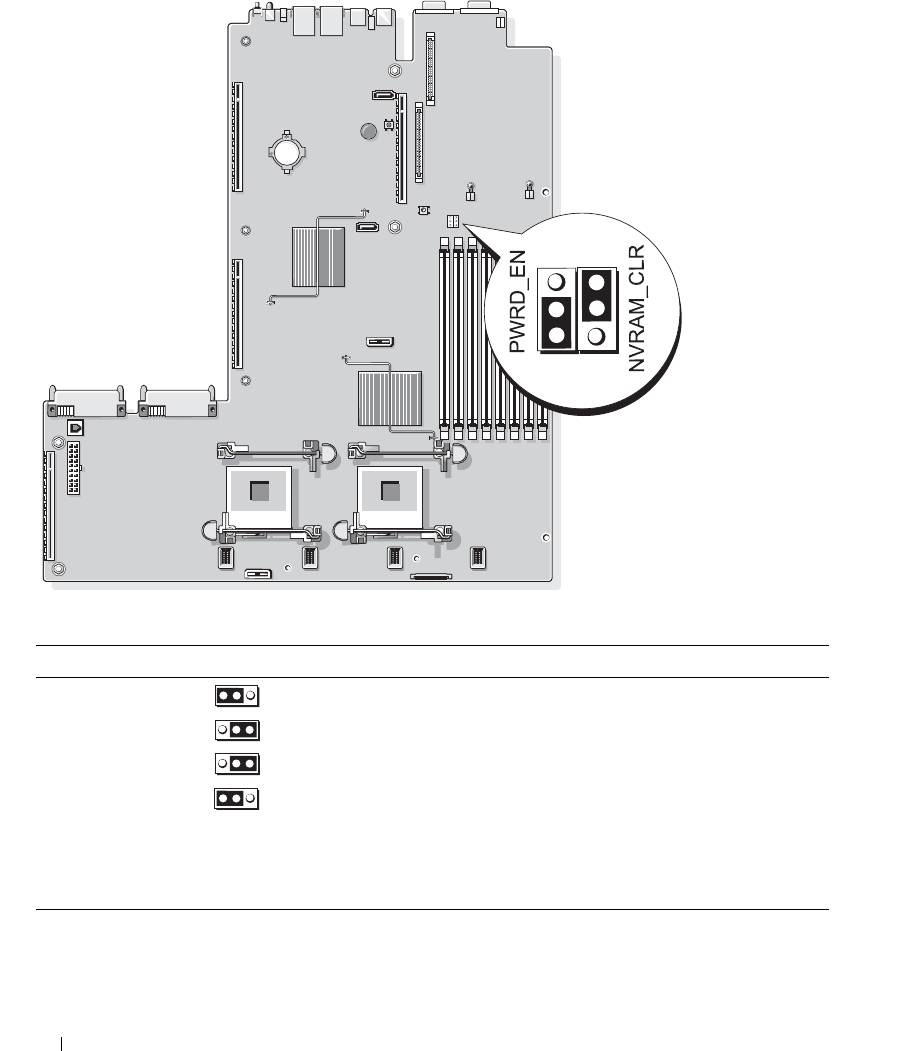
Figure 6-1. System Board Jumpers
Table 6-1. System Board Jumper Settings
Jumper Setting Description
1PWRD_EN
(default)
The password feature is enabled.
The password feature is disabled.
2NVRAM_CLR
(default)
The configuration settings are retained at system boot.
The configuration settings are cleared at the next system
boot. (If the configuration settings become corrupted to the
point where the system will not boot, install the jumper and
boot the system. Remove the jumper before restoring the
configuration information.)
NOTE: For the full name of an abbreviation or acronym used in this table, see the "Glossary" on page 147.
116 Jumpers and Connectors
Disabling a Forgotten Password
The system's software security features include a system password and a setup password, which are discussed in
detail in "Using the System Setup Program" on page 31. The password jumper enables these password features
or disables them and clears any password(s) currently in use.
NOTICE: See "Protecting Against Electrostatic Discharge" in the safety instructions in your Product Information
Guide.
1
Turn off the system, including any attached peripherals, and disconnect the system from the electrical
outlet.
2
Open the system. See "Opening and Closing the System" on page 46.
3
Lift up the memory module shroud.
4
Remove the jumper plug from the password jumper.
See Figure 6-1 to locate the password jumper on the system board.
5
Close the system.
6
Reconnect your system and peripherals to their electrical outlets, and turn on the system.
The existing passwords are not disabled (erased) until the system boots with the password jumper plug
removed. However, before you assign a new system and/or setup password, you must install the jumper
plug.
NOTE: If you assign a new system and/or setup password with the jumper plug still removed, the system
disables the new password(s) the next time it boots.
7
Turn off the system, including any attached peripherals, and disconnect the system from the electrical
outlet.
8
Open the system. See "Opening and Closing the System" on page 46.
9
Install the jumper plug on the password jumper.
10
Lower the memory module shroud.
11
Close the system.
12
Reconnect your system and peripherals to their electrical outlets, and turn on the system.
13
Assign a new system and/or setup password.
To assign a new password using the System Setup program, see "Assigning a System Password" on
page 38.
Jumpers and Connectors 117
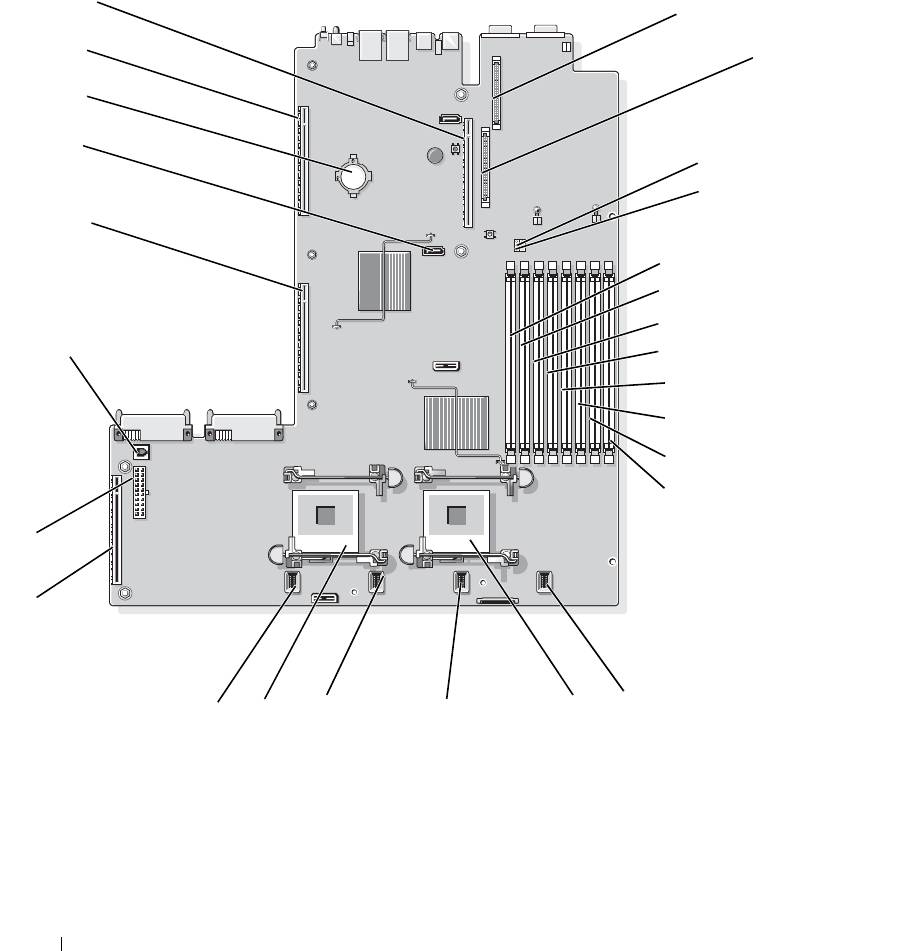
System Board Connectors
See Figure 6-2 and Table 6-2 for the location and description of system board connectors.
Figure 6-2. System Board Connectors
26
1
25
2
24
23
3
4
22
5
6
7
21
8
9
10
11
12
2
1
16
13
18
17
15
14
118 Jumpers and Connectors

Table 6-2. System Board Connectors
Connector Description
1 RAC_CONN2 Connector for the remote access control connector (RAC)
2 RAC_CONN1 Connector for the remote access control connector
3 NVRAM_CLR Configuration jumper
4 PWRD_EN Password jumper
5 DIMM 1 Memory module connector, slot 1
6 DIMM 5 Memory module connector, slot 5
7 DIMM 2 Memory module connector, slot 2
8 DIMM 6 Memory module connector, slot 6
9 DIMM 3 Memory module connector, slot 3
10 DIMM 7 Memory module connector, slot 7
11 DIMM 4 Memory module connector, slot 4
12 DIMM 8 Memory module connector, slot 8
13 FAN_MOD4 System cooling fan module 4 connector
14 CPU1 Microprocessor connector 1
15 FAN_MOD3 System cooling fan module 3 connector
16 FAN_MOD2 System cooling fan module 2 connector
17 CPU2 Microprocessor connector 2
18 FAN_MOD1 System cooling fan module 1 connector
19 SIDEPLANE Sideplane connector
20 BACKPLANE Backplane power connector
21 TOE_KEY TCP/IP offload engine key
22 LEFT PCIe RISER Left riser board connector
23 SATA_A SATA A connector
24 BATTERY Connector for the 3.0-V coin battery
25 LEFT PCI-X RISER Left riser board connector (PCIe or PCI-X)
26 CENTER RISER Center riser board connector (PCIe or PCI-X)
NOTE: For the full name of an abbreviation or acronym used in this table, see the "Glossary" on page 147.
Jumpers and Connectors 119
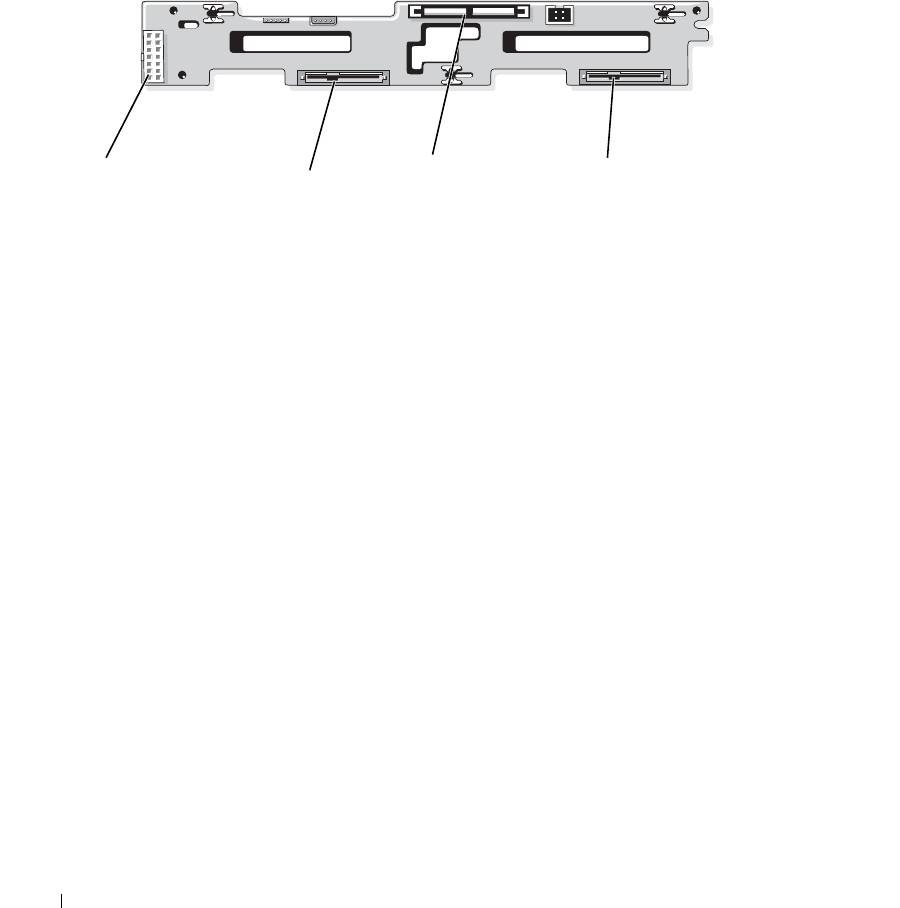
SAS/SATA Backplane Board Connectors
Figure 6-3 shows the location of the connectors on the SAS/SATA backplane board that supports two 3.5-inch
hard drives (Option 1).
Figure 6-3. SAS 3.5-Inch-Drive Backplane Board Components - Option 1
1
3
4
2
1 backplane power connector 2 Drive 0 connector 3 SAS A connector
4 Drive 1 connector
Figure 6-4 and Figure 6-5 show the location of the connectors on the SAS/SATA backplane board that supports
four 2.5-inch hard drives (Option 2).
120 Jumpers and Connectors
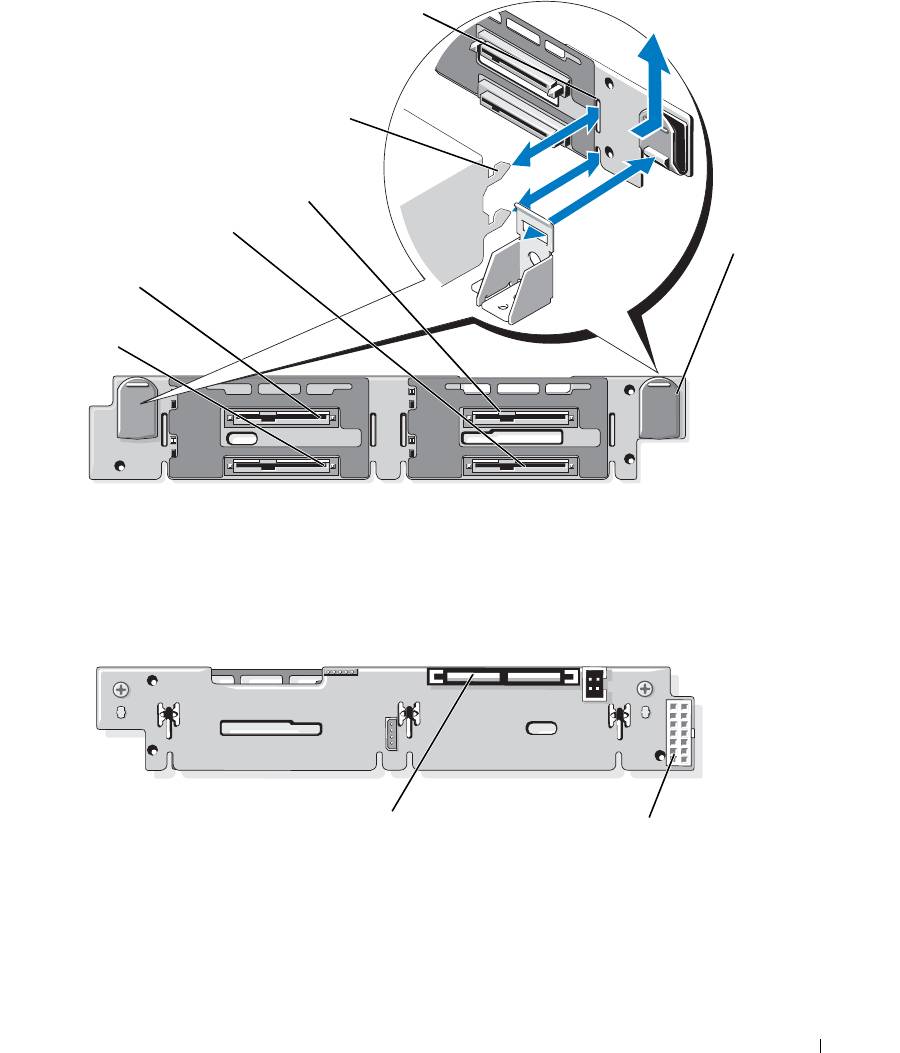
Figure 6-4. SAS 2.5-Inch-Drive Backplane Board Components - Option 2 (Front)
6
5
4
3
7
2
1
1 Drive 1 connector 2 Drive 0 connector 3 Drive 3 connector
4 Drive 2 connector 5 securing tabs 6 securing slots
7 release latches (2)
Figure 6-5. SAS Backplane Board Components - Option 2 (Back)
1
2
1 SAS A connector 2 backplane power connector
Jumpers and Connectors 121
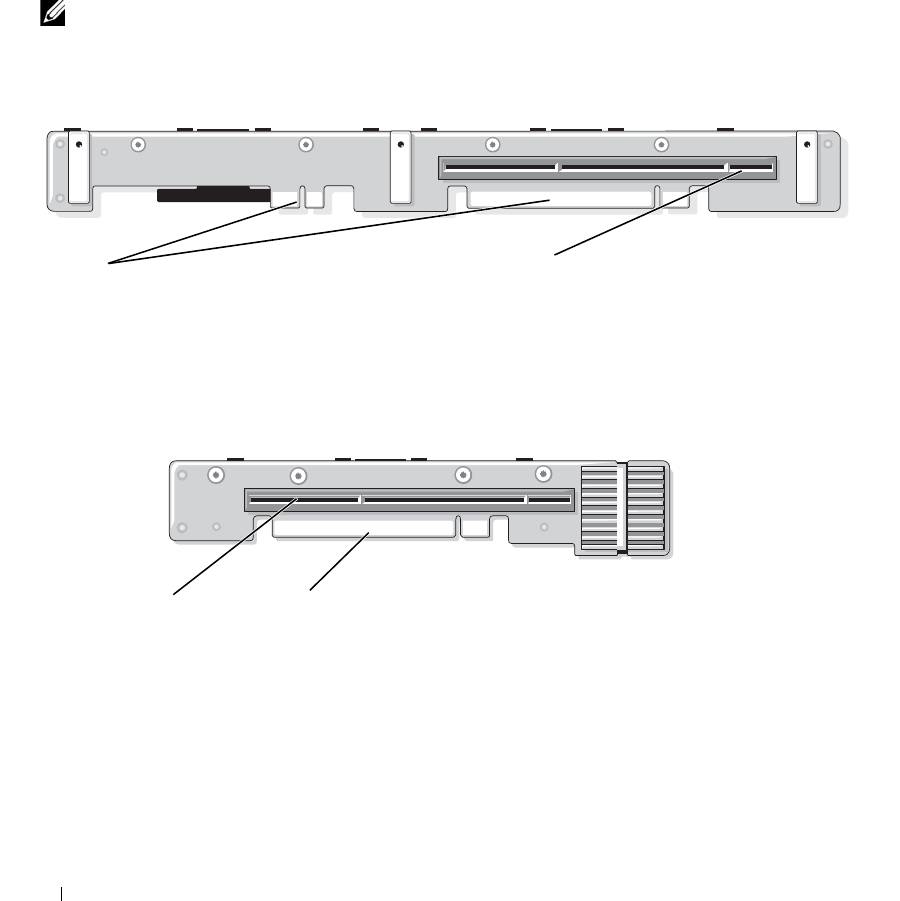
Expansion-Card Riser-Board Components and PCI Buses
There are two expansion card configurations for this systems. Each riser (center riser and left riser) contains
one slot for either a PCI-X configuration or a PCIe configuration. This system supports only one
configuration (PCI-X or PCIe) for both risers. Figure 6-6 and Figure 6-7 show the components on the
optional PCI-X expansion-card riser boards, including the expansion-card slots and buses. "PCIe Riser
Board Expansion Slots" on page 61 and "PCI-X Riser Board Expansion Slots" on page 61 list the PCI bus
and operating speed for each expansion-card slot.
NOTE: Because the orientation and physical connectors are similar, the PCIe expansion card configuration is not
shown.
Figure 6-6. Optional PCI-X Expansion-Card Left Riser Board Components
2
1
1 connector to system board 2 slot 2 PCI-X 64 bit/133 MHz
Figure 6-7. Optional PCI-X Expansion-Card Center Riser Board Components
1
2
1 slot 1 PCI-X 2 connector to system board
122 Jumpers and Connectors
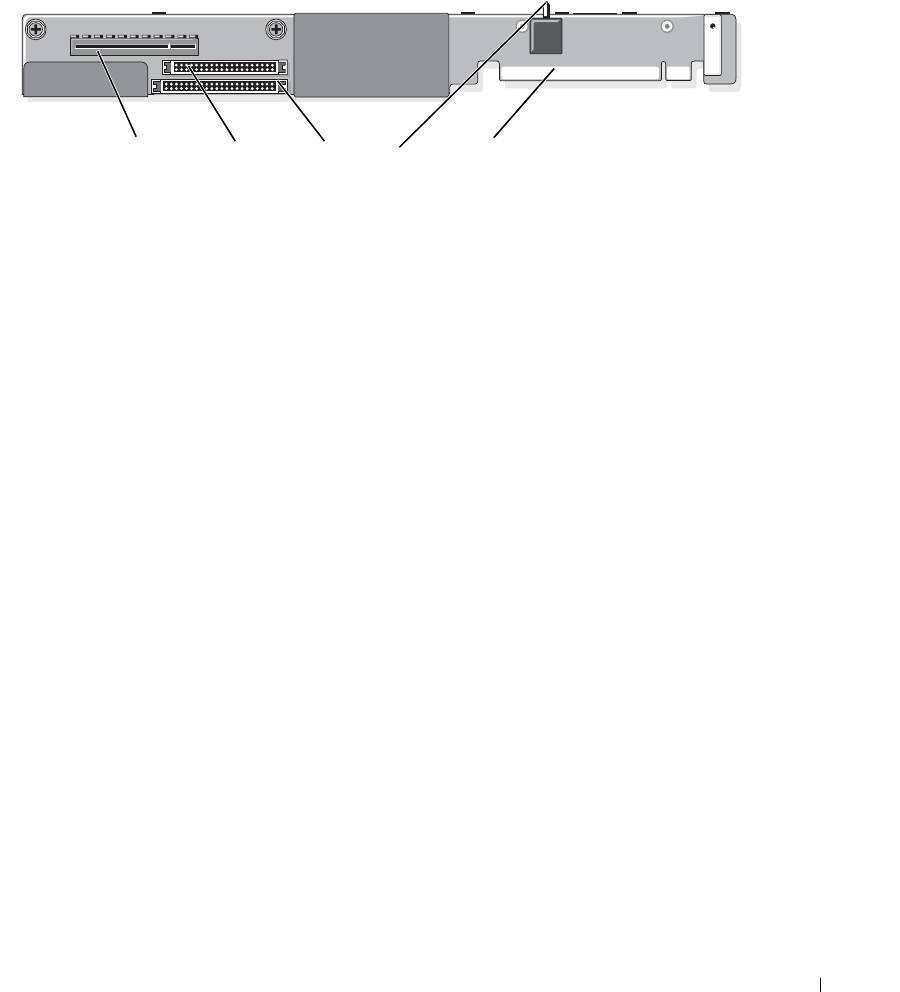
SAS Sideplane Board Connectors
Figure 6-8. Side Plane Components
15
2
3
4
1 SAS daughter card connector 2 control panel connector 3 IDE/optical drive connector
4 chassis intrusion switch 5 connector to system board
Jumpers and Connectors 123

124 Jumpers and Connectors

7
Getting Help
Technical Assistance
If you need assistance with a technical problem, perform the following steps:
1
Complete the procedures in "Troubleshooting Your System" on page 93.
2
Run the system diagnostics and record any information provided.
3
Make a copy of the Diagnostics Checklist, and fill it out.
4
Use Dell's extensive suite of online services available at Dell Support at
support.dell.com
for help
with installation and troubleshooting procedures.
For more information, see "Online Services" on page 125.
5
If the preceding steps have not resolved the problem, call Dell for technical assistance.
NOTE: Call technical support from a phone near or at the system so that technical support can assist you
with any necessary procedures.
NOTE: Dell’s Express Service Code system may not be available in all countries.
When prompted by Dell's automated telephone system, enter your Express Service Code to route the call
directly to the proper support personnel. If you do not have an Express Service Code, open the
Dell
Accessories
folder, double-click the
Express Service Code
icon, and follow the directions.
For instructions on using the technical support service, see "Technical Support Service" on page 126 and
"Before You Call" on page 128.
NOTE: Some of the following services are not always available in all locations outside the continental U.S.
Call your local Dell representative for information on availability.
Online Services
You can access Dell Support at
support.dell.com
. Select your region on the
WELCOME TO DELL
SUPPORT
page, and fill in the requested details to access help tools and information.
You can contact Dell electronically using the following addresses:
•World Wide Web
www.dell.com/
www.dell.com/ap/
(Asian/Pacific countries only)
www.dell.com/jp
(Japan only)
Getting Help 125

www.euro.dell.com
(Europe only)
www.dell.com/la
(Latin American countries)
www.dell.ca
(Canada only)
• Anonymous file transfer protocol (FTP)
ftp.dell.com/
Log in as
user:anonymous
, and use your e-mail address as your password.
• Electronic Support Service
support@us.dell.com
apsupport@dell.com (Asian/Pacific countries only)
support.jp.dell.com
(Japan only)
support.euro.dell.com
(Europe only)
• Electronic Quote Service
apmarketing@dell.com (Asian/Pacific countries only)
sales_canada@dell.com (Canada only)
AutoTech Service
Dell's automated technical support service—AutoTech—provides recorded answers to the questions most
frequently asked by Dell customers about their portable and desktop computer systems.
When you call AutoTech, use your touch-tone telephone to select the subjects that correspond to your questions.
The AutoTech service is available 24 hours a day, 7 days a week. You can also access this service through the
technical support service. See the contact information for your region.
Automated Order-Status Service
To check on the status of any Dell™ products that you have ordered, you can go to
support.dell.com
, or you
can call the automated order-status service. A recording prompts you for the information needed to locate and
report on your order. See the contact information for your region.
Technical Support Service
Dell's technical support service is available 24 hours a day, 7 days a week, to answer your questions about Dell
hardware. Our technical support staff use computer-based diagnostics to provide fast, accurate answers.
To contact Dell's technical support service, see "Before You Call" on page 128 and then see the contact
information for your region.
126 Getting Help

Dell Enterprise Training and Certification
Dell Enterprise Training and Certification is available; see
www.dell.com/training
for more information. This
service may not be offered in all locations.
Problems With Your Order
If you have a problem with your order, such as missing parts, wrong parts, or incorrect billing, contact Dell for
customer assistance. Have your invoice or packing slip available when you call. See the contact information for
your region.
Product Information
If you need information about additional products available from Dell, or if you would like to place an order,
visit the Dell website at
www.dell.com
. For the telephone number to call to speak to a sales specialist, see the
contact information for your region.
Returning Items for Warranty Repair or Credit
Prepare all items being returned, whether for repair or credit, as follows:
1
Call Dell to obtain a Return Material Authorization Number, and write it clearly and prominently on the
outside of the box.
For the telephone number to call, see the contact information for your region.
2
Include a copy of the invoice and a letter describing the reason for the return.
3
Include a copy of any diagnostic information (including the Diagnostics Checklist) indicating the tests you
have run and any error messages reported by the system diagnostics.
4
Include any accessories that belong with the item(s) being returned (such as power cables, media such as
CDs and diskettes, and guides) if the return is for credit.
5
Pack the equipment to be returned in the original (or equivalent) packing materials.
You are responsible for paying shipping expenses. You are also responsible for insuring any product
returned, and you assume the risk of loss during shipment to Dell. Collect-on-delivery (C.O.D.) packages
are not accepted.
Returns that are missing any of the preceding requirements will be refused at our receiving dock and returned to
you.
Getting Help 127
Before You Call
NOTE: Have your Express Service Code ready when you call. The code helps Dell's automated-support telephone
system direct your call more efficiently.
Remember to fill out the Diagnostics Checklist. If possible, turn on your system before you call Dell for
technical assistance and call from a telephone at or near the computer. You may be asked to type some
commands at the keyboard, relay detailed information during operations, or try other troubleshooting steps
possible only at the computer system itself. Ensure that the system documentation is available.
CAUTION: Before servicing any components inside your computer, see your Product Information Guide for
important safety information.
128 Getting Help

Diagnostics Checklist
Name:
Date:
Address:
Phone number:
Service Tag (bar code on the back of the computer):
Express Service Code:
Return Material Authorization Number (if provided by Dell support technician):
Operating system and version:
Peripherals:
Expansion cards:
Are you connected to a network? Yes No
Network, version, and network card:
Programs and versions:
See your operating system documentation to determine the contents of the system’s start-up files.
If possible, print each file. Otherwise, record the contents of each file before calling Dell.
Description of problem and troubleshooting procedures you performed:
Getting Help 129
Contacting Dell
To contact Dell electronically, you can access the following websites:
• www.dell.com
•
support.dell.com
(support)
For specific web addresses for your country, find the appropriate country section in the table below.
NOTE: Toll-free numbers are for use within the country for which they are listed.
NOTE: In certain countries, support specific to Dell XPS™ portable computers is available at a separate
telephone number listed for participating countries. If you do not see a telephone number listed that is specific for
XPS portable computers, you may contact Dell through the support number listed and your call will be routed
appropriately.
When you need to contact Dell, use the electronic addresses, telephone numbers, and codes provided in the
following table. If you need assistance in determining which codes to use, contact a local or an international
operator.
Country (City)
Department Name or Service Area,
Area Codes,
International Access Code
Website and E-Mail Address
Local Numbers, and
Country Code
Toll-Free Numbers
City Code
Anguilla General Support
toll-free: 800-335-0031
Antigua and Barbuda General Support
1-800-805-5924
Argentina (Buenos Aires)
Website: www.dell.com.ar
International Access Code: 00
E-mail: us_latin_services@dell.com
Country Code: 54
E-mail for desktop and portable computers:
la-techsupport@dell.com
City Code: 11
®
E-mail for servers and EMC
storage products:
la_enterprise@dell.com
Customer Care
toll-free: 0-800-444-0730
Technical Support
toll-free: 0-800-444-0733
Technical Support Services
toll-free: 0-800-444-0724
Sales
0-810-444-3355
Aruba General Support
toll-free: 800-1578
Australia (Sydney)
Website: support.ap.dell.com
International Access Code: 0011
E-mail: support.ap.dell.com/contactus
Country Code: 61
General Support
13DELL-133355
City Code: 2
130 Getting Help
Country (City)
Department Name or Service Area,
Area Codes,
International Access Code
Website and E-Mail Address
Local Numbers, and
Country Code
Toll-Free Numbers
City Code
Austria (Vienna)
Website: support.euro.dell.com
International Access Code: 900
E-mail: tech_support_central_europe@dell.com
Country Code: 43
Home/Small Business Sales
0820 240 530 00
City Code: 1
Home/Small Business Fax
0820 240 530 49
Home/Small Business Customer Care
0820 240 530 14
Preferred Accounts/Corporate Customer Care
0820 240 530 16
Support for XPS portable computers only
0820 240 530 81
Home/Small Business Support for all other Dell
0820 240 530 14
computers
Preferred Accounts/Corporate Support
0660 8779
Switchboard
0820 240 530 00
Bahamas General Support
toll-free: 1-866-278-6818
Barbados General Support
1-800-534-3066
Belgium (Brussels)
Website: support.euro.dell.com
International Access Code: 00
Tech Support for XPS portable computers only
024819296
Country Code: 32
Tech Support for all other Dell computers
024819288
City Code: 2
Tech Support Fax
024819295
Customer Care
027131565
Corporate Sales
024819100
Fax
024819299
Switchboard
024819100
Bermuda General Support
1-800-342-0671
Bolivia General Support
toll-free: 800-10-0238
Brazil
Website: www.dell.com/br
International Access Code: 00
Customer Support, Tech Support
Country Code: 55
0800 90 3355
City Code: 51
Technical Support Fax
51 481 5470
Customer Care Fax
51 481 5480
Sales
0800 90 3390
British Virgin Islands General Support
toll-free: 1-866-278-6820
Getting Help 131

Country (City)
Department Name or Service Area,
Area Codes,
International Access Code
Website and E-Mail Address
Local Numbers, and
Country Code
Toll-Free Numbers
City Code
Brunei
Technical Support (Penang, Malaysia)
604 633 4966
Country Code: 673
Customer Care (Penang, Malaysia)
604 633 4888
Transaction Sales (Penang, Malaysia)
604 633 4955
Canada (North York, Ontario)
Online Order Status: www.dell.ca/ostatus
International Access Code: 011
AutoTech (automated Hardware and Warranty
toll-free: 1-800-247-9362
Support)
Customer Service (Home Sales/Small Business)
toll-free: 1-800-847-4096
Customer Service (med./large business, government)
toll-free: 1-800-326-9463
Customer Service (printers, projectors, televisions,
toll-free: 1-800-847-4096
handhelds, digital jukebox, and wireless)
Hardware Warranty Support (Home Sales/Small
toll-free: 1-800-906-3355
Business)
Hardware Warranty Support (med./large bus.,
toll-free: 1-800-387-5757
government)
Hardware Warranty Support (printers, projectors,
1-877-335-5767
televisions, handhelds, digital jukebox, and wireless)
Sales (Home Sales/Small Business)
toll-free: 1-800-387-5752
Sales (med./large bus., government)
toll-free: 1-800-387-5755
Spare Parts Sales & Extended Service Sales
1 866 440 3355
Cayman Islands General Support
1-800-805-7541
Chile (Santiago)
Sales and Customer Support
toll-free: 1230-020-4823
Country Code: 56
City Code: 2
132 Getting Help

Country (City)
Department Name or Service Area,
Area Codes,
International Access Code
Website and E-Mail Address
Local Numbers, and
Country Code
Toll-Free Numbers
City Code
China (Xiamen)
Technical Support website: support.dell.com.cn
Country Code: 86
Technical Support E-mail: cn_support@dell.com
City Code: 592
Customer Care E-mail: customer_cn@dell.com
Technical Support Fax
592 818 1350
Technical Support (Dell™ Dimension™ and
toll-free: 800 858 2968
Inspiron)
Technical Support (OptiPlex™, Latitude™, and Dell
toll-free: 800 858 0950
Precision™)
Technical Support (servers and storage)
toll-free: 800 858 0960
Technical Support (projectors, PDAs, switches,
toll-free: 800 858 2920
routers, and so on)
Technical Support (printers)
toll-free: 800 858 2311
Customer Care
toll-free: 800 858 2060
Customer Care Fax
592 818 1308
Home and Small Business
toll-free: 800 858 2222
Preferred Accounts Division
toll-free: 800 858 2557
Large Corporate Accounts GCP
toll-free: 800 858 2055
Large Corporate Accounts Key Accounts
toll-free: 800 858 2628
Large Corporate Accounts North
toll-free: 800 858 2999
Large Corporate Accounts North Government and
toll-free: 800 858 2955
Education
Large Corporate Accounts East
toll-free: 800 858 2020
Large Corporate Accounts East Government and
toll-free: 800 858 2669
Education
Large Corporate Accounts Queue Team
toll-free: 800 858 2572
Large Corporate Accounts South
toll-free: 800 858 2355
Large Corporate Accounts West
toll-free: 800 858 2811
Large Corporate Accounts Spare Parts
toll-free: 800 858 2621
Colombia General Support
980-9-15-3978
Costa Rica General Support
0800-012-0435
Getting Help 133
Country (City)
Department Name or Service Area,
Area Codes,
International Access Code
Website and E-Mail Address
Local Numbers, and
Country Code
Toll-Free Numbers
City Code
Czech Republic (Prague)
Website: support.euro.dell.com
International Access Code: 00
E-mail: czech_dell@dell.com
Country Code: 420
Technical Support
22537 2727
Customer Care
22537 2707
Fax
22537 2714
Technical Fax
22537 2728
Switchboard
22537 2711
Denmark (Copenhagen)
Website: support.euro.dell.com
International Access Code: 00
Technical Support for XPS portable computers only
7010 0074
Country Code: 45
Technical Support for all other Dell computers
7023 0182
Customer Care (Relational)
7023 0184
Home/Small Business Customer Care
3287 5505
Switchboard (Relational)
3287 1200
Switchboard Fax (Relational)
3287 1201
Switchboard (Home/Small Business)
3287 5000
Switchboard Fax (Home/Small Business)
3287 5001
Dominica General Support
toll-free: 1-866-278-6821
Dominican Republic General Support
1-800-148-0530
Ecuador General Support
toll-free: 999-119
El Salvador General Support
01-899-753-0777
Finland (Helsinki)
Website: support.euro.dell.com
International Access Code: 990
Technical Support
09 253 313 60
Country Code: 358
Customer Care
09 253 313 38
City Code: 9
Fax
09 253 313 99
Switchboard
09 253 313 00
134 Getting Help

Country (City)
Department Name or Service Area,
Area Codes,
International Access Code
Website and E-Mail Address
Local Numbers, and
Country Code
Toll-Free Numbers
City Code
France (Paris) (Montpellier)
Website: support.euro.dell.com
International Access Code: 00
Home and Small Business
Country Code: 33
Technical Support for XPS portable computers only
0825 387 129
City Codes: (1) (4)
Technical Support for all other Dell computers
0825 387 270
Customer Care
0825 823 833
Switchboard
0825 004 700
Switchboard (calls from outside of France)
04 99 75 40 00
Sales
0825 004 700
Fax
0825 004 701
Fax (calls from outside of France)
04 99 75 40 01
Corporate
Technical Support
0825 004 719
Customer Care
0825 338 339
Switchboard
01 55 94 71 00
Sales
01 55 94 71 00
Fax
01 55 94 71 01
Germany (Langen)
Website: support.euro.dell.com
International Access Code: 00
E-mail: tech_support_central_europe@dell.com
Country Code: 49
Technical Support for XPS portable computers only
06103 766-7222
City Code: 6103
Technical Support for all other Dell computers
06103 766-7200
Home/Small Business Customer Care
0180-5-224400
Global Segment Customer Care
06103 766-9570
Preferred Accounts Customer Care
06103 766-9420
Large Accounts Customer Care
06103 766-9560
Public Accounts Customer Care
06103 766-9555
Switchboard
06103 766-7000
Getting Help 135
Country (City)
Department Name or Service Area,
Area Codes,
International Access Code
Website and E-Mail Address
Local Numbers, and
Country Code
Toll-Free Numbers
City Code
Greece
Website: support.euro.dell.com
International Access Code: 00
Technical Support
00800-44 14 95 18
Country Code: 30
Gold Service Technical Support
00800-44 14 00 83
Switchboard
2108129810
Gold Service Switchboard
2108129811
Sales
2108129800
Fax
2108129812
Grenada General Support
toll-free: 1-866-540-3355
Guatemala General Support
1-800-999-0136
Guyana General Support
toll-free: 1-877-270-4609
Hong Kong
Website: support.ap.dell.com
International Access Code: 001
Technical Support E-mail: HK_support@Dell.com
Country Code: 852
Technical Support (Dimension and Inspiron)
2969 3188
Technical Support (OptiPlex, Latitude, and Dell
2969 3191
Precision)
Technical Support (PowerApp™, PowerEdge™,
2969 3196
PowerConnect™, and PowerVault™)
Customer Care
3416 0910
Large Corporate Accounts
3416 0907
Global Customer Programs
3416 0908
Medium Business Division
3416 0912
Home and Small Business Division
2969 3105
India E-mail: india_support_desktop@dell.com
india_support_notebook@dell.com
india_support_Server@dell.com
Technical Support
1600338045
and 1600448046
Sales (Large Corporate Accounts)
1600 33 8044
Sales (Home and Small Business)
1600 33 8046
136 Getting Help

Country (City)
Department Name or Service Area,
Area Codes,
International Access Code
Website and E-Mail Address
Local Numbers, and
Country Code
Toll-Free Numbers
City Code
Ireland (Cherrywood)
Website: support.euro.dell.com
International Access Code: 00
E-mail: dell_direct_support@dell.com
Country Code: 353
Technical Support for XPS portable computers only
1850 200 722
City Code: 1
Technical Support for all other Dell computers
1850 543 543
U.K. Technical Support (dial within U.K. only)
0870 908 0800
Home User Customer Care
01 204 4014
Small Business Customer Care
01 204 4014
U.K. Customer Care (dial within U.K. only)
0870 906 0010
Corporate Customer Care
1850 200 982
Corporate Customer Care (dial within U.K. only)
0870 907 4499
Ireland Sales
01 204 4444
U.K. Sales (dial within U.K. only)
0870 907 4000
Fax/Sales Fax
01 204 0103
Switchboard
01 204 4444
Italy (Milan)
Website: support.euro.dell.com
International Access Code: 00
Home and Small Business
Country Code: 39
Technical Support
02 577 826 90
City Code: 02
Customer Care
02 696 821 14
Fax
02 696 821 13
Switchboard
02 696 821 12
Corporate
Technical Support
02 577 826 90
Customer Care
02 577 825 55
Fax
02 575 035 30
Switchboard
02 577 821
Jamaica General Support (dial from within Jamaica only)
1-800-682-3639
Getting Help 137

Country (City)
Department Name or Service Area,
Area Codes,
International Access Code
Website and E-Mail Address
Local Numbers, and
Country Code
Toll-Free Numbers
City Code
Japan (Kawasaki)
Website: support.jp.dell.com
International Access Code: 001
Technical Support (servers)
toll-free: 0120-198-498
Country Code: 81
Technical Support outside of Japan (servers)
81-44-556-4162
City Code: 44
Technical Support (Dimension and Inspiron)
toll-free: 0120-198-226
Technical Support outside of Japan (Dimension and
81-44-520-1435
Inspiron)
Technical Support (Dell Precision, OptiPlex, and
toll-free:0120-198-433
Latitude)
Technical Support outside of Japan (Dell Precision,
81-44-556-3894
OptiPlex, and Latitude)
Technical Support (PDAs, projectors, printers,
toll-free: 0120-981-690
routers)
Technical Support outside of Japan (PDAs,
81-44-556-3468
projectors, printers, routers)
Faxbox Service
044-556-3490
24-Hour Automated Order Service
044-556-3801
Customer Care
044-556-4240
Business Sales Division (up to 400 employees)
044-556-1465
Preferred Accounts Division Sales (over 400
044-556-3433
employees)
Large Corporate Accounts Sales (over 3500
044-556-3430
employees)
Public Sales (government agencies, educational
044-556-1469
institutions, and medical institutions)
Global Segment Japan
044-556-3469
Individual User
044-556-1760
Switchboard
044-556-4300
Korea (Seoul)
E-mail: krsupport@dell.com
International Access Code: 001
Support
toll-free: 080-200-3800
Country Code: 82
Support (Dimension, PDA, Electronics and
toll-free: 080-200-3801
Accessories)
City Code: 2
Sales
toll-free: 080-200-3600
Fax
2194-6202
Switchboard
2194-6000
138 Getting Help

Country (City)
Department Name or Service Area,
Area Codes,
International Access Code
Website and E-Mail Address
Local Numbers, and
Country Code
Toll-Free Numbers
City Code
Latin America Customer Technical Support (Austin, Texas, U.S.A.)
512 728-4093
Customer Service (Austin, Texas, U.S.A.)
512 728-3619
Fax (Technical Support and Customer Service)
512 728-3883
(Austin, Texas, U.S.A.)
Sales (Austin, Texas, U.S.A.)
512 728-4397
SalesFax (Austin, Texas, U.S.A.)
512 728-4600
or 512 728-3772
Luxembourg
Website: support.euro.dell.com
International Access Code: 00
Support
3420808075
Country Code: 352
Home/Small Business Sales
+32(0)27131596
Corporate Sales
26 25 77 81
Customer Care
+32 (0)2 481 91 19
Fax
26 25 77 82
Macao
Technical Support
toll-free: 0800 105
Country Code: 853
Customer Service (Xiamen, China)
34 160 910
Transaction Sales (Xiamen, China)
29 693 115
Malaysia (Penang)
Website: support.ap.dell.com
International Access Code: 00
Technical Support (Dell Precision, OptiPlex, and
toll-free: 1 800 880 193
Latitude)
Country Code: 60
Technical Support (Dimension, Inspiron, and
toll-free: 1 800 881 306
City Code: 4
Electronics and Accessories)
Technical Support (PowerApp, PowerEdge,
toll-free: 1800 881 386
PowerConnect, and PowerVault)
Customer Care
toll-free:
1800 881 306
(option 6)
Transaction Sales
toll-free: 1 800 888 202
Corporate Sales
toll-free: 1 800 888 213
Getting Help 139
Country (City)
Department Name or Service Area,
Area Codes,
International Access Code
Website and E-Mail Address
Local Numbers, and
Country Code
Toll-Free Numbers
City Code
Mexico
Customer Technical Support
001-877-384-8979
International Access Code: 00
or 001-877-269-3383
Country Code: 52
Sales
50-81-8800
or 01-800-888-3355
Customer Service
001-877-384-8979
or 001-877-269-3383
Main
50-81-8800
or 01-800-888-3355
Montserrat General Support
toll-free: 1-866-278-6822
Netherlands Antilles General Support
001-800-882-1519
Netherlands (Amsterdam)
Website: support.euro.dell.com
International Access Code: 00
Technical Support for XPS portable computers only
020 674 45 94
Country Code: 31
Technical Support for all other Dell computers
020 674 45 00
City Code: 20
Technical Support Fax
020 674 47 66
Home/Small Business Customer Care
020 674 42 00
Relational Customer Care
020 674 4325
Home/Small Business Sales
020 674 55 00
Relational Sales
020 674 50 00
Home/Small Business Sales Fax
020 674 47 75
Relational Sales Fax
020 674 47 50
Switchboard
020 674 50 00
Switchboard Fax
020 674 47 50
New Zealand
Website: support.ap.dell.com
International Access Code: 00
E-mail: support.ap.dell.com/contactus
Country Code: 64
General Support
0800 441 567
Nicaragua General Support
001-800-220-1006
140 Getting Help
Country (City)
Department Name or Service Area,
Area Codes,
International Access Code
Website and E-Mail Address
Local Numbers, and
Country Code
Toll-Free Numbers
City Code
Norway (Lysaker)
Website: support.euro.dell.com
International Access Code: 00
Technical Support for XPS portable computers only
815 35 043
Country Code: 47
Technical Support for all other Dell products
671 16882
Relational Customer Care
671 17575
Home/Small Business Customer Care
23162298
Switchboard
671 16800
Fax Switchboard
671 16865
Panama General Support
001-800-507-0962
Peru General Support
0800-50-669
Poland (Warsaw)
Website: support.euro.dell.com
International Access Code: 011
E-mail: pl_support_tech@dell.com
Country Code: 48
Customer Service Phone
57 95 700
City Code: 22
Customer Care
57 95 999
Sales
57 95 999
Customer Service Fax
57 95 806
Reception Desk Fax
57 95 998
Switchboard
57 95 999
Portugal
Website: support.euro.dell.com
International Access Code: 00
Technical Support
707200149
Country Code: 351
Customer Care
800 300 413
Sales
800 300 410 or 800 300 411 or
800 300 412 or 21 422 07 10
Fax
21 424 01 12
Puerto Rico General Support
1-800-805-7545
St. Kitts and Nevis General Support
toll-free: 1-877-441-4731
St. Lucia General Support
1-800-882-1521
St. Vincent and the Grenadines General Support
toll-free: 1-877-270-4609
Getting Help 141

Country (City)
Department Name or Service Area,
Area Codes,
International Access Code
Website and E-Mail Address
Local Numbers, and
Country Code
Toll-Free Numbers
City Code
Singapore (Singapore)
Website: support.ap.dell.com
International Access Code: 005
Technical Support (Dimension, Inspiron, and
toll-free: 1800 394 7430
Electronics and Accessories)
Country Code: 65
Technical Support (OptiPlex, Latitude, and Dell
toll-free: 1800 394 7488
Precision)
Technical Support (PowerApp, PowerEdge,
toll-free: 1800 394 7478
PowerConnect, and PowerVault)
Customer Care
toll-free:
1 800 394 7430
(option 6)
Transaction Sales
toll-free: 1 800 394 7412
Corporate Sales
toll-free: 1 800 394 7419
Slovakia (Prague)
Website: support.euro.dell.com
International Access Code: 00
E-mail: czech_dell@dell.com
Country Code: 421
Technical Support
02 5441 5727
Customer Care
420 22537 2707
Fax
02 5441 8328
Tech Fax
02 5441 8328
Switchboard (Sales)
02 5441 7585
South Africa (Johannesburg)
Website: support.euro.dell.com
International Access Code:
E-mail: dell_za_support@dell.com
09/091
Gold Queue
011 709 7713
Country Code: 27
Technical Support
011 709 7710
City Code: 11
Customer Care
011 709 7707
Sales
011 709 7700
Fax
011 706 0495
Switchboard
011 709 7700
Southeast Asian and Pacific
Technical Support, Customer Service, and Sales
604 633 4810
Countries
(Penang, Malaysia)
142 Getting Help

Country (City)
Department Name or Service Area,
Area Codes,
International Access Code
Website and E-Mail Address
Local Numbers, and
Country Code
Toll-Free Numbers
City Code
Spain (Madrid)
Website: support.euro.dell.com
International Access Code: 00
Home and Small Business
Country Code: 34
Technical Support
902 100 130
City Code: 91
Customer Care
902 118 540
Sales
902 118 541
Switchboard
902 118 541
Fax
902 118 539
Corporate
Technical Support
902 100 130
Customer Care
902 115 236
Switchboard
917229200
Fax
917229583
Sweden (Upplands Vasby)
Website: support.euro.dell.com
International Access Code: 00
Technical Support for XPS portable computers only
0771 340 340
Country Code: 46
Technical Support for all other Dell products
08 590 05 199
City Code: 8
Relational Customer Care
08 590 05 642
Home/Small Business Customer Care
08 587 70 527
Employee Purchase Program (EPP) Support
201401444
Technical Support Fax
08 590 05 594
Sales
08 590 05 185
Switzerland (Geneva)
Website: support.euro.dell.com
International Access Code: 00
E-mail: Tech_support_central_Europe@dell.com
Country Code: 41
Technical Support for XPS portable computers only
0848 33 88 57
City Code: 22
Technical Support (Home and Small Business) for all
0844 811 411
other Dell products
Technical Support (Corporate)
0844 822 844
Customer Care (Home and Small Business)
0848 802 202
Customer Care (Corporate)
0848 821 721
Fax
022 799 01 90
Switchboard
022 799 01 01
Getting Help 143

Country (City)
Department Name or Service Area,
Area Codes,
International Access Code
Website and E-Mail Address
Local Numbers, and
Country Code
Toll-Free Numbers
City Code
Taiwan
Website: support.ap.dell.com
International Access Code: 002
E-mail: ap_support@dell.com
Country Code: 886
Technical Support (OptiPlex, Latitude, Inspiron,
toll-free: 00801 86 1011
Dimension, and Electronics and Accessories)
Technical Support (PowerApp, PowerEdge,
toll-free: 00801 60 1256
PowerConnect, and PowerVault)
Customer Care
toll-free:
00801 60 1250
(option 5)
Transaction Sales
toll-free: 00801 65 1228
Corporate Sales
toll-free: 00801 651 227
Thailand
Website: support.ap.dell.com
International Access Code: 001
Technical Support (OptiPlex, Latitude, and Dell
toll-free: 1800 0060 07
Precision)
Country Code: 66
Technical Support (PowerApp, PowerEdge,
toll-free: 1800 0600 09
PowerConnect, and PowerVault)
Customer Care
toll-free:
1800 006 007
(option 7)
Corporate Sales
toll-free: 1800 006 009
Transaction Sales
toll-free: 1800 006 006
Trinidad/Tobago General Support
1-800-805-8035
Turks and Caicos Islands General Support
toll-free: 1-866-540-3355
144 Getting Help

Country (City)
Department Name or Service Area,
Area Codes,
International Access Code
Website and E-Mail Address
Local Numbers, and
Country Code
Toll-Free Numbers
City Code
U.K. (Bracknell)
Website: support.euro.dell.com
International Access Code: 00
Customer Care website:
support.euro.dell.com/uk/en/ECare/Form/Home.asp
Country Code: 44
E-mail: dell_direct_support@dell.com
City Code: 1344
Technical Support (Corporate/Preferred
0870 908 0500
Accounts/PAD [1000+ employees])
Technical Support for XPS portable computers only
0870 366 4180
Technical Support (direct and general) for all other
0870 908 0800
products
Global Accounts Customer Care
01344 373 186
Home and Small Business Customer Care
0870 906 0010
Corporate Customer Care
01344 373 185
Preferred Accounts (500–5000 employees) Customer
0870 906 0010
Care
Central Government Customer Care
01344 373 193
Local Government & Education Customer Care
01344 373 199
Health Customer Care
01344 373 194
Home and Small Business Sales
0870 907 4000
Corporate/Public Sector Sales
01344 860 456
Home and Small Business Fax
0870 907 4006
Uruguay General Support
toll-free: 000-413-598-2521
Getting Help 145
Country (City)
Department Name or Service Area,
Area Codes,
International Access Code
Website and E-Mail Address
Local Numbers, and
Country Code
Toll-Free Numbers
City Code
U.S.A. (Austin, Texas)
Automated Order-Status Service
toll-free: 1-800-433-9014
International Access Code: 011
AutoTech (portable and desktop computers)
toll-free: 1-800-247-9362
Country Code: 1
Hardware and Warranty Support (Dell TV, Printers,
toll-free 1-877-459-7298
and Projectors
) for Relationship customers
Consumer (Home and Home Office) Support for all
toll-free: 1-800-624-9896
other Dell products
Customer Service
toll-free: 1-800-624-9897
Employee Purchase Program (EPP) Customers
toll-free: 1-800-695-8133
Financial Services website:
www.dellfinancialservices.com
Financial Services (lease/loans)
toll-free: 1-877-577-3355
Financial Services (Dell Preferred Accounts [DPA])
toll-free: 1-800-283-2210
Business
Customer Service and Support
toll-free: 1-800-456-3355
Employee Purchase Program (EPP) Customers
toll-free: 1-800-695-8133
Printers and Projectors Support
toll-free: 1-877-459-7298
Public (government, education, and healthcare)
Customer Service and Support
toll-free: 1-800-456-3355
Employee Purchase Program (EPP) Customers
toll-free: 1-800-695-8133
Dell Sales
toll-free: 1-800-289-3355
or toll-free: 1-800-879-3355
Dell Outlet Store (Dell refurbished computers)
toll-free: 1-888-798-7561
Software and Peripherals Sales
toll-free: 1-800-671-3355
Spare Parts Sales
toll-free: 1-800-357-3355
Extended Service and Warranty Sales
toll-free: 1-800-247-4618
Fax
toll-free: 1-800-727-8320
Dell Services for the Deaf, Hard-of-Hearing, or
toll-free: 1-877-DELLTTY
Speech-Impaired
(1-877-335-5889)
U.S. Virgin Islands General Support
1-877-673-3355
Venezuela General Support
8001-3605
146 Getting Help

Glossary
This section defines or identifies technical terms,
BIOS — Basic input/output system. Your system’s BIOS
abbreviations, and acronyms used in your system
contains programs stored on a flash memory chip. The
documents.
BIOS controls the following:
• Communications between the processor and peripheral
devices
A — Ampere(s).
• Miscellaneous functions, such as system messages
AC — Alternating current.
bit — The smallest unit of information interpreted by your
system.
ACPI — Advanced Configuration and Power Interface. A
standard interface for enabling the operating system to
blade — A module that contains a processor, memory, and a
direct configuration and power management.
hard drive. The modules are mounted into a chassis that
includes power supplies and fans.
ambient temperature — The temperature of the area or
room where the system is located.
BMC — Baseboard management controller.
ANSI — American National Standards Institute. The
boot routine — A program that clears all memory,
primary organization for developing technology standards
initializes devices, and loads the operating system when you
in the U.S.
start your system. Unless the operating system fails to
respond, you can reboot (also called warm boot) your
application — Software designed to help you perform a
system by pressing <Ctrl><Alt><Del>. Otherwise, you
specific task or series of tasks. Applications run from the
must restart the system by pressing the reset button or by
operating system.
turning the system off and then back on.
ASCII — American Standard Code for Information
bootable diskette — A diskette that is used to start your
Interchange.
system if the system will not boot from the hard drive.
asset tag — An individual code assigned to a system,
BTU — British thermal unit.
usually by an administrator, for security or tracking
purposes.
bus — An information pathway between the components of
a system. Your system contains an expansion bus that
backup — A copy of a program or data file. As a
allows the processor to communicate with controllers for
precaution, back up your system’s hard drive on a regular
the peripheral devices connected to the system. Your system
basis. Before making a change to the configuration of your
also contains an address bus and a data bus for
system, back up important start-up files from your operating
communications between the processor and RAM.
system.
C — Celsius.
backup battery — A battery that maintains system
configuration, date, and time information in a special
cache — A fast storage area that keeps a copy of data or
section of memory when the system is turned off.
instructions for quick data retrieval. When a program makes
a request to a disk drive for data that is in the cache, the
disk-cache utility can retrieve the data from RAM faster
than from the disk drive.
Glossary 147

CD — Compact disc. CD drives use optical technology to
DIMM — Dual in-line memory module. See also memory
read data from CDs.
module.
cm — Centimeter(s).
DIN — Deutsche Industrie Norm.
cmos — Complementary metal-oxide semiconductor.
directory — Directories help keep related files organized
on a disk in a hierarchical, “inverted tree” structure. Each
component — As they relate to DMI, components include
disk has a “root” directory. Additional directories that
operating systems, computer systems, expansion cards, and
branch off the root directory are called subdirectories.
peripherals that are compatible with DMI. Each component
Subdirectories may contain additional directories branching
is made up of groups and attributes that are defined as
off them.
relevant to that component.
DMA — Direct memory access. A DMA channel allows
COMn — The device names for the serial ports on your
certain types of data transfer between RAM and a device to
system.
bypass the processor.
control panel — The part of the system that contains
DMI — Desktop Management Interface. DMI enables the
indicators and controls, such as the power button and power
management of your system’s software and hardware by
indicator.
collecting information about the system’s components, such
controller — A chip that controls the transfer of data
as the operating system, memory, peripherals, expansion
between the processor and memory or between the
cards, and asset tag.
processor and a peripheral.
DNS — Domain Name System. A method of translating
conventional memory — The first 640 KB of RAM.
Internet domain names, such as www.dell.com, into IP
Conventional memory is found in all systems. Unless they
addresses, such as 143.166.83.200.
®
are specially designed, MS-DOS
programs are limited to
DRAM — Dynamic random-access memory. A system’s
running in conventional memory.
RAM is usually made up entirely of DRAM chips.
coprocessor — A chip that relieves the system’s processor
DVD — Digital versatile disc.
of specific processing tasks. A math coprocessor, for
example, handles numeric processing.
ECC — Error checking and correction.
CPU — Central processing unit. See processor.
EEPROM — Electronically erasable programmable read-
only memory.
DC — Direct current.
EMC — Electromagnetic compatibility.
DDR — Double-data rate. A technology in memory
modules that potentially doubles the output.
EMI — Electromagnetic interference.
device driver — A program that allows the operating
ERA — Embedded remote access. ERA allows you to
system or some other program to interface correctly with a
perform remote, or "out-of-band," server management on
peripheral. Some device drivers—such as network
your network server using a remote access controller.
drivers—must be loaded from the config.sys file or as
ESD — Electrostatic discharge.
memory-resident programs (usually, from the autoexec.bat
ESM — Embedded server management.
file). Others must load when you start the program for which
they were designed.
expansion bus — Your system contains an expansion bus
that allows the processor to communicate with controllers
DHCP — Dynamic Host Configuration Protocol. A method
for peripherals, such as NICs.
of automatically assigning an IP address to a client system.
diagnostics — A comprehensive set of tests for your
system.
148 Glossary

expansion card — An add-in card, such as a NIC or SCSI
guarding — A type of data redundancy in which a set of
adapter, that plugs into an expansion-card connector on the
physical drives stores data and an additional drive stores
system board. An expansion card adds some specialized
parity data. See also mirroring, striping, and RAID.
function to the system by providing an interface between the
h — Hexadecimal. A base-16 numbering system, often used
expansion bus and a peripheral.
in programming to identify addresses in the system’s RAM
expansion-card connector — A connector on the system
and I/O memory addresses for devices. In text, hexadecimal
board or riser board for plugging in an expansion card.
numbers are often followed by h.
F — Fahrenheit.
headless system — A system or device that functions
without having a keyboard, mouse, or monitor attached.
FAT — File allocation table. The file system structure used
Normally, headless systems are managed over a network
by MS-DOS to organize and keep track of file storage. The
®
®
using an Internet browser.
Microsoft
Windows
operating systems can optionally use
a FAT file system structure.
host adapter — A host adapter implements communication
between the system’s bus and the controller for a peripheral
FBD — Fully buffered DIMM.
device. (Hard-drive controller subsystems include
flash memory — A type of EEPROM chip that can be
integrated host adapter circuitry.) To add a SCSI expansion
reprogrammed from a utility on diskette while still installed
bus to your system, you must install or connect the
in a system; most EEPROM chips can only be rewritten
appropriate host adapter.
with special programming equipment.
hot plug — Describes the feature of the system that enables
format — To prepare a hard drive or diskette for storing
you to swap a component of the system while the system is
files. An unconditional format deletes all data stored on the
running.
disk.
Hz — Hertz.
FSB — Front-side bus. The FSB is the data path and
I/O — Input/output. A keyboard is an input device, and a
physical interface between the processor and the main
monitor is an output device. In general, I/O activity can be
memory (RAM).
differentiated from computational activity.
ft — Feet.
ID
— Identification.
FTP — File transfer protocol.
IDE — Integrated drive electronics. A standard interface
g — Gram(s).
between the system board and storage devices.
G — Gravities.
integrated mirroring — Provides simultaneous physical
Gb — Gigabit(s); 1024 megabits or 1,073,741,824 bits.
mirroring of two drives. Integrated mirroring functionality
is provided by the system’s hardware. See also mirroring.
GB — Gigabyte(s); 1024 megabytes or
1,073,741,824 bytes. However, when referring to hard-drive
internal processor cache — An instruction and data cache
capacity, the term is usually rounded to 1,000,000,000
built into the processor.
bytes.
IP — Internet Protocol.
graphics mode — A video mode that can be defined as x
IPX — Internet package exchange.
horizontal by y vertical pixels by z colors.
IRQ — Interrupt request. A signal that data is about to be
group — As it relates to DMI, a group is a data structure
sent to or received by a peripheral device travels by an IRQ
that defines common information, or attributes, about a
line to the processor. Each peripheral connection must be
manageable component.
assigned an IRQ number. Two devices can share the same
IRQ assignment, but you cannot operate both devices
simultaneously.
Glossary 149

jumper — Small blocks on a circuit board with two or more
local bus — On a system with local-bus expansion
pins emerging from them. Plastic plugs containing a wire fit
capability, certain peripheral devices (such as the video
down over the pins. The wire connects the pins and creates a
adapter circuitry) can be designed to run much faster than
circuit, providing a simple and reversible method of
they would with a traditional expansion bus. See also bus.
changing the circuitry in a board.
LVD — Low voltage differential.
K — Kilo-; 1000.
m — Meter(s).
Kb — Kilobit(s); 1024 bits.
mA — Milliampere(s).
KB — Kilobyte(s); 1024 bytes.
MAC address — Media Access Control address. Your
Kbps — Kilobit(s) per second.
system’s unique hardware number on a network.
KBps — Kilobyte(s) per second.
mAh — Milliampere-hour(s).
key combination — A command requiring you to press
Mb — Megabit(s); 1,048,576 bits.
multiple keys at the same time (for example,
MB — Megabyte(s); 1,048,576 bytes. However, when
<Ctrl><Alt><Del>).
referring to hard-drive capacity, the term is often rounded to
kg — Kilogram(s); 1000 grams.
mean 1,000,000 bytes.
kHz — Kilohertz.
Mbps — Megabits per second.
KMM — Keyboard/monitor/mouse.
MBps — Megabytes per second.
KVM — Keyboard/video/mouse. KVM refers to a switch
MBR — Master boot record.
that allows selection of the system from which the video
memory address — A specific location, usually expressed
is displayed and for which the keyboard and mouse are
as a hexadecimal number, in the system’s RAM.
used.
memory module — A small circuit board containing
LAN — Local area network. A LAN is usually confined to
DRAM chips that connects to the system board.
the same building or a few nearby buildings, with all
memory — An area in your system that stores basic system
equipment linked by wiring dedicated specifically to the
data. A system can contain several different forms of
LAN.
memory, such as integrated memory (ROM and RAM) and
lb — Pound(s).
add-in memory modules (DIMMs).
LCD — Liquid crystal display.
MHz — Megahertz.
LED — Light-emitting diode. An electronic device that
mirroring — A type of data redundancy in which a set of
lights up when a current is passed through it.
physical drives stores data and one or more sets of
LGA — Land grid array. A type of processor socket. Unlike
additional drives stores duplicate copies of the data.
the PGA interface, the LGA interface has no pins on the
Mirroring functionality is provided by software. See also
chip; instead, the chip has pads that contact pins on the
guarding, integrated mirroring, striping, and RAID.
system board.
mm — Millimeter(s).
Linux — A UNIX-like operating system that runs on a
ms — Millisecond(s).
variety of hardware systems. Linux is open source software,
®
MS-DOS
— Microsoft Disk Operating System.
which is freely available; however, the full distribution of
Linux along with technical support and training are
available for a fee from vendors such as Red Hat Software.
150 Glossary

NAS — Network Attached Storage. NAS is one of the
processor — The primary computational chip inside the
concepts used for implementing shared storage on a
system that controls the interpretation and execution of
network. NAS systems have their own operating systems,
arithmetic and logic functions. Software written for one
integrated hardware, and software that are optimized to
processor must usually be revised to run on another
serve specific storage needs.
processor. CPU is a synonym for processor.
NIC — Network interface controller. A device that is
protected mode — An operating mode that allows
installed or integrated in a system to allow connection to a
operating systems to implement:
network.
• A memory address space of 16 MB to 4 GB
NMI — Nonmaskable interrupt. A device sends an NMI to
• Multitasking
signal the processor about hardware errors.
• Virtual memory, a method for increasing addressable
ns — Nanosecond(s).
memory by using the hard drive
NTFS — The NT File System option in the Windows 2000
The Windows 2000 and UNIX 32-bit operating systems run
operating system.
in protected mode. MS-DOS cannot run in protected mode.
NVRAM — Nonvolatile random-access memory. Memory
PS/2 — Personal System/2.
that does not lose its contents when you turn off your
PXE — Preboot eXecution Environment. A way of booting
system. NVRAM is used for maintaining the date, time, and
a system via a LAN (without a hard drive or bootable
system configuration information.
diskette).
parity — Redundant information that is associated with a
RAC
— Remote access controller.
block of data.
RAID — Redundant array of independent disks. A method
partition — You can divide a hard drive into multiple
of providing data redundancy. Some common
physical sections called partitions with the fdisk command.
implementations of RAID include RAID 0, RAID 1,
Each partition can contain multiple logical drives. You must
RAID 5, RAID 10, and RAID 50. See also guarding,
format each logical drive with the format command.
mirroring, and striping.
PCI — Peripheral Component Interconnect. A standard for
RAM — Random-access memory. The system’s primary
local-bus implementation.
temporary storage area for program instructions and data.
PDU — Power distribution unit. A power source with
Any information stored in RAM is lost when you turn off
multiple power outlets that provides electrical power to
your system.
servers and storage systems in a rack.
RAS — Remote Access Service. This service allows users
peripheral — An internal or external device, such as a
running the Windows operating system to remotely access a
diskette drive or keyboard, connected to a system.
network from their system using a modem.
PGA — Pin grid array. A type of processor socket that
readme file — A text file, usually shipped with software or
allows you to remove the processor chip.
hardware, that contains information supplementing or
updating the product’s documentation.
pixel — A single point on a video display. Pixels are
arranged in rows and columns to create an image. A video
read-only file — A read-only file is one that you are
resolution, such as 640 x 480, is expressed as the number of
prohibited from editing or deleting.
pixels across by the number of pixels up and down.
ROM — Read-only memory. Your system contains some
POST — Power-on self-test. Before the operating system
programs essential to its operation in ROM code. A ROM
loads when you turn on your system, the POST tests various
chip retains its contents even after you turn off your system.
system components such as RAM and hard drives.
Examples of code in ROM include the program that initiates
your system’s boot routine and the POST.
Glossary 151

ROMB — RAID on motherboard.
striping — Disk striping writes data across three or more
disks in an array, but only uses a portion of the space on
rpm — Revolutions per minute.
each disk. The amount of space used by a "stripe" is the
RTC — Real-time clock.
same on each disk used. A virtual disk may use several
SAS — Serial-attached SCSI.
stripes on the same set of disks in an array. See also
guarding, mirroring, and RAID.
SATA — Serial Advanced Technology Attachment. A
standard interface between the system board and storage
SVGA — Super video graphics array. VGA and SVGA are
devices.
video standards for video adapters with greater resolution
and color display capabilities than previous standards.
SCSI — Small computer system interface. An I/O bus
interface with faster data transmission rates than standard
system board — As the main circuit board, the system
ports.
board usually contains most of your system’s integral
components, such as the processor, RAM, controllers for
SDRAM — Synchronous dynamic random-access memory.
peripherals, and various ROM chips.
sec — Second(s).
system configuration information — Data stored in
SEL — System event log. Used in the system management
memory that tells a system what hardware is installed and
software to record system events and errors.
how the system should be configured for operation.
serial port — An I/O port used most often to connect a
system diskette — See bootable diskette
.
modem to your system. You can usually identify a serial
system memory — See RAM.
port on your system by its 9-pin connector.
System Setup program — A BIOS-based program that
service tag — A bar code label on the system used to
allows you to configure your system’s hardware and
identify it when you call Dell for technical support.
customize the system’s operation by setting features such as
simple disk volume — The volume of free space on a
password protection. Because the System Setup program is
single dynamic, physical disk.
stored in NVRAM, any settings remain in effect until you
SMART — Self-Monitoring Analysis and Reporting
change them again.
Technology. Allows hard drives to report errors and failures
system.ini file — A start-up file for the Windows operating
to the system BIOS and then display an error message on
system. When you start Windows, it consults the system.ini
the screen.
file to determine a variety of options for the Windows
SMP — Symmetric multiprocessing. Used to describe a
operating environment. Among other things, the system.ini
system that has two or more processors connected via a
file records which video, mouse, and keyboard drivers are
high-bandwidth link and managed by an operating system,
installed for Windows.
where each processor has equal access to I/O devices.
TCP/IP — Transmission Control Protocol/Internet
SNMP — Simple Network Management Protocol. A
Protocol.
standard interface that allows a network manager to
termination — Some devices (such as the last device at
remotely monitor and manage workstations.
each end of a SCSI cable) must be terminated to prevent
spanning — Spanning, or concatenating, disk volumes
reflections and spurious signals in the cable. When such
combines unallocated space from multiple disks into one
devices are connected in a series, you may need to enable or
logical volume, allowing more efficient use of all the space
disable the termination on these devices by changing jumper
and all drive letters on a multiple-disk system.
or switch settings on the devices or by changing settings in
the configuration software for the devices.
152 Glossary

UNIX — Universal Internet Exchange. UNIX, the
video resolution — Video resolution (800 x 600, for
precursor to Linux, is an operating system written in the C
example) is expressed as the number of pixels across by the
programming language.
number of pixels up and down. To display a program at a
specific graphics resolution, you must install the appropriate
uplink port — A port on a network hub or switch used to
video drivers and your monitor must support the resolution.
connect to other hubs or switches without requiring a
crossover cable.
W — Watt(s).
UPS — Uninterruptible power supply. A battery-powered
WH — Watt-hour(s).
unit that automatically supplies power to your system in the
win.ini file — A start-up file for the Windows operating
event of an electrical failure.
system. When you start Windows, it consults the win.ini file
USB — Universal Serial Bus. A USB connector provides a
to determine a variety of options for the Windows operating
single connection point for multiple USB-compliant
environment. The win.ini file also usually includes sections
devices, such as mice and keyboards. USB devices can be
that contain optional settings for Windows application
connected and disconnected while the system is running.
programs that are installed on the hard drive.
utility — A program used to manage system resources—
Windows 2000 — An integrated and complete Microsoft
memory, disk drives, or printers, for example.
Windows operating system that does not require MS-DOS
and that provides advanced operating system performance,
UTP — Unshielded twisted pair. A type of wiring used to
improved ease of use, enhanced workgroup functionality,
connect systems in a business or home to a telephone line.
and simplified file management and browsing.
V — Volt(s).
Windows Powered — A Windows operating system
VA C — Volt(s) alternating current.
designed for use on NAS systems. For NAS systems, the
VDC — Volt(s) direct current.
Windows Powered operating system is dedicated to file
service for network clients.
VGA — Video graphics array. VGA and SVGA are video
standards for video adapters with greater resolution and
Windows Server 2003 — A set of Microsoft software
color display capabilities than previous standards.
technologies that enable software integration through the
use of XML Web services. XML Web services are small
video adapter — The logical circuitry that provides (in
reusable applications written in XML that allow data to be
combination with the monitor) your system’s video
communicated between otherwise unconnected sources.
capabilities. A video adapter may be integrated into the
system board or may be an expansion card that plugs into an
XML — Extensible Markup Language. XML is a way to
expansion slot.
create common information formats and to share both the
format and the data on the World Wide Web, intranets, and
video driver — A program that allows graphics-mode
elsewhere.
application programs and operating systems to display at a
chosen resolution with the desired number of colors. Video
ZIF — Zero insertion force.
drivers may need to match the video adapter installed in the
system.
video memory — Most VGA and SVGA video adapters
include memory chips in addition to your system’s RAM.
The amount of video memory installed primarily influences
the number of colors that a program can display (with the
appropriate video drivers and monitor capabilities).
Glossary 153

154 Glossary

Index
A
C
removing, 46
airflow
CD drive
cooling shroud, 50
troubleshooting, 103
D
alert messages, 30
checking equipment, 94
damaged systems
closing the cover, 47
troubleshooting, 99
configuring
B
daughter card
boot drive, 63
SAS, 56
back-panel
memory, 64
features, 14
Dell
connecting external
contacting, 129-130
baseboard management
devices, 15
controller, 41
diagnostic messages, 30
connectors
BMC, 41
expansion-card riser board, 122
diagnostics
batteries
SAS backplane board, 120
advanced testing options, 112
removing and replacing, 86
SATA backplane board, 120
testing options, 112
troubleshooting, 100
system board, 118
when to use, 111
battery
control panel assembly, 88
DIMMS
raid, 60
installing, 89
memory modules, 63
removing, 88
bezel
DIMMs
removing, 45-46
cooling fan
sockets, 63
replacing, 46
troubleshooting, 101
diskette drives
blank
cooling fan module
see optical/diskette drive tray
hard drive, 75
removing, 48
documentation
power supply, 56
replacing, 49
you may need, 9
BMC, 41
cooling fan modules, 48
drive blank
boot device
cooling shroud
installing, 76
configuring, 63
airflow, 50
removing, 75
memory, 52
boot drive
drive carrier
system board, 50
configuring, 63
SAS hard drive (SATAu), 78
cover
SATA hard drive (SATA), 79
closing, 47
SATA hard drive (SATAu), 80
opening, 46
Index 155

156 Index
E
guidelines for memory
hard drive blank, 76
installation, 64
heat sink, 68
error messages, 31
memory guidelines, 64
expansion card
memory modules, 65
removing, 82
H
opening the cover, 46
troubleshooting, 107
optical/diskette drive tray, 74
hard drive
expansion cards
power supply blank, 56
installing SAS in a SATAu drive
installation guidelines, 61
processor, 67, 69
carrier, 78
installing, 61
RAC card, 71
installing SATA in a SATA drive
PCIe, 61
risers, 82
carrier, 79
PCI-X, 61
SAS controller daughter
installing SATA in a SATAu
removing, 62
card, 56
drive carrier, 80
SAS hard drive in a SATAu
expansion slots
removing from a drive
drive carrier, 78
carrier, 78
PCI buses, 122
SAS/SATA hard drives, 76
hard drives
expansion-card riser board
SATA hard drive in a SATA
boot device, 63
connectors, 122
drive carrier, 79
indicator codes, 12
PCI buses, 122
SATA hard drive in a SATAu
SAS hard drives, 75
drive carrier, 80
external devices
SATA hard drives, 75
sideplane board, 85
connecting, 15
heat sink, 68
system board, 91
system components, 43
tools, 44
F
I
installing RAID battery, 60
fan modules
indicators
internal hard drives, 75
cooling, 48
back-panel, 14
IRQs
features
front-panel, 11
avoiding conflicts, 94
back-panel, 14
hard-drive, 12
line assignments, 94
front-panel, 11
NIC, 16
front panel
power, 15
features, 11
information you may need, 9
J
fully buffered DIMMs
inside the system, 44
jumpers
memory modules, 63
installing, 68
system board, 115
closing the cover, 47
control panel assembly, 89
G
expansion card, 61
K
guidelines
expansion card guidelines, 61
keyboards
expansion card installation, 61
156 Index

troubleshooting, 95
O
installing, 69
replacing, 67
opening the cover, 46
upgrades, 67
optical drives
M
see optical/diskette drive tray
memory
optical/diskette drive tray
R
installation guidelines, 64
installing, 74
installing, 65
RAC card
removing, 73
system, 63
installing, 71
troubleshooting, 102
optional risers
RAID battery
removing, 82
memory cooling shroud, 52
installing, 60
removing, 52
options
removing, 60
replacing, 53
system setup, 32
raid battery, 60
memory module sockets, 63
RAID controller (integrated)
memory modules
troubleshooting, 105
P
removing, 67
recommended tools, 44
password
messages
disabling, 117
reference documents, 9
alert, 30
password features
removing
diagnostics, 30
setup, 38
battery, 86
error messages, 31
system, 38
bezel, 45
hard-drive indicator codes, 12
control panel assembly, 88
status LCD, 17
passwords
cooling fan module, 48
system, 25
setup, 40
cover, 46
warning, 30
system, 38
expansion card, 62
microprocessors
PCI buses
hard drive blank, 75
troubleshooting, 108
expansion-card riser board, 122
hard drive from a drive
mouse
POST
carrier, 78
troubleshooting, 96
accessing system features, 10
memory, 67
optical/diskette drive tray, 73
power
power supply, 54
indicator, 15
power supply blank, 56
N
power supplies
RAID battery, 60
NICs
removing, 54
risers, 82
indicators, 16
replacing, 55
SAS controller daughter
troubleshooting, 98
troubleshooting, 100
card, 56
power supply blank, 56
sideplane board, 83
system board, 90
processor
Index 157

158 Index
removing and replacing
serial I/O device
installing, 43
bezel, 46
troubleshooting, 97
system cooling
replacing
setup password
troubleshooting, 101
battery, 86
assigning, 40
system features
cooling fan module, 49
changing, 41
accessing, 10
power supply, 55
using, 40
system memory, 63
processor, 67
setup password enabled
system battery, 86
system messages, 25
working with, 41
risers
system password
setup password features, 38
expansion cards, 122
assigning, 38
shroud
removing, 82
changing, 40
cooling DIMMs, 50
deleting, 40
sideplane board, 83
using, 38
installing, 85
S
system password features, 38
removing, 83
safety, 93
system setup
sideplane board
entering, 31
SAS
connectors, 123
entering BMC, 42
backplane, 120
slots
options, 32
hard drives, 75
expansion cards, 61
using, 31
RAID battery, 60
sideplane board
startup
system setup screens
connectors, 123
accessing system features, 10
integrated devices, 36
main, 32
SAS backplane board
support
system securtiy, 37
connectors, 120
contacting Dell, 129-130
system view
SAS controller daughter card
system
interior, 44
removing, 56
opening, 46
SAS hard drive
system battery
troubleshooting, 104
replacing, 86
T
SAS hard drives
system board
tools
installing, 76
connectors, 118
installing system
installing, 91
SATA
components, 44
jumpers, 115
backplane, 120
removing, 90
troubleshooting
hard drives, 75
basic I/O, 96
system board cooling
SATA backplane board
battery, 100
shroud, 50
connectors, 120
CD drive, 103
system components
securing your system, 39
cooling fan, 101
158 Index

damaged system, 99
troubleshooting, 98
expansion card, 107
external connections, 94
keyboard, 95
Z
memory, 102
ZIF socket, 67
microprocessors, 108
mouse, 96
NIC, 98
power supplies, 100
RAID controller
(integrated), 105
SAS hard drive, 104
serial I/O device, 97
start-up routine, 93
system cooling, 101
USB device, 97
video, 95
wet system, 98
U
upgrades
processor, 67
USB device
troubleshooting, 97
using system setup, 31
V
video
troubleshooting, 95
W
warning messages, 30
wet system
Index 159

160 Index
160 Index