Dell PowerEdge 860: инструкция
Раздел: Бытовая, кухонная техника, электроника и оборудование
Тип: Компьютер
Инструкция к Компьютеру Dell PowerEdge 860
Оглавление
Dell™ PowerEdge™ 860 Systems
Hardware Owner’s Manual
www.dell.com | support.dell.com

Notes, Notices, and Cautions
NOTE: A NOTE indicates important information that helps you make better use of your computer.
NOTICE: A NOTICE indicates either potential damage to hardware or loss of data and tells you how to avoid the
problem.
CAUTION: A CAUTION indicates a potential for property damage, personal injury, or death.
____________________
Information in this document is subject to change without notice.
© 2006 Dell Inc. All rights reserved.
Reproduction in any manner whatsoever without the written permission of Dell Inc. is strictly forbidden.
Trademarks used in this text: Dell, the DELL logo, Inspiron, Dell Precision, Dimension, OptiPlex, Latitude, PowerEdge, PowerVault, PowerApp,
PowerConnect, and XPS are trademarks of Dell Inc.; Intel, Pentium, and Celeron are registered trademarks of Intel Corporation; Microsoft,
MS-DOS, Windows, and Windows Server are registered trademarks of Microsoft Corporation; Red Hat is a registered trademark of Red Hat,
Inc.; SUSE is a registered trademark of Novell, Inc.; UNIX is a registered trademark of The Open Group in the United States and other countries;
EMC is a registered trademark of EMC Corporation.
Other trademarks and trade names may be used in this document to refer to either the entities claiming the marks and names or their products.
Dell Inc. disclaims any proprietary interest in trademarks and trade names other than its own.
June 2006 P/NGJ055 Rev. A00

Contents
1 About Your System. . . . . . . . . . . . . . . . . . . . . . . . . . . . . 9
Other Information You May Need . . . . . . . . . . . . . . . . . . . . . . . . . 9
Accessing System Features During Startup
. . . . . . . . . . . . . . . . . . . 10
Front-Panel Features and Indicators
. . . . . . . . . . . . . . . . . . . . . . 11
Back-Panel Features and Indicators
. . . . . . . . . . . . . . . . . . . . . . 14
Connecting External Devices
. . . . . . . . . . . . . . . . . . . . . . . . 14
NIC Indicator Codes
. . . . . . . . . . . . . . . . . . . . . . . . . . . . . . . 15
System Messages
. . . . . . . . . . . . . . . . . . . . . . . . . . . . . . . . 15
Diagnostics Indicator Codes
. . . . . . . . . . . . . . . . . . . . . . . . . . . 22
System Beep Codes
. . . . . . . . . . . . . . . . . . . . . . . . . . . . . . . 24
Warning Messages
. . . . . . . . . . . . . . . . . . . . . . . . . . . . . . . 26
Diagnostics Messages
. . . . . . . . . . . . . . . . . . . . . . . . . . . . . . 26
Alert Messages
. . . . . . . . . . . . . . . . . . . . . . . . . . . . . . . . . 27
2 Using the System Setup Program . . . . . . . . . . . . . . . . . . 29
Entering the System Setup Program . . . . . . . . . . . . . . . . . . . . . . . 29
Responding to Error Messages
. . . . . . . . . . . . . . . . . . . . . . . 29
Using the System Setup Program
. . . . . . . . . . . . . . . . . . . . . . 29
System Setup Options
. . . . . . . . . . . . . . . . . . . . . . . . . . . . . . 30
Main Screen
. . . . . . . . . . . . . . . . . . . . . . . . . . . . . . . . 30
CPU Information Screen
. . . . . . . . . . . . . . . . . . . . . . . . . . 33
Integrated Devices Screen
. . . . . . . . . . . . . . . . . . . . . . . . . 34
Console Redirection Screen
. . . . . . . . . . . . . . . . . . . . . . . . 35
System Security Screen
. . . . . . . . . . . . . . . . . . . . . . . . . . 36
Exit Screen
. . . . . . . . . . . . . . . . . . . . . . . . . . . . . . . . . 37
System and Setup Password Features
. . . . . . . . . . . . . . . . . . . . . . 37
Using the System Password
. . . . . . . . . . . . . . . . . . . . . . . . 37
Using the Setup Password
. . . . . . . . . . . . . . . . . . . . . . . . . 39
Contents 3

Disabling a Forgotten Password. . . . . . . . . . . . . . . . . . . . . . . . . 40
Baseboard Management Controller Configuration
. . . . . . . . . . . . . . . 40
Entering the BMC Setup Module
. . . . . . . . . . . . . . . . . . . . . . 41
BMC Setup Module Options
. . . . . . . . . . . . . . . . . . . . . . . . 41
3 Installing System Components . . . . . . . . . . . . . . . . . . . . 43
Recommended Tools . . . . . . . . . . . . . . . . . . . . . . . . . . . . . . . 43
Inside the System
. . . . . . . . . . . . . . . . . . . . . . . . . . . . . . . . 43
Opening and Closing the System
. . . . . . . . . . . . . . . . . . . . . . . . 44
Removing the Bezel
. . . . . . . . . . . . . . . . . . . . . . . . . . . . . 45
Installing the Bezel
. . . . . . . . . . . . . . . . . . . . . . . . . . . . . 45
Opening the System
. . . . . . . . . . . . . . . . . . . . . . . . . . . . . 46
Closing the System
. . . . . . . . . . . . . . . . . . . . . . . . . . . . . 47
Cooling Shroud
. . . . . . . . . . . . . . . . . . . . . . . . . . . . . . . . . . 47
Removing the Cooling Shroud
. . . . . . . . . . . . . . . . . . . . . . . 47
Installing the Cooling Shroud
. . . . . . . . . . . . . . . . . . . . . . . . 48
System Battery
. . . . . . . . . . . . . . . . . . . . . . . . . . . . . . . . . . 49
Replacing the System Battery
. . . . . . . . . . . . . . . . . . . . . . . 49
Optical Drive
. . . . . . . . . . . . . . . . . . . . . . . . . . . . . . . . . . . 50
Removing the Optical Drive
. . . . . . . . . . . . . . . . . . . . . . . . . 50
Installing the Optical Drive
. . . . . . . . . . . . . . . . . . . . . . . . . 51
Configuring the Boot Drive
. . . . . . . . . . . . . . . . . . . . . . . . . . . . 52
Hard Drives
. . . . . . . . . . . . . . . . . . . . . . . . . . . . . . . . . . . . 52
Removing a Hard Drive
. . . . . . . . . . . . . . . . . . . . . . . . . . . 52
Installing a Hard Drive
. . . . . . . . . . . . . . . . . . . . . . . . . . . 56
Installing a SAS Controller Card
. . . . . . . . . . . . . . . . . . . . . . . . . 57
Fan Assembly
. . . . . . . . . . . . . . . . . . . . . . . . . . . . . . . . . . . 57
Removing the Fan Assembly
. . . . . . . . . . . . . . . . . . . . . . . . 57
Installing the Fan Assembly
. . . . . . . . . . . . . . . . . . . . . . . . . 58
Optional PCI Fan Assembly
. . . . . . . . . . . . . . . . . . . . . . . . . . . 59
Removing the PCI Fan Assembly
. . . . . . . . . . . . . . . . . . . . . . 59
Installing the PCI Fan Assembly
. . . . . . . . . . . . . . . . . . . . . . 60
4 Contents

Power Supply . . . . . . . . . . . . . . . . . . . . . . . . . . . . . . . . . . 61
Removing the Power Supply
. . . . . . . . . . . . . . . . . . . . . . . . 61
Installing the Power Supply
. . . . . . . . . . . . . . . . . . . . . . . . . 62
Expansion Cards
. . . . . . . . . . . . . . . . . . . . . . . . . . . . . . . . . 63
Installing an Expansion Card
. . . . . . . . . . . . . . . . . . . . . . . . 63
Removing an Expansion Card
. . . . . . . . . . . . . . . . . . . . . . . . 65
Riser Card
. . . . . . . . . . . . . . . . . . . . . . . . . . . . . . . . . . . . 66
Removing the Riser Card
. . . . . . . . . . . . . . . . . . . . . . . . . . 66
Installing the Riser Card
. . . . . . . . . . . . . . . . . . . . . . . . . . 67
System Memory
. . . . . . . . . . . . . . . . . . . . . . . . . . . . . . . . . 67
Memory Module Installation Guidelines
. . . . . . . . . . . . . . . . . . 68
Installing Memory Modules
. . . . . . . . . . . . . . . . . . . . . . . . . 69
Removing Memory Modules
. . . . . . . . . . . . . . . . . . . . . . . . 70
Processor
. . . . . . . . . . . . . . . . . . . . . . . . . . . . . . . . . . . . . 70
Replacing the Processor
. . . . . . . . . . . . . . . . . . . . . . . . . . 71
Control Panel Assembly (Service-Only Procedure)
. . . . . . . . . . . . . . . 73
Removing the Control Panel Assembly
. . . . . . . . . . . . . . . . . . . 73
Installing the Control Panel Assembly
. . . . . . . . . . . . . . . . . . . 74
System Board (Service-Only Procedure)
. . . . . . . . . . . . . . . . . . . . 75
Removing the System Board Assembly
. . . . . . . . . . . . . . . . . . . 75
Installing the System Board Assembly
. . . . . . . . . . . . . . . . . . . 76
4 Troubleshooting Your System . . . . . . . . . . . . . . . . . . . . . 79
Safety First—For You and Your System . . . . . . . . . . . . . . . . . . . . . 79
Start-Up Routine
. . . . . . . . . . . . . . . . . . . . . . . . . . . . . . . . . 79
Checking the Equipment
. . . . . . . . . . . . . . . . . . . . . . . . . . . . . 80
Troubleshooting IRQ Assignment Conflicts
. . . . . . . . . . . . . . . . . 80
Troubleshooting External Connections
. . . . . . . . . . . . . . . . . . . 81
Troubleshooting the Video Subsystem
. . . . . . . . . . . . . . . . . . . 81
Troubleshooting the Keyboard
. . . . . . . . . . . . . . . . . . . . . . . 81
Troubleshooting the Mouse
. . . . . . . . . . . . . . . . . . . . . . . . . 82
Troubleshooting Basic I/O Functions
. . . . . . . . . . . . . . . . . . . . 82
Contents 5

Troubleshooting a Serial I/O Device . . . . . . . . . . . . . . . . . . . . 82
Troubleshooting a USB Device
. . . . . . . . . . . . . . . . . . . . . . . 83
Troubleshooting a NIC
. . . . . . . . . . . . . . . . . . . . . . . . . . . 83
Responding to a Systems Management Software Alert Message
. . . . . . . 84
Troubleshooting a Wet System
. . . . . . . . . . . . . . . . . . . . . . . . . . 84
Troubleshooting a Damaged System
. . . . . . . . . . . . . . . . . . . . . . . 85
Troubleshooting the System Battery
. . . . . . . . . . . . . . . . . . . . . . . 86
Troubleshooting the Power Supply
. . . . . . . . . . . . . . . . . . . . . . . 86
Troubleshooting System Cooling Problems
. . . . . . . . . . . . . . . . . . . 87
Troubleshooting a Fan
. . . . . . . . . . . . . . . . . . . . . . . . . . . 87
Troubleshooting System Memory
. . . . . . . . . . . . . . . . . . . . . . . . 88
Troubleshooting an Optical Drive
. . . . . . . . . . . . . . . . . . . . . . . . 89
Troubleshooting a Hard Drive
. . . . . . . . . . . . . . . . . . . . . . . . . . 90
Troubleshooting Expansion Cards
. . . . . . . . . . . . . . . . . . . . . . . . 91
Troubleshooting the Microprocessor
. . . . . . . . . . . . . . . . . . . . . . 92
5 Running the System Diagnostics . . . . . . . . . . . . . . . . . . . 93
Using Dell PowerEdge Diagnostics . . . . . . . . . . . . . . . . . . . . . . . 93
System Diagnostics Features
. . . . . . . . . . . . . . . . . . . . . . . . . . 93
When to Use the System Diagnostics
. . . . . . . . . . . . . . . . . . . . . . 94
Running the System Diagnostics
. . . . . . . . . . . . . . . . . . . . . . . . 94
From the Utility Partition
. . . . . . . . . . . . . . . . . . . . . . . . . . 94
From Removable Bootable Media
. . . . . . . . . . . . . . . . . . . . . 94
System Diagnostics Testing Options
. . . . . . . . . . . . . . . . . . . . . . . 95
Using the Custom Test Options
. . . . . . . . . . . . . . . . . . . . . . . . . 95
Selecting Devices for Testing
. . . . . . . . . . . . . . . . . . . . . . . . 95
Selecting Diagnostics Options
. . . . . . . . . . . . . . . . . . . . . . . 95
Viewing Information and Results
. . . . . . . . . . . . . . . . . . . . . . 96
6 Contents

6 Jumpers and Connectors . . . . . . . . . . . . . . . . . . . . . . . . 97
System Board Jumpers. . . . . . . . . . . . . . . . . . . . . . . . . . . . . . 97
System Board Connectors
. . . . . . . . . . . . . . . . . . . . . . . . . . . . 98
Riser Card Connectors
. . . . . . . . . . . . . . . . . . . . . . . . . . . . . . 99
Disabling a Forgotten Password
. . . . . . . . . . . . . . . . . . . . . . . . 101
7 Getting Help . . . . . . . . . . . . . . . . . . . . . . . . . . . . . . . . 103
Obtaining Assistance . . . . . . . . . . . . . . . . . . . . . . . . . . . . . 103
Online Services
. . . . . . . . . . . . . . . . . . . . . . . . . . . . . . 103
AutoTech Service
. . . . . . . . . . . . . . . . . . . . . . . . . . . . . 104
Automated Order-Status Service
. . . . . . . . . . . . . . . . . . . . . 104
Support Service
. . . . . . . . . . . . . . . . . . . . . . . . . . . . . . 104
Dell Enterprise Training and Certification
. . . . . . . . . . . . . . . . . . . 105
Problems With Your Order
. . . . . . . . . . . . . . . . . . . . . . . . . . . 105
Product Information
. . . . . . . . . . . . . . . . . . . . . . . . . . . . . . 105
Returning Items for Warranty Repair or Credit
. . . . . . . . . . . . . . . . 105
Before You Call
. . . . . . . . . . . . . . . . . . . . . . . . . . . . . . . . . 105
Contacting Dell
. . . . . . . . . . . . . . . . . . . . . . . . . . . . . . . . . 108
. . . . . . . . . . . . . . . . . . . . . . . . . . . . . . . . . . . . . . . . . 128
Glossary . . . . . . . . . . . . . . . . . . . . . . . . . . . . . . . . . . . . . 129
Index
. . . . . . . . . . . . . . . . . . . . . . . . . . . . . . . . . . . . . . . . 137
Contents 7

8 Contents
About Your System
This section describes the physical, firmware, and software interface features that provide and ensure
the essential functioning of your system. The physical connectors on your system’s front and back
panels provide convenient connectivity and system expansion capability. The system firmware,
applications, and operating systems monitor the system and component status and alert you when a
problem arises. System conditions can be reported by any of the following:
• Front or back panel indicators
• System messages
• Diagnostic indicator codes
• Beep codes
• Warning messages
• Diagnostics messages
• Alert messages
This section describes each type of message, lists the possible causes, and provides steps to resolve
any problems indicated by a message. The system indicators and features are illustrated in this
section.
Other Information You May Need
CAUTION: The Product Information Guide provides important safety and regulatory information. Warranty
information may be included within this document or as a separate document.
• The
Rack Installation Guide
and
Rack Installation Instructions
included with your rack solution
describe how to install your system into a rack.
• The
Getting Started Guide
provides an overview of system features, setting up your system, and
technical specifications.
• CDs included with your system provide documentation and tools for configuring and managing
your system.
• Systems management software documentation describes the features, requirements, installation,
and basic operation of the software.
• Operating system documentation describes how to install (if necessary), configure, and use the
operating system software.
• Documentation for any components you purchased separately provides information to configure
and install these options.
About Your System 9

• Updates are sometimes included with the system to describe changes to the system, software, and/or
documentation.
NOTE: Always check for updates on support.dell.com and read the updates first because they often
supersede information in other documents.
• Release notes or readme files may be included to provide last-minute updates to the system or
documentation or advanced technical reference material intended for experienced users or
technicians.
Accessing System Features During Startup
Table 1-1 describes keystrokes that may be entered during startup to access system features. If your
operating system begins to load before you enter the keystroke, allow the system to finish booting, and
then restart your system and try again.
Table 1-1. Keystrokes for Accessing System Features
Keystroke Description
<F2> Enters the System Setup program. See "Using the System Setup Program" on page 29.
<F10> Opens the utility partition, allowing you to run the system diagnostics. See "Running the
System Diagnostics" on page 94.
<Ctrl+E> Enters the Baseboard Management Controller (BMC) Management Utility, which allows
access to the system event log (SEL). See the BMC User’s Guide for more information on setup
and use of BMC.
<Ctrl+C> Enters the SAS Configuration Utility. See your SAS adapter User’s Guide for more information.
<Ctrl+R> Enters the RAID configuration utility, which allows you to configure an optional RAID card.
For more information, see the documentation for your RAID card.
<Ctrl+S> Option is displayed only if you have PXE support enabled through the System Setup Program
(see "Integrated Devices Screen" on page 34). This keystroke allows you to configure NIC
settings for PXE boot. For more information, see the documentation for your integrated NIC.
<Ctrl+D> If you have the optional Dell Remote Access Controller (DRAC), this keystroke allows access to
selected DRAC configuration settings. See the DRAC User’s Guide for more information on
setup and use of DRAC.
10 About Your System
Front-Panel Features and Indicators
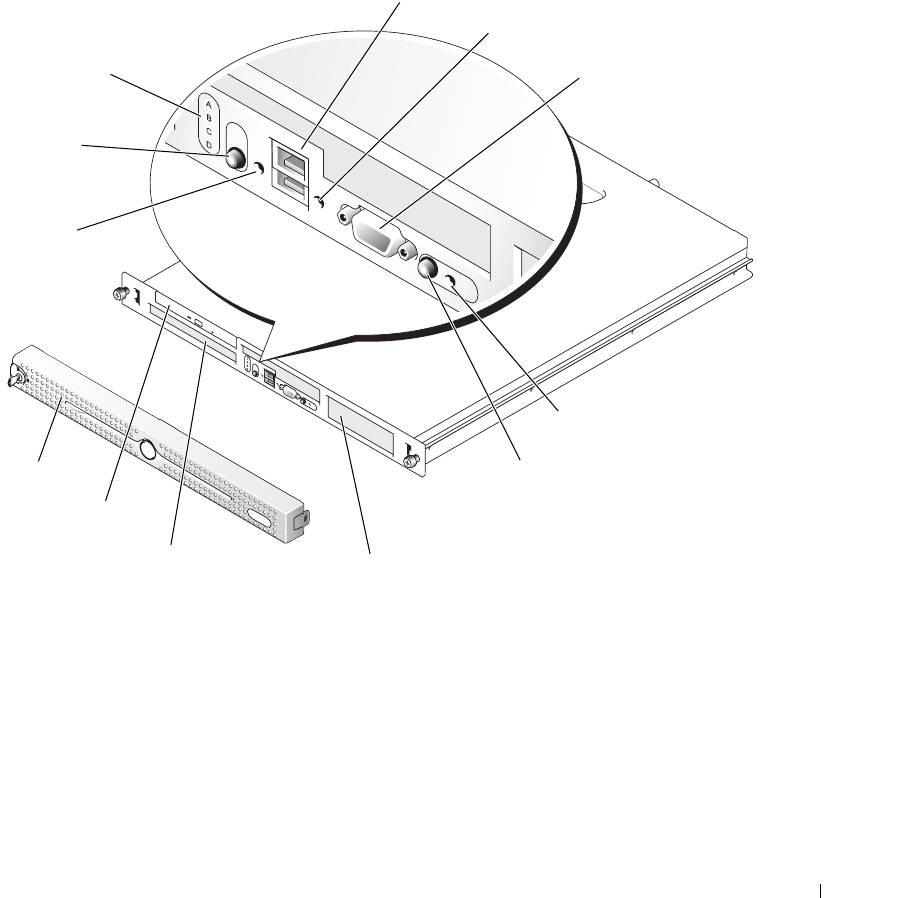
Figure 1-1
shows the controls, indicators, connectors, and features on the system front panel behind the
optional bezel. (To remove the bezel, press the latch at the left end of the bezel. See "Opening the
System
" on page 46
.)
Table 1-2 provides component descriptions.
Figure 1-1. Front-Panel Features and Indicators
3
4
2
5
1
12
6
11
7
10
9
8
About Your System 11
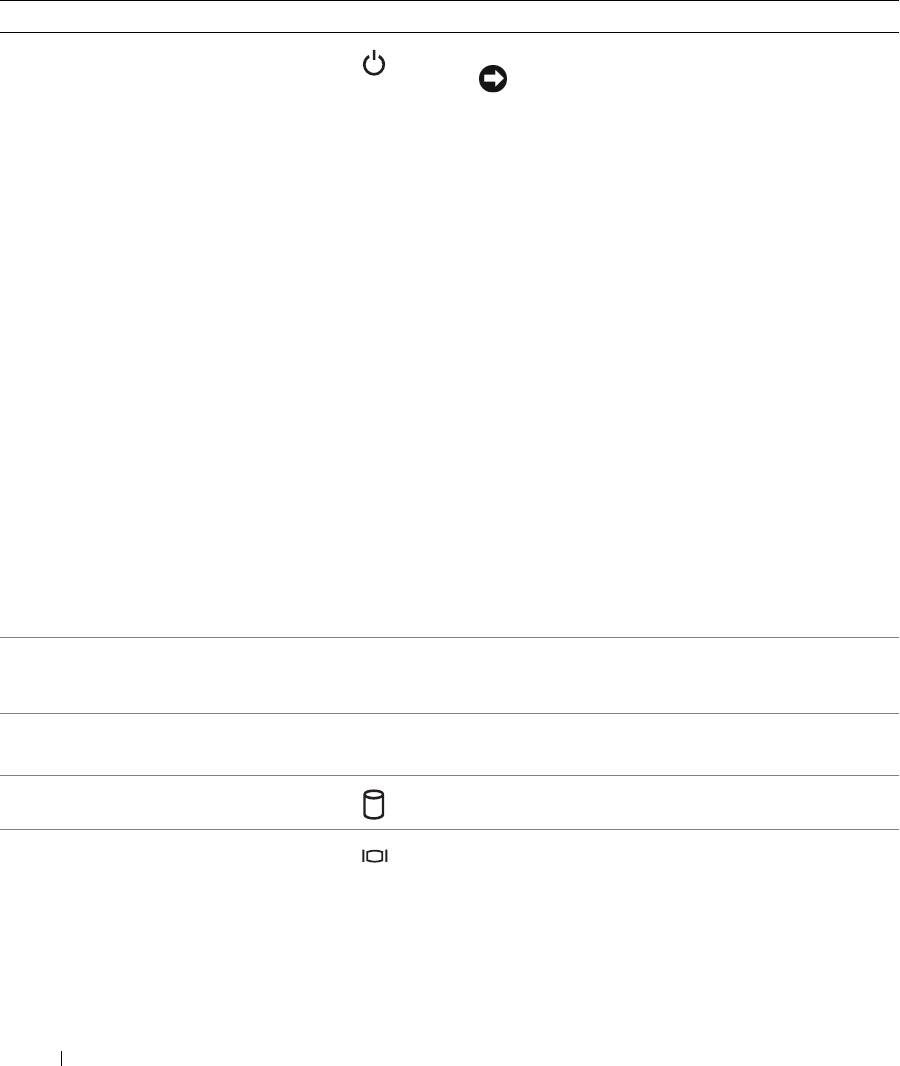
Table 1-2. Front-Panel Components
Item Component Icon Description
1 Power-on indicator, power
The power button turns system power off and on.
button
NOTICE: If you turn off the system using the power
button and the system is running an ACPI-compliant
operating system, the system can perform an orderly
shutdown before power is turned off. If the power
button is pressed for more than 4 seconds, the
system power will turn off regardless of the current
operating system state. If the system is not running
an ACPI-compliant operating system, power is
turned off immediately after the power button is
pressed.
The power button is enabled in the System Setup
program. When disabled, the button can only turn the
system power on. For more information, see "Using the
System Setup Program" on page 29 and the operating
system's documentation.
The power-on indicator lights or blinks to indicate the
status of power to the system.
The power-on indicator lights when the system is on.
The indicator is off when the system is off and power is
disconnected from the system. The indicator blinks
when the system is on but in standby state, or when the
system is off but is still connected to the power source.
To exit from the standby state, briefly press the power
button.
2 Diagnostic indicators (4) The diagnostic indicators aid in diagnosing and
troubleshooting the system. For more information, see
your Hardware Owner’s Manual.
3 USB connectors (2) Connect USB 2.0-compliant devices to the system.
4 Hard-drive activity indicator The green hard-drive activity indicator flashes when the
hard drives are in use.
5 Video connector Connects a monitor to the system.
12 About Your System
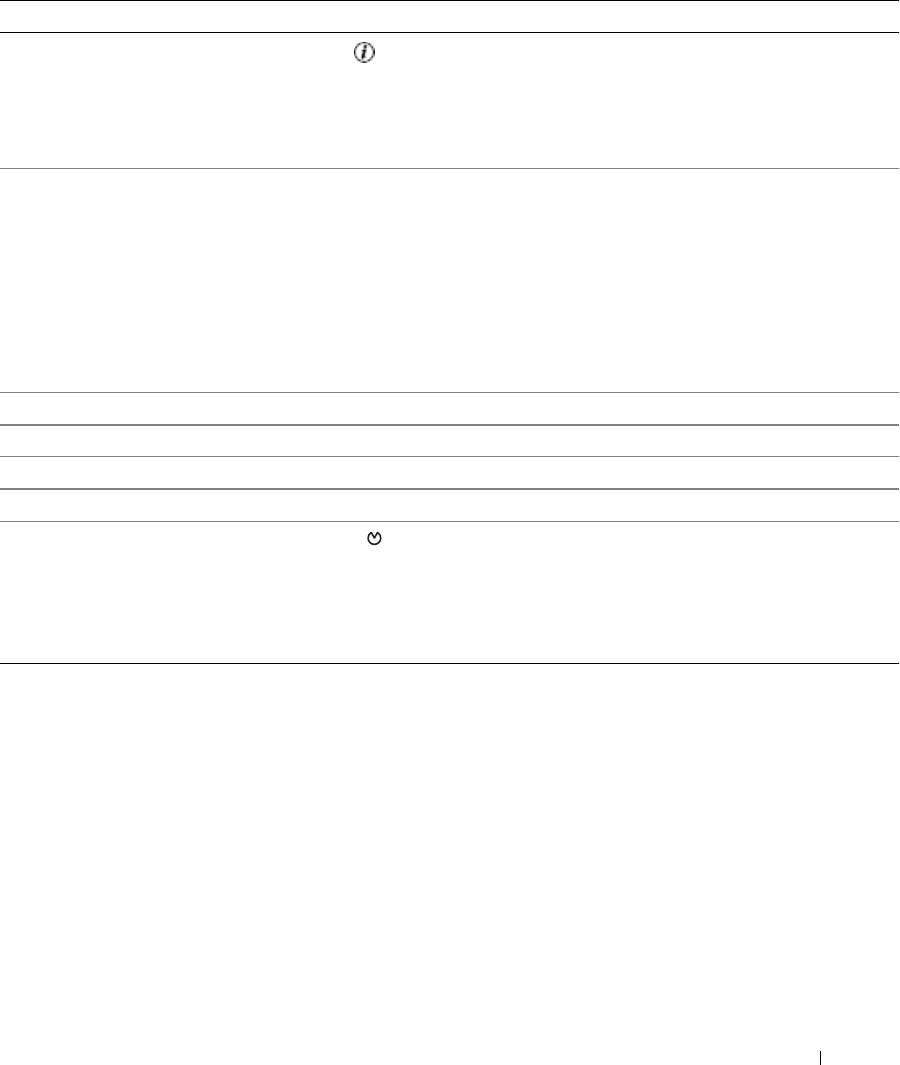
Table 1-2. Front-Panel Components (continued)
Item Component Icon Description
6 System status indicator The blue system status indicator lights up during
normal system operation.
The amber system status indicator flashes when the
system needs attention due to a system problem.
7 System identification button You can use the system identification buttons on the
front and back panels to locate a particular system
within a rack. When one of these buttons is pushed, the
blue system status indicators on the front and back
panels blink until one of the buttons is pushed again.
You can also use the systems management software to
cause the indicators to flash to identify a particular
system.
8 Hard drive 1 Optional 3.5-inch SAS or SATA hard drive.
9 Hard drive 0 A 3.5-inch SAS or SATA hard drive.
10 Optical drive Optional.
11 Bezel Optional
12 NMI button The NMI button is used to troubleshoot software and
device driver errors when using certain operating
systems. This button can be pressed using the end of a
paper clip. Use this button only if directed to do so by
qualified support personnel or by the operating system's
documentation.
About Your System 13
Back-Panel Features and Indicators
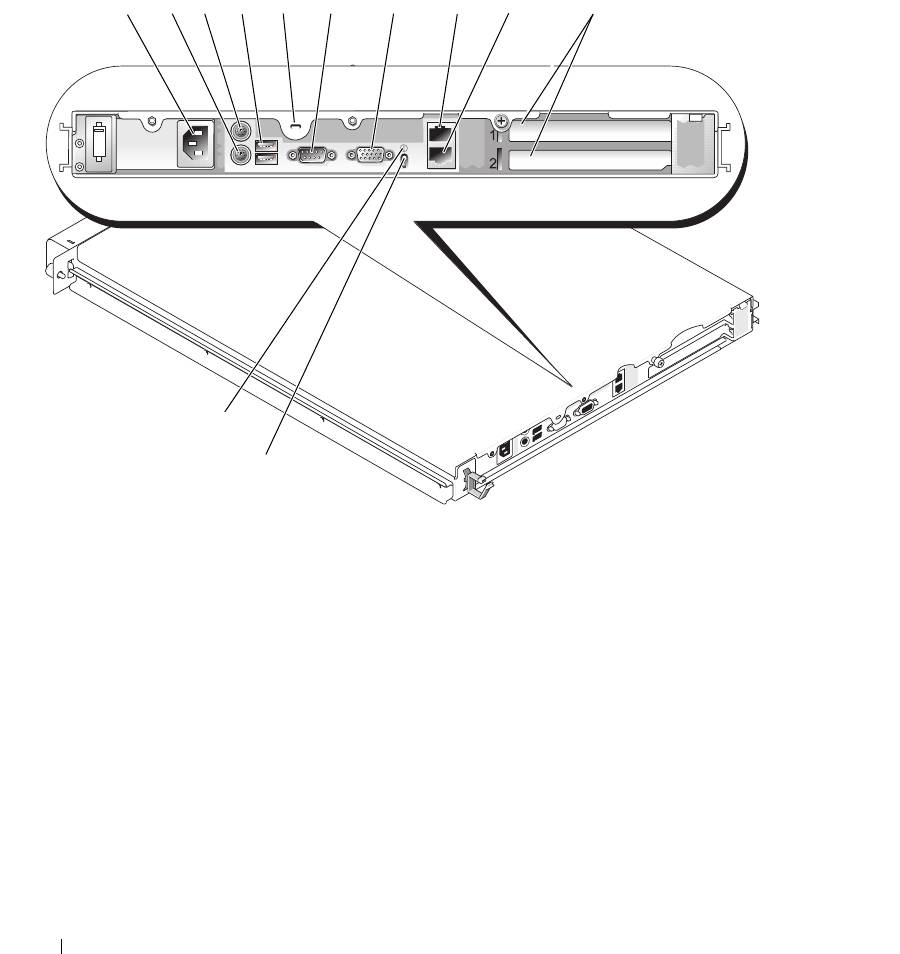
Figure 1-2 shows the controls, indicators, and connectors located on the system's back panel.
Figure 1-2. Back-Panel Features and Indicators
324 67 101
895
12
11
1 power supply connector 2 keyboard connector 3 mouse connector
4 USB connectors (2) 5 Kensington lock 6 serial connector
7 video connector 8 NIC1 connector 9 NIC2 connector
10 expansion slots (2) 11 system status indicator 12 system identification button
Connecting External Devices
When connecting external devices to your system, follow these guidelines:
• Most devices must be connected to a specific connector and device drivers must be installed before the
device operates properly. (Device drivers are normally included with your operating system software or
with the device itself.) See the documentation that accompanied the device for specific installation
and configuration instructions.
14 About Your System
• Always attach an external device while your system and the device are turned off. Next, turn on any
external devices before turning on the system (unless the documentation for the device specifies
otherwise).
See "Using the System Setup Program" on page 29 for information about enabling, disabling, and
configuring I/O ports and connectors.
NIC Indicator Codes
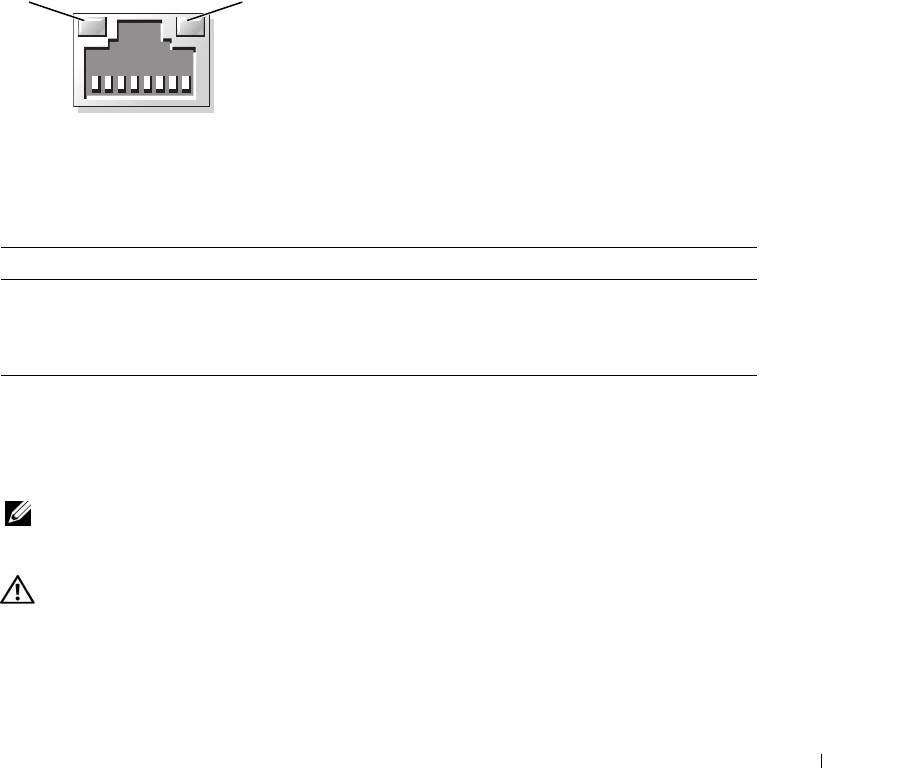
Each NIC on the back panel has an indicator that provides information on network activity and link
status. See Figure 1-3. Table 1-3 lists the NIC indicator codes.
Figure 1-3. NIC Indicators
1
2
1 link indicator 2 activity indicator
Table 1-3. NIC Indicator Codes
Indicator Indicator Code
Link and activity indicators are off. The NIC is not connected to the network.
Link indicator is green. The NIC is connected to a valid link partner on the network.
Activity indicator is blinking yellow. Network data is being sent or received.
System Messages
System messages appear on the screen to notify you of a possible problem with the system. Table 1-4 lists
the system messages that can occur and the probable cause and corrective action for each message.
NOTE: If you receive a system message that is not listed in Table 1-4, check the documentation for the application
that is running when the message appears or the operating system's documentation for an explanation of the
message and recommended action.
CAUTION: Only trained service technicians are authorized to remove the system cover and access any of the
components inside the system. Before performing any procedure, see your Product Information Guide for complete
information about safety precautions, working inside the computer and protecting against electrostatic discharge.
About Your System 15
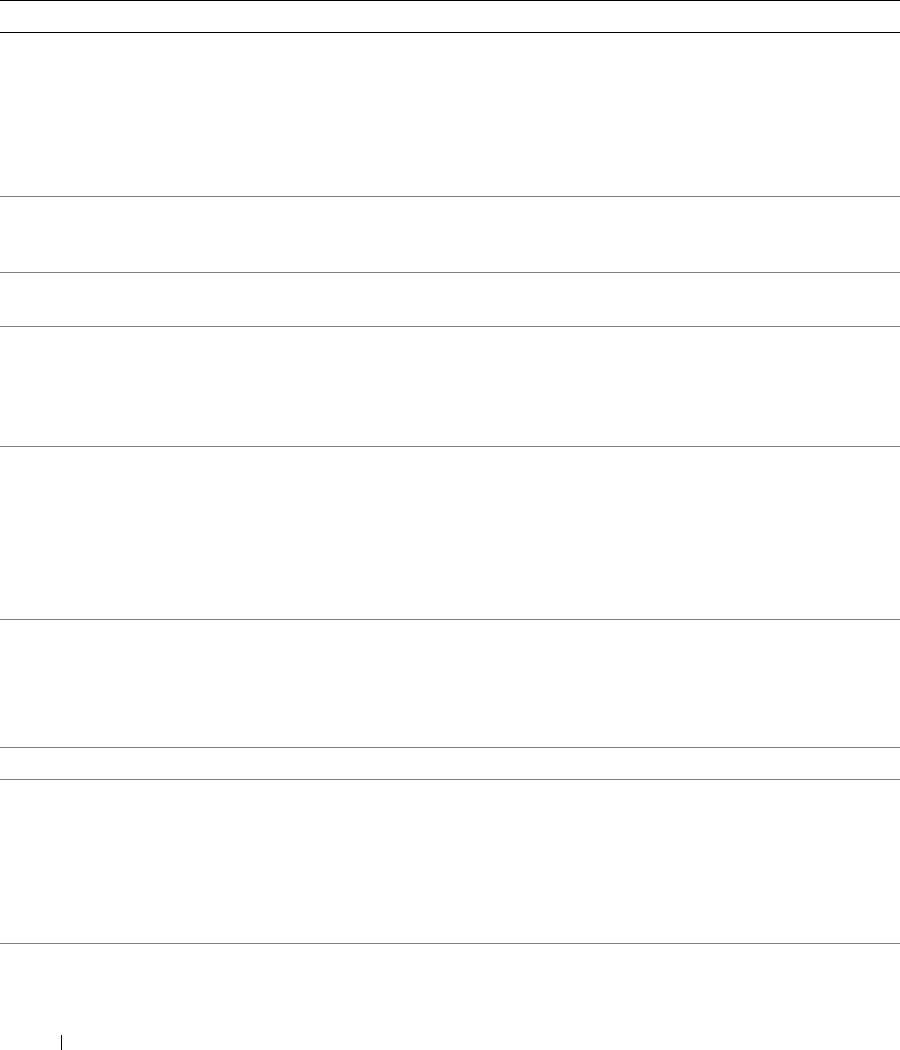
Table 1-4. System Messages
Message Causes Corrective Actions
Amount of available memory
The OS Install Mode option in the
After the operating system is installed,
limited to 256MB
System Setup program is set to On.
enter the System Setup program and set
This limits the amount of available
the OS Install Mode option to Off. See
memory to 256 MB because some
your Hardware Owner’s Manual for
operating systems will not complete
details.
installation with more than 2 GB of
system memory.
Attempting to update
Remote Configuration is in progress. Wait until the process is complete.
Remote Configuration.
Please wait....
BIOS Update Attempt
Remote BIOS update attempt failed. Retry the BIOS update. If the problem
Failed!
persists, see "Getting Help" on page 103.
Caution! NVRAM_CLR jumper
NVRAM_CLR jumper is installed. Check the System Setup configuration
is installed on system
settings. See
"Using the System Setup
board.
Program
" on page 29. Remove the
NVRAM_CLR jumper. See Figure 6-1
for jumper locations.
Data error The diskette drive or hard drive
For the operating system, run the
cannot read the data.
appropriate utility to check the file
structure of the diskette drive or hard
drive.
See your operating system
documentation for information on
running these utilities.
Decreasing available
One or more memory modules might
Reinstall the memory modules and, if
memory
be improperly seated or faulty.
necessary, replace them. See "System
Memory" on page 67.
See "Troubleshooting System Memory"
on page 88.
Diskette read failure Faulty or improperly inserted diskette. Replace the diskette.
Diskette subsystem reset
Faulty diskette drive or optical drive
Ensure that the diskette drive and
failed
controller.
optical drive cables are properly
connected. See "Troubleshooting a USB
Device" on page 83 and
"Troubleshooting an Optical Drive" on
page 89. If the problem persists, see
"Getting Help" on page 103.
Drive not ready Diskette missing or improperly
Reinsert or replace the diskette.
inserted in diskette drive.
16 About Your System
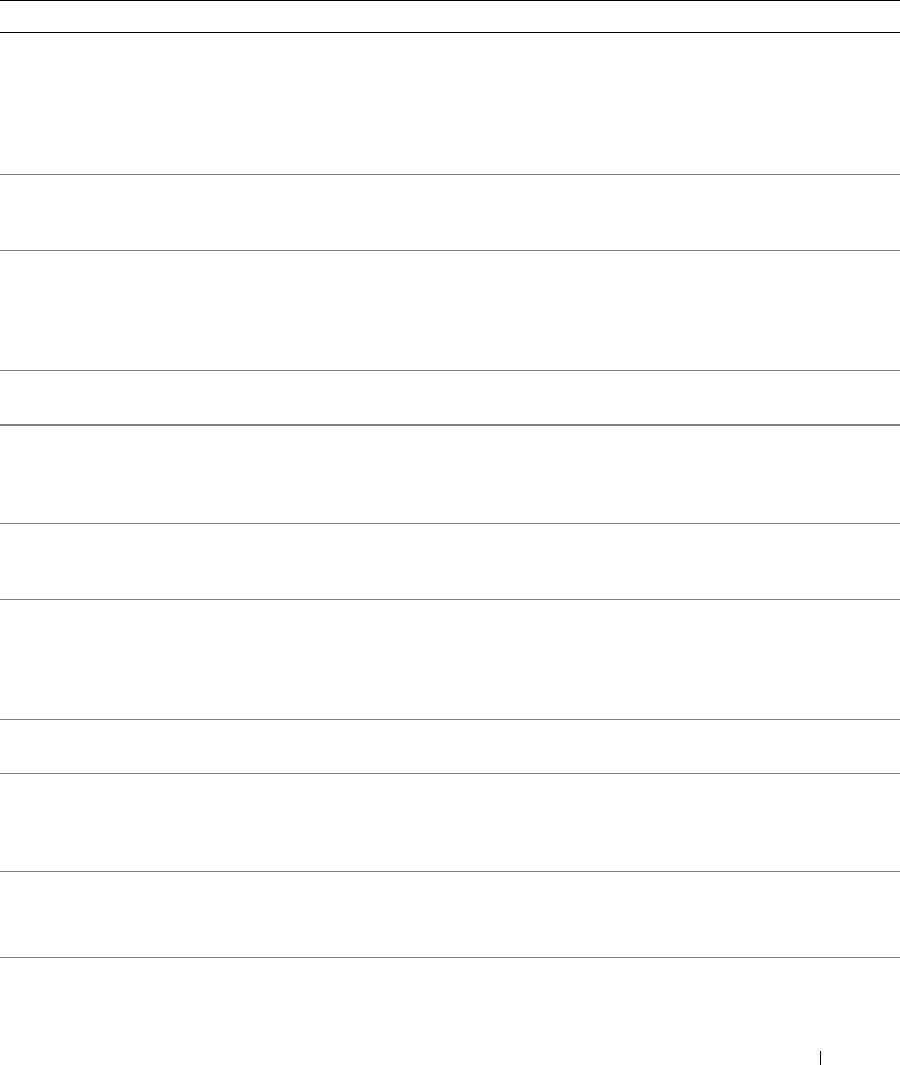
Table 1-4. System Messages (continued)
Message Causes Corrective Actions
Error: Incorrect memory
The installed memory modules are
See "Memory Module Installation
configuration. Ensure
not matched pairs.
Guidelines" on page 68.
memory in slots DIMM1_A
and DIMM1_B, DIMM2_A and
DIMM2_B match identically
in size, speed and rank.
Error: Remote Access
Faulty or improperly installed RAC. Ensure that the RAC is properly
Controller initialization
installed. See "Troubleshooting
failure.
Expansion Cards" on page 91.
Error 8602: Auxiliary
Loose or improperly connected mouse
Replace the mouse. If the problem
device failure. Verify
or keyboard cable; faulty mouse or
persists, replace the keyboard.
that mouse and keyboard
keyboard.
are securely attached to
correct connectors.
Gate A20 failure Faulty keyboard controller (faulty
See "Getting Help" on page 103.
system board).
General failure The operating system is unable to
This message is usually followed by
carry out the command.
specific information. Take the
appropriate action to resolve the
problem.
IDE Primary drive 0 not
Primary drive 0 set as Auto, no disk. Run the System Setup program to
found
correct the settings. See
"Using the
System Setup Program
" on page 29.
Invalid memory
Unsupported DIMMs are installed in
Replace or reconfigure the DIMMs. See
configuration detected.
the system, or the memory
"System Memory" on page 67 for
Potential for data
configuration is incorrect.
memory configuration guidelines, a list
corruption exists!
of supported DIMMs, and supported
memory configurations.
Keyboard controller
Faulty keyboard controller (faulty
See "Getting Help" on page 103.
failure
system board).
Keyboard data line failure
Loose or improperly connected
Ensure that the keyboard is properly
keyboard cable; faulty keyboard; faulty
connected. If the problem persists,
Keyboard failure
keyboard controller.
replace the keyboard. If the problem
Keyboard stuck key failure
persists, see "Getting Help" on page 103.
Keyboard fuse has failed. Keyboard fuse has failed. Replace the keyboard.
Faulty system board. If the problem persists, the system board
is faulty. See "Getting Help" on page 103.
Manufacturing mode
System is incorrectly configured.
detected
About Your System 17
Table 1-4. System Messages (continued)
Message Causes Corrective Actions
Memory address line
Faulty or improperly installed memory
Ensure that all memory modules are
failure at
address
, read
modules, or faulty system board.
properly installed. See "Troubleshooting
value
expecting
value
System Memory" on page 88. If the
problem persists, see "Getting Help" on
Memory double word logic
page 103.
failure at
address
, read
value
expecting
value
Memory odd/even logic
failure at
start address
to
end address
Memory write/read failure
at
address
, read
value
expecting
value
Memory tests terminated by
The spacebar was pressed during
Information only.
keystroke
POST to terminate the memory test.
No boot device available The system cannot find the diskette or
If the diskette drive is your boot device,
hard drive.
ensure that a bootable disk is in the
drive.
If the hard drive is your boot device,
ensure that the hard drive is installed,
properly seated, and partitioned as a
boot device.
Enter the System Setup program and
verify the boot sequence information.
See your Hardware Owner’s Manual for
details.
No boot sector on
The system configuration information
Enter the System Setup program and
hard-disk drive
in the System Setup program might
verify the system configuration
be incorrect.
information for the hard drive. See your
Hardware Owner’s Manual for details.
If the message continues to appear after
verifying the information in the System
Setup program, the operating system
might have been corrupted.
Reinstall the
operating system. See your operating
system documentation for reinstallation
information.
No timer tick interrupt A chip on the system board might be
Run the system diagnostics. See
malfunctioning.
"Running the System Diagnostics" on
page 93.
18 About Your System
Table 1-4. System Messages (continued)
Message Causes Corrective Actions
Not a boot diskette The operating system is trying to boot
Insert a diskette that has a bootable
from a diskette that does not have a
operating system.
bootable operating system installed
on it.
PCI BIOS failed to install PCI device BIOS (Option ROM)
Ensure that all appropriate cables are
checksum failure is detected during
securely connected to the expansion
shadowing.
cards. If the problem persists, see
"Troubleshooting Expansion Cards" on
page 91.
PCIe Degraded Link Width
Faulty or improperly installed PCIe
Reseat the PCIe cards. See "Expansion
Error: Embedded
card.
Cards" on page 63. If the problem
Bus#
nn
/Dev#
nn
/Func
n
persists, see "Getting Help" on page 103.
Expected Link Width is
n
Actual Link Width is
n
PCIe Degraded Link Width
Faulty or improperly installed PCIe
Reseat the PCIe card in the specified
Error: Slot
n
card in the specified slot number.
slot number. See "Expansion Cards" on
page 63. If the problem persists, see
Expected Link Width is
n
"Getting Help" on page 103.
Actual Link Width is
n
PCIe Training Error:
Faulty or improperly installed PCIe
Reseat the PCIe cards. See "Expansion
Embedded
card.
Cards" on page 63. If the problem
Bus#
nn
/Dev#
nn
/Func
n
persists, see "Getting Help" on page 103.
PCIe Training Error:
Faulty or improperly installed PCIe
Reseat the PCIe card in the specified
Slot
n
card in the specified slot number.
slot number. See "Expansion Cards" on
page 63. If the problem persists, see
"Getting Help" on page 103.
Plug & Play Configuration
Error encountered in initializing PCI
Install the NVRAM_CLR jumper and
Error
device; faulty system board.
reboot the system. See Figure 6-1 for
jumper location. Check for a BIOS
update. If the problem persists, see
"Troubleshooting Expansion Cards" on
page 91. If the problem persists, see
"Getting Help" on page 103.
Primary drive 0/1
Faulty drive. Parameters failure. Ensure that the hard drive cables are
configuration error
properly connected. See
"Troubleshooting a Hard Drive" on
page 90.
About Your System 19
Table 1-4. System Messages (continued)
Message Causes Corrective Actions
Primary drive 0/1 failure Faulty drive. INT13 call failure from
Ensure that the hard drive cables are
the drive.
properly connected. See
"Troubleshooting a Hard Drive" on
page 90.
Read fault
The operating system cannot read
Replace the diskette. Ensure that the
from the diskette or hard drive, the
diskette and hard-drive cables are
Requested sector not found
system could not find a particular
properly connected. See
sector on the disk, or the requested
"Troubleshooting a USB Device" on
sector is defective.
page 83, "Troubleshooting a Hard Drive"
on page 90, or "Troubleshooting a Hard
Drive" on page 90 for the appropriate
drive(s) installed in your system.
Remote Configuration
System could not implement Remote
Retry Remote Configuration.
update attempt failed
Configuration request.
ROM bad checksum =
address
Faulty or improperly installed
Remove and reseat the expansion cards.
expansion card.
See "Troubleshooting Expansion Cards"
on page 91.
SATA port 0/1 hard disk
Faulty drive. Parameters failure. Ensure that the hard drive cables are
drive configuration error
properly connected. See
"Troubleshooting a Hard Drive" on
page 90.
SATA port 0/1 hard disk
Faulty drive. INT13 call failure from
Ensure that the hard drive cables are
drive failure
the drive.
properly connected. See
"Troubleshooting a Hard Drive" on
SATA port 0/1 hard disk
page 90.
drive auto-sensing error
SATA Port 0/1 hard disk not
SATA Port0/1 set as Auto, no disk
Run the System Setup program to
found
installed.
correct the settings. See "Using the
System Setup Program" on page 29.
Sector not found
Faulty diskette or hard drive. See "Troubleshooting a USB Device" on
page 83, "Troubleshooting a Hard Drive"
Seek error
on page 90, or "Troubleshooting a Hard
Seek operation failed
Drive" on page 90 for the appropriate
drive installed in your system.
Shutdown failure Shutdown test failure. Ensure that all memory modules are
properly installed. See "Troubleshooting
System Memory" on page 88. If the
problem persists, see "Getting Help" on
page 103.
20 About Your System