
Beurer BM 75: Range of blood pressure values Systolic Resting indicator measurement (using HSD diagnostics) RED: Lack of haemodynamic stability GREEN: Haemodynamic stability
Range of blood pressure values Systolic Resting indicator measurement (using HSD diagnostics) RED: Lack of haemodynamic stability GREEN: Haemodynamic stability: Beurer BM 75
Table of contents
- 2. Important information 1. Getting to know your instrument Signs and symbols
- Advice on use
- Advice on batteries Storage and Care Repair and disposal
- 3. Device description
- Information on the display: USB interface System requirements for the Beurer „HealthManager“ PC software
- 4. Preparing the measurement Setting the hour format, date and time Inserting the batteries
- 5. Measuring blood pressure Positioning cuff Operation with the mains part
- Performing the blood pressure measurement Correct posture
- WHO classification: 6. Evaluating results Cardiac arrhythmia:
- Range of blood pressure values Systolic Resting indicator measurement (using HSD diagnostics) RED: Lack of haemodynamic stability GREEN: Haemodynamic stability
- 7. Displaying and deleting measurements
- 8. Transferring measurements USB interface NFC
- 9. Cleaning and storing the instrument 11. Specifications 10. Rectifying faults
- 12. Mains part
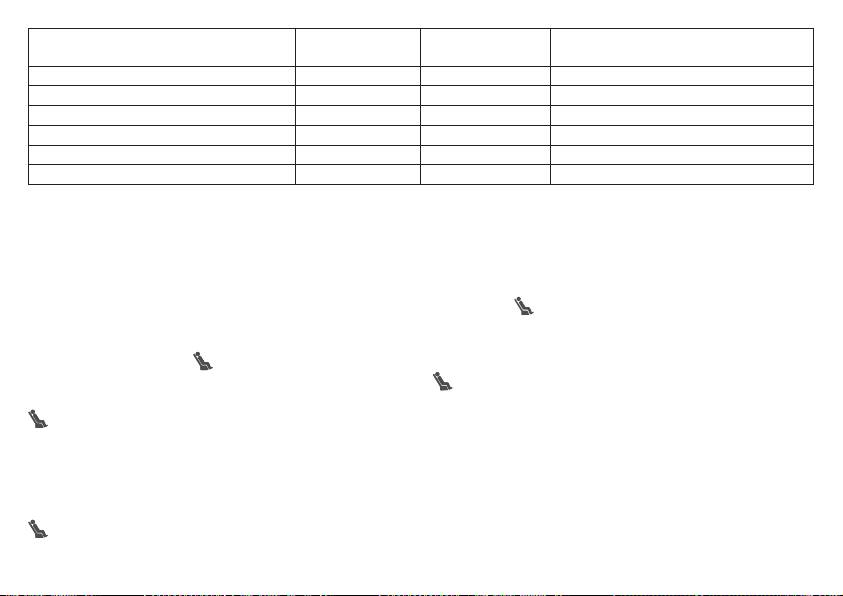
Range of blood pressure values Systolic
Diastolic
Measure
(in mmHg)
(in mmHg)
Grade 3: Severe hypertension ≥ 180 ≥ 110 Seek medical advice
Grade 2: Moderate hypertension 160 – 179 100 – 109 Seek medical advice
Grade 1: Mild hypertension 140 – 159 90 – 99 Have it checked regularly by doctor
High-normal 130 – 139 85 – 89 Have it checked regularly by doctor
Normal 120 – 129 80 – 84 Check it yourself
Optimal < 120 < 80 Check it yourself
Source: WHO, 1999
Resting indicator measurement (using HSD diagnostics)
In this case, the measurement should be repeated after a pe-
The most frequent error made when measuring blood pressure
riod of physical and mental rest. The blood pressure measure-
is taking the measurement when not at rest (haemodynamic
ment must be taken when the patient is physically and mentally
stability), which means that both the systolic and the diastolic
rested, as it will be the basis for diagnosing the blood pressure
blood pressures are incorrect in this case.
level and regulating the patient’s medical treatment.
While measuring the blood pressure, the device automatically
If the symbol
does not light up green or red, then it could
determines whether you are at rest or not.
not be determined whether the circulatory system was suf-
If there is no indication that the circulatory system is not suf-
ficiently at rest or not. In this case, the measurement should be
ficiently at rest, the symbol
(haemodynamic stability) lights
repeated after a period of physical and mental rest.
up green and the measurement can be recorded as a reliable
RED: Lack of haemodynamic stability
resting blood pressure value.
It is very probable that the systolic and diastolic blood pressures
GREEN: Haemodynamic stability
have not been measured whilst the patient is at rest and the rest-
ing blood pressure measurement has therefore been distorted.
Measurement of the systolic and diastolic pressure is in-
Repeat the measurement after a rest and relaxation period of
creased when the circulatory system is sufficiently at rest and
at least five minutes. Go to a sufficiently quiet and comfortable
is a very reliable indicator of resting blood pressure.
spot and remain there calmly; close your eyes, breathe deeply
However, if there is an indication that the circulatory system is
and evenly and try to relax.
not sufficiently at rest (haemodynamic instability), the symbol
If the next measurement also shows insufficient stability, you
lights up red.
can repeat the measurement after another resting period. If the
measurements continue to show some instability, identify these
26
