
Nikon 16-35MM F 4G AF-S VR ZOOM-NIKKOR: инструкция
Раздел: Аксессуары для фото- и видеотехники
Тип: Объектив
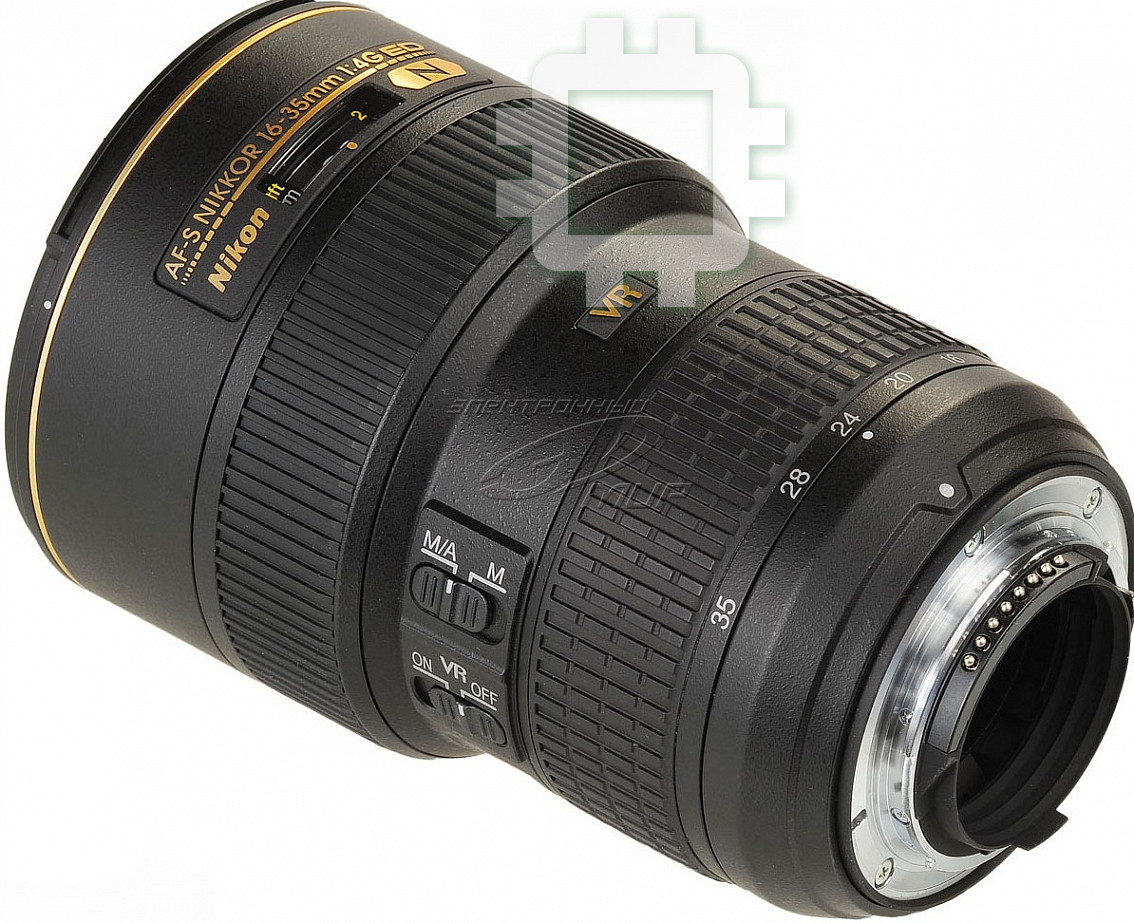
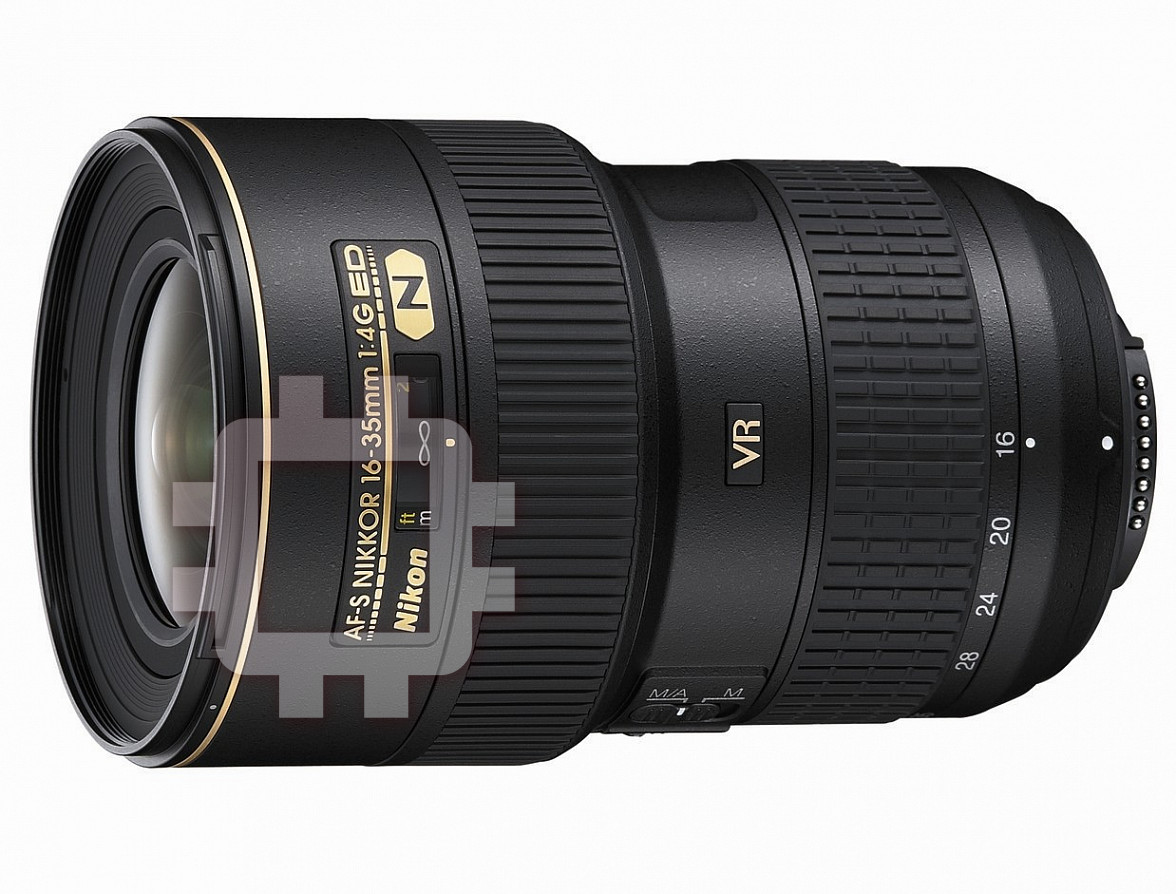
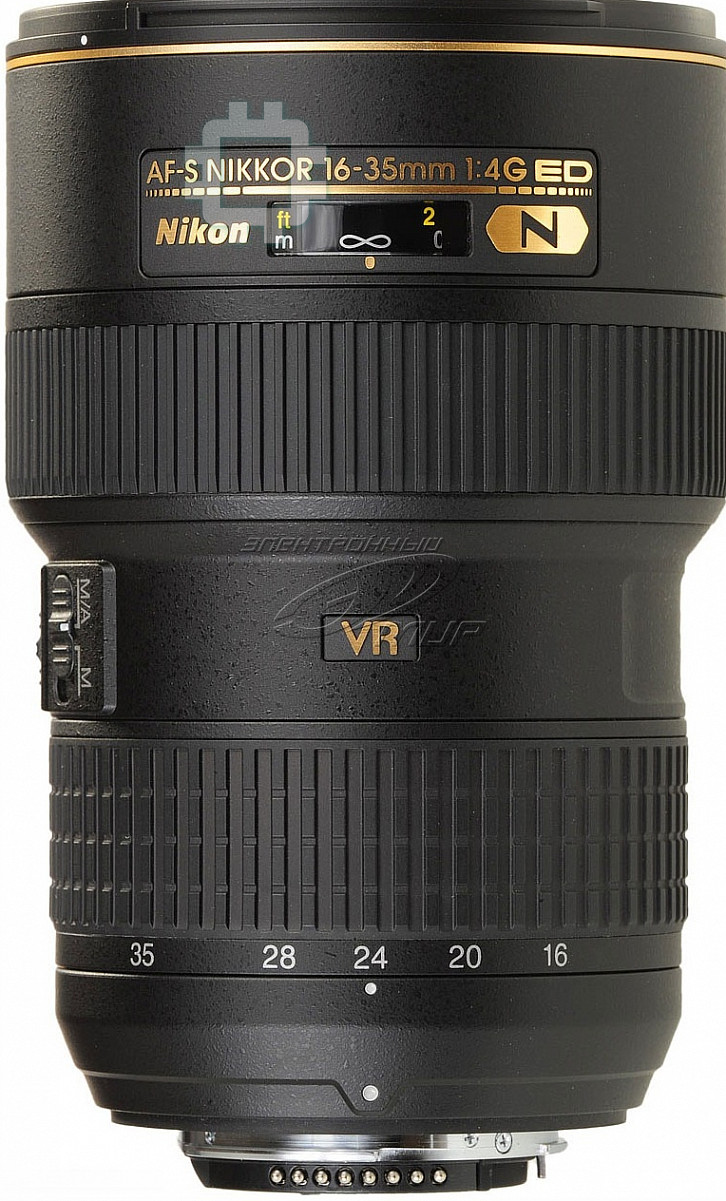
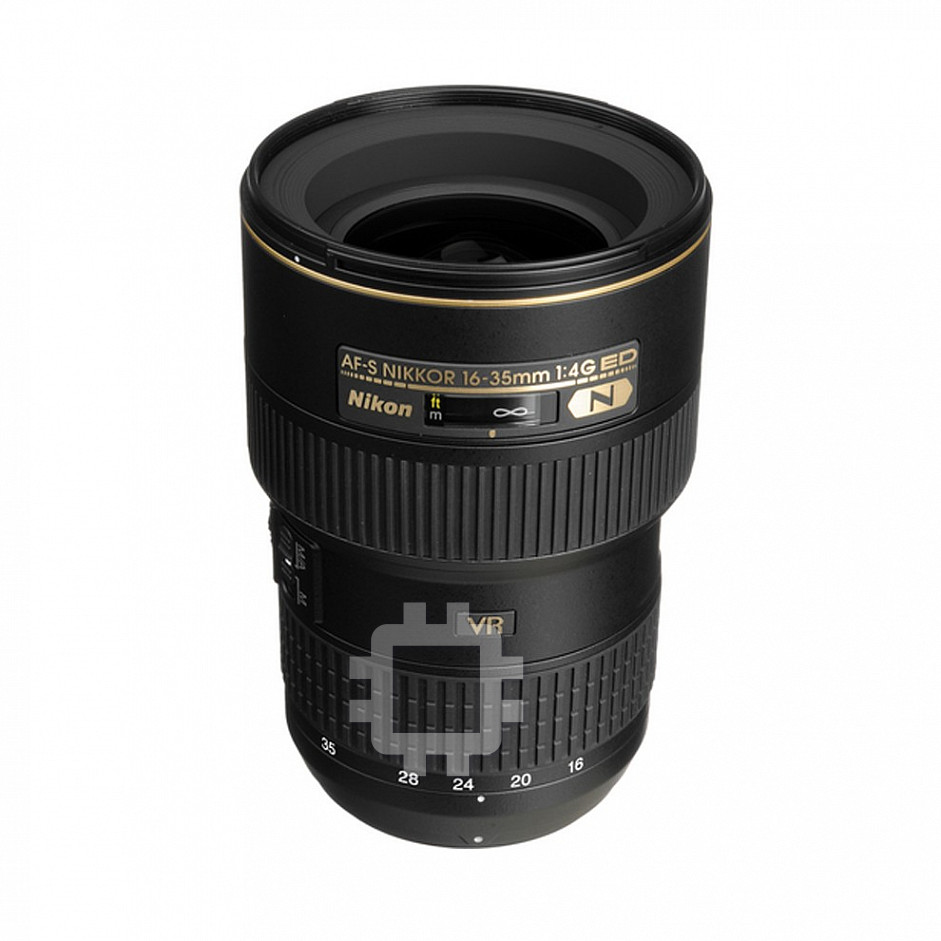
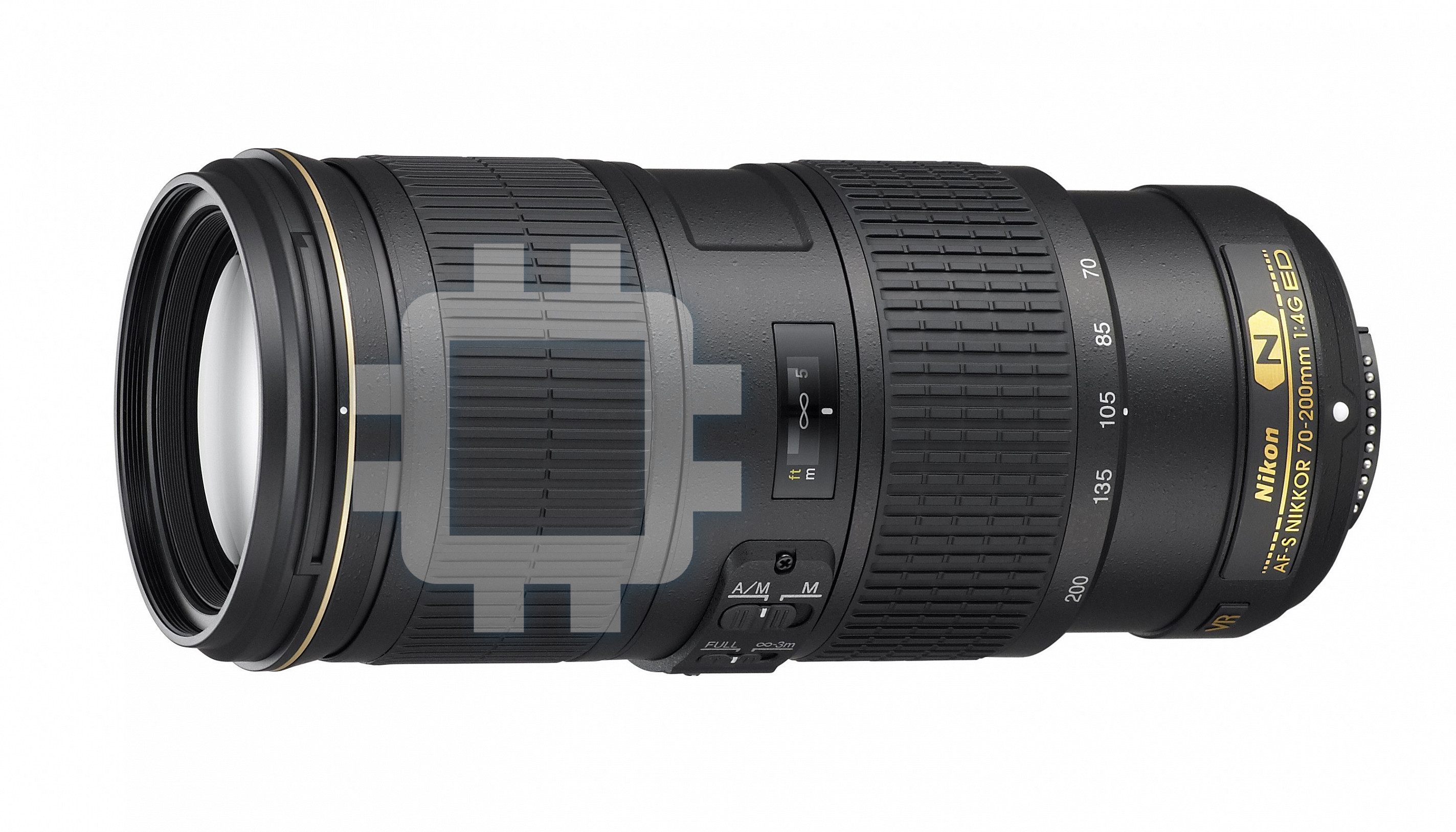
Инструкция к Объективу Nikon 16-35MM F 4G AF-S VR ZOOM-NIKKOR
Оглавление
- Примечания по безопасности использования
- Компоненты
- Основные возможности Совместимые фотокамеры и доступные функции
- Фокусировка (рис. A) Фотокамеры
- Режим подавления вибраций (рис. B) Фокусировка, зуммирование и глубина резко изображаемого пространства
- Использование бленды Установка диафрагмы Встроенная вспышка и виньетирование
- Рекомендуемые фокусировочные экраны Уход за объективом
- Технические характеристики Стандартн ые принадлежност и Дополнительн а я принадлежност
- Фокусировка:
- Примечания относительно использования широкоугольных и сверхширокоугольных объективов AF NIKKOR
AF-S NIKKOR 16-35mm f/4G ED VR
AF-S NIKKOR 16-35mm f/4G ED VR
Sv
P. 2
P. 74
P. 14
P. 84
S. 24
STR. 94
P. 34
STR.
104
P. 44
使用说明书
P. 114
S. 54
P. 126
Printed in Japan
TT9J02(E3)
CTP. 64
P. 136
© 2009 Nikon Corporation
7MAA63E3-02 S G01
安全上のご注意
Jp
ご使用の前に「安全上のご注意」をよくお読みのうえ、正しくお使いください。この「安全上のご注意」は製品を
安全に正しく使用していただき、あなたや他の人々への危害や財産への損害を未然に防止するために、重要な内容
En
を記載しています。お読みになった後は、お使いになる方がいつでも見られる所に必ず保管してください。
De
表示について
表示と意味は次のようになっています。
Fr
この表示を無視して、誤った取り扱いをすると、人が死亡または重傷を負う可能性が想定される
Es
警告
内容を示しています。
この表示を無視して、誤った取り扱いをすると、人が傷害を負う可能性が想定される内容および
Se
注意
物的損害の発生が想定される内容を示しています。
Ru
お守りいただく内容の種類を、次の絵表示で区分し、説明しています。
Nl
絵表示の例
It
記号は、注意(警告を含む)を促す内容を告げるものです。図の中や近くに具体的な注意内容
(左図の場合は感電注意)が描かれています。
Cz
記号は、禁止の行為(してはいけないこと)を告げるものです。図の中や近くに具体的な禁止内容
Sk
(左図の場合は分解禁止)が描かれています。
●記号は、行為を強制すること(必ずすること)を告げるものです。図の中や近くに具体的な強制内容
Ck
(左図の場合は電池を取り出す)が描かれています。
Ch
Kr
2
警告
注意
Jp
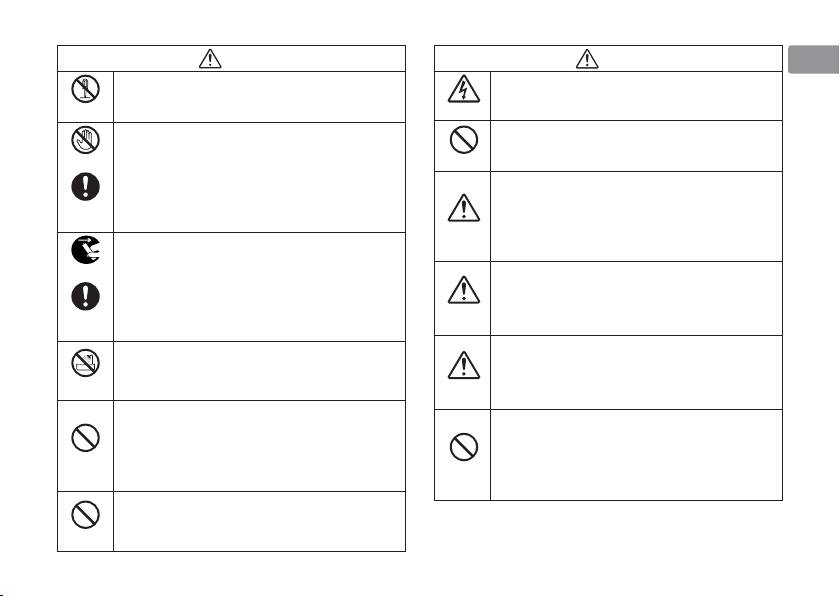
分解したり、修理や改造をしないこと
ぬれた手でさわらないこと
En
感電したり、異常動作をしてケガの原因となります。
感電の原因になることがあります。
分解禁止
感電注意
製品は幼児の手の届かないところに置くこと
De
落下などによって破損し、内部が露出した
ケガの原因になることがあります。
接触禁止
ときは、露出部に手を触れないこと
放置禁止
Fr
感電したり、破損部でケガをする原因となります。
逆光撮影では、太陽を画角から充分にずら
カメラの電池を抜いて、販売店またはニコンサー
すこと
すぐに
ビス機関に修理を依頼してください。
Es
修理依頼を
太陽光がカメラ内部で焦点を結び、火災の原因に
使用注意
なることがあります。画角から太陽をわずかに外
熱くなる、煙が出る、こげ臭いなどの異常時
しても火災の原因になることがあります。
Se
は、速やかにカメラの電池を取り出すこと
電池を取る
使用しないときは、レンズにキャップをつけ
そのまま使用すると火災、やけどの原因となりま
Ru
るか太陽光のあたらない所に保管すること
す。電池を取り出す際、やけどに充分注意してく
太陽光が焦点を結び、火災の原因になることがあ
ださい。電池を抜いて、販売店またはニコンサー
保管注意
すぐに
ります。
Nl
修理依頼を
ビス機関に修理を依頼してください。
三脚にカメラやレンズを取り付けたまま移動
水につけたり、水をかけたり、雨にぬらし
It
しないこと
たりしないこと
水かけ禁止
転倒したりぶつけたりしてケガの原因になること
発火したり感電の原因となります。
移動注意
Cz
があります。
引火、爆発のおそれのある場所では使用し
窓を閉め切った自動車の中や直射日光が当
ないこと
Sk
たる場所など、異常に温度が高くなる場所
プロパンガス・ガソリンなど引火性ガスや粉塵の
に放置しないこと
使用禁止
発生する場所で使用すると、爆発や火災の原因と
放置禁止
Ck
内部の部品に悪い影響を与え、火災の原因となる
なります。
ことがあります。
レンズまたはカメラで直接太陽や強い光を
Ch
見ないこと
見ないこと
失明や視力障害の原因となります。
Kr
3
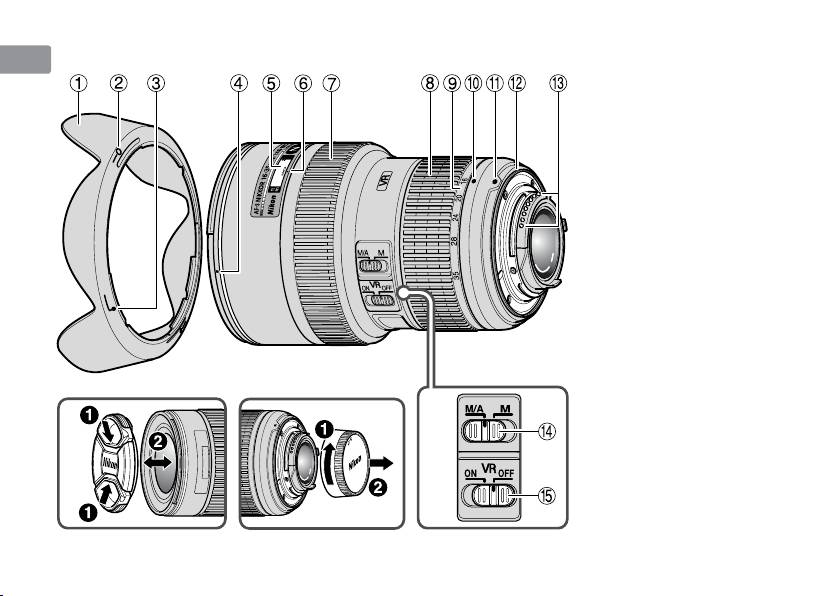
■各部の名称
Jp
1フード(P.8)
En
2フードセット指標(P.8)
3フード取り付け指標(P.8)
De
4フード着脱指標(P.8)
Fr
5距離目盛(P.7)
6距離目盛基準線
Es
7フォーカスリング(P.6)
8ズームリング(P.7)
Se
9焦点距離目盛
Ru
0焦点距離目盛基準線
!レンズ着脱指標
Nl
@レンズマウントゴムリング
(P.10)
It
#CPU 信号接点(P.10)
Cz
$フォーカスモード切り換え
スイッチ(P.6)
Sk
A
%手ブレ補正スイッチ(P.7)
Ck
( ):参照頁
Ch
B
Kr
4
このたびはニッコールレンズをお買い上げくださいまして、誠にありがとうございます。ご使用の前に、
Jp
この使用説明書をよくお読みの上、正しくお使いください。また、カメラの使用説明書もご覧ください。
En
■主な特長
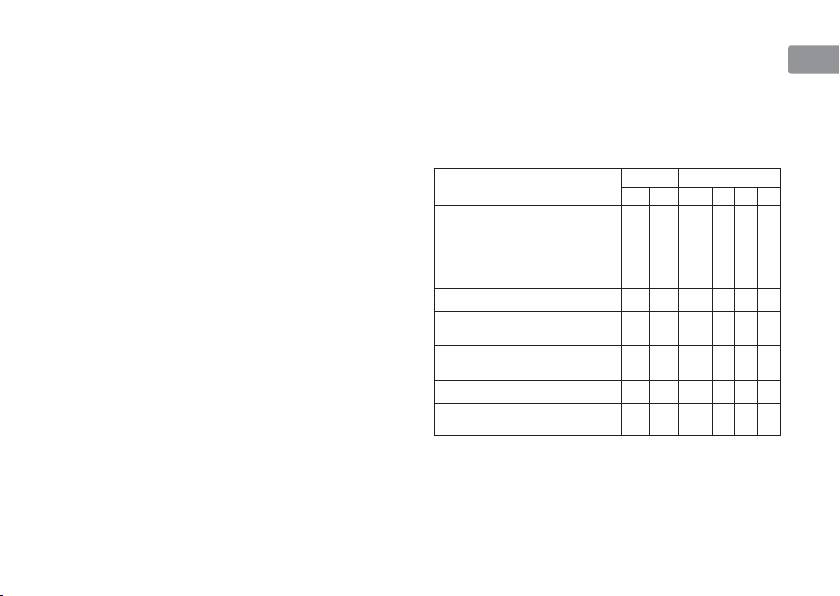
■使用できる機能
●
ナノクリスタルコート(Nano Crystal Coat)を一
カメラによって使用できる機能には制限・制約があり
De
部のレンズに施したことにより、強い太陽光が当た
ますので、カメラの使用説明書でもご確認ください。
る屋外撮影から、スポットライトのある室内撮影ま
Fr
機 能
露出(撮影)モード
カメラ
で、クリアーで抜けの良い画像を提供します。
※1
VR AF P
SAM
●
手ブレ補正機能(VRⅡ)を使用すると、使わないと
Es
FX フォーマット /DX フォー
※
きと比べ約 4 段分
シャッタースピードを遅くして
マットのニコンデジタル一眼
撮影できるため、シャッタースピードの選択範囲が
レフカメラ、
○ ○ ○ ○○○
Se
F6、F5、F100、F80
シリーズ
、
広がり、幅広い領域で手持ち撮影が可能です。(※当
ニコン
U2、
ニコン
U
Ru
社測定条件によります。また、手ブレ補正効果は、
※2
プロネア
600i、
プロネア
S
× ○ ○ ○○○
撮影者や撮影条件によって異なります。)
F4
シリーズ
、F90X
シリーズ
、
Nl
●
ニコン独自の ED(特殊低分散)ガラスによる色収差
× ○ ○ ○××
F90
シリーズ
、F70D
の補正とともに、非球面レンズや良好なボケ味が得
ニコン
Us、F60D、F50D、
It
られる円形絞りの採用により優れた光学性能、描写
× × ○ ○○○
F-401
シリーズ
性能を発揮します。
F-801
シリーズ
、F-601M × × ○ ○ × ×
Cz
ご注意
F3AF、F-601、F-501、
× × × ×××
●
ニコン DX フォーマットのニコンデジタル一眼レフ
MF
カメラ
(F-601M を除く)
Sk
カメラ(D300 シリーズ、D90 など)に装着すると、
○:
使用可
×:
使用不可
VR:
手ブレ補正
AF:
オートフォーカス
対角線画角は 83ー 44となり、35mm 判換算では
※ 1:P には AUTO(オート)モード、イメージプログラ
Ck
焦点距離約 24mm ー 52.5mm 相当のレンズになり
ムモードを含みます。
ます。
※ 2:M モードの設定はありません。
Ch
Kr
5
■ピント合わせの方法(図 A)
オートフォーカスが苦手な被写体について
Jp
「広角・超広角レンズのオートフォーカス撮影について」
ご使用のカメラや撮影目的によって、下表のようなピン
En
ト合わせが選択できます。
(P.12)をご覧ください。
M/A(マニュアル優先オートフォーカスモード)の使い方
De
a
レンズのフォーカスモード切り換えスイッチを
Fr
[M/A] にセットします。
b
AF(オートフォーカス)撮影時、カメラのシャッター
Es
ボタンを半押ししたまま、あるいはAF作動(AF-ON)
ボタンを保持したまま、フォーカスリングを手で回
Se
転させると、瞬時に MF(マニュアルフォーカス)撮
影が行えます。
Ru
c
カメラのシャッターボタンの半押しやAF 作動
Nl
(AF-ON)ボタンを再度操作すると AF(オートフォ
ーカス)で撮影が可能となります。
It
カメラの
レンズのフォーカスモード
カメラ
フォーカスモード
M/A M
Cz
FX フォーマット /DX フォーマットのニコンデジタル一眼
マニュアル優先
マニュアルフォーカス
AF(C/S)
レフカメラ、F6、F5、F4 シリーズ、F100、F90X シリーズ、
オートフォーカス
(フォーカスエイド可)
Sk
F90 シリーズ、F80 シリーズ、F70D、ニコン U2、
マニュアルフォーカス
MF
ニコン U、プロネア 600i、プロネア S
(フォーカスエイド可)
Ck
ニコン Us、F60D、F50D、F-801 シリーズ、
AF(C/S)
マニュアルフォーカス
F-401 シリーズ、F-601M
MF
(F-601M を除きフォーカスエイド可)
Ch
Kr
6

●
■手ブレ補正機能(図 B)
AF 作動(AF-ON)ボタンのあるカメラで、AF 作動
Jp
ボタンを押しても、手ブレ補正は作動しません。
手ブレ補正スイッチの使い方
●
三脚を使用するときは、手ブレ補正スイッチを[OFF]
ON: シャッターボタンを半押しすると、手ブレを補
En
にしてください。ただし、三脚を使っても雲台を固
正します。ファインダー像のブレも補正するた
定しないときや、一脚を使用するときには、スイッ
め、ピント合わせが容易で、フレーミングしや
De
チを[ON]にすることをおすすめします。
すくなります。
●
手ブレ補正が使用できないカメラ(P.5)では、必ず、
OFF: 手ブレを補正しません。
Fr
手ブレ補正スイッチを[OFF]にしてください。特
手ブレ補正使用時のご注意
にプロネア 600i では、このスイッチを[ON]にし
Es
●
シャッターボタンを半押し後、ファインダー像が安
たままにすると、電池の消耗が早くなることがあり
定してから撮影することをおすすめします。
ますのでご注意ください。
Se
●
手ブレ補正の原理上、シャッターレリーズ後にファ
インダー像がわずかに動くことがありますが、異常
■ズーミングと被写界深度
Ru
ではありません。
撮影を行う場合は、ズームリングを回転させ(焦点距
●
流し撮りなどでカメラの向きを大きく変えた場合、
離が変化します)構図を決めてから、ピント合わせを
Nl
流した方向の手ブレ補正は機能しません。例えば、
行ってください。プレビュー(絞り込み)機構を持つ
横方向に流し撮りすると、縦方向の手ブレだけが補
カメラでは、撮影前に被写界深度を確認できます。
It
正されます。
●
このレンズは IF(ニコン内焦)方式を採用しています。
●
手ブレ補正中にカメラの電源を OFF にしたり、レン
IF 方式は、撮影距離が短くなるにしたがって焦点距
Cz
ズを取り外したりしないでください。(その状態でレ
離が短くなります。
ンズを振るとカタカタ音がすることがありますが、
Sk
●
距離目盛は目安であり、被写体までの距離を保証す
故障ではありません。カメラの電源を再度 ON にす
るものではありません。また、遠景撮影でも被写界
れば、音は消えます。)
Ck
深度などの影響により∞マークに届かない位置でピ
●
内蔵フラッシュ搭載のカメラで、内蔵フラッシュ充
ントが合う場合があります。
電中は、手ブレ補正は行いません。
Ch
●
詳しい被写界深度は、被写界深度表(P.146)をご
覧ください。
Kr
7
■絞り値の設定
■フードの使い方
Jp
絞り値は、カメラ側で設定してください。
画像に悪影響を及ぼす光線をカットし、レンズ面の保
En
護にも役立ちます。
■カメラの内蔵フラッシュ使用時のご注意
取り付け方
De
●
撮影距離 0.6m 以上で使用してください。
●
フード着脱指標( )
●
ケラレを防止するために、レンズのフードは取り外
とフードセット指標
Fr
して使用してください。
(
)が合っている
※カメラの内蔵フラッシュのケラレとは、フラッシュ
ことを確認してくだ
Es
の光がレンズの先端でさえぎられて影になり、写真
さい(
3
)。
に映り込む現象です。
Se
カメラ
ケラレなく撮影できる焦点距離と撮影距離
D700
●
焦点距離 28mm では撮影距離 3m 以上
Ru
(FX フォーマット時)
●
焦点距離 35mm では撮影距離 1m 以上
●
フード先端を強くつかむと着脱が困難になります。
D700
●
焦点距離 20mm では撮影距離 1.5m 以上
Nl
着脱の際は、フード取り付け指標(
)付近を持っ
(DX フォーマット時)
●
焦点距離 24mm 以上は制約なし
て回転させてください。
●
焦点距離 24mm では撮影距離 2m 以上
D300 シリーズ、
It
●
フードが正しく取り付けられないと撮影画面にケラ
●
焦点距離 28mm では撮影距離 1m 以上
D200、D100
●
焦点距離 35mm では制約なし
レを生じますのでご注意ください。
Cz
●
D90、D80、
収納時はフードを逆向きにしてレンズに取り付けら
D5000、
れます。
●
焦点距離 28mm では撮影距離 1.5m 以上
Sk
D3000、D60、
●
焦点距離 35mm では撮影距離 1m 以上
D50、
D40 シリーズ
Ck
●
焦点距離 28mm では撮影距離 2m 以上
D70 シリーズ
●
焦点距離 35mm では撮影距離 1m 以上
Ch
上記以外のカメラ
すべての撮影距離でケラレが発生します。
Kr
8
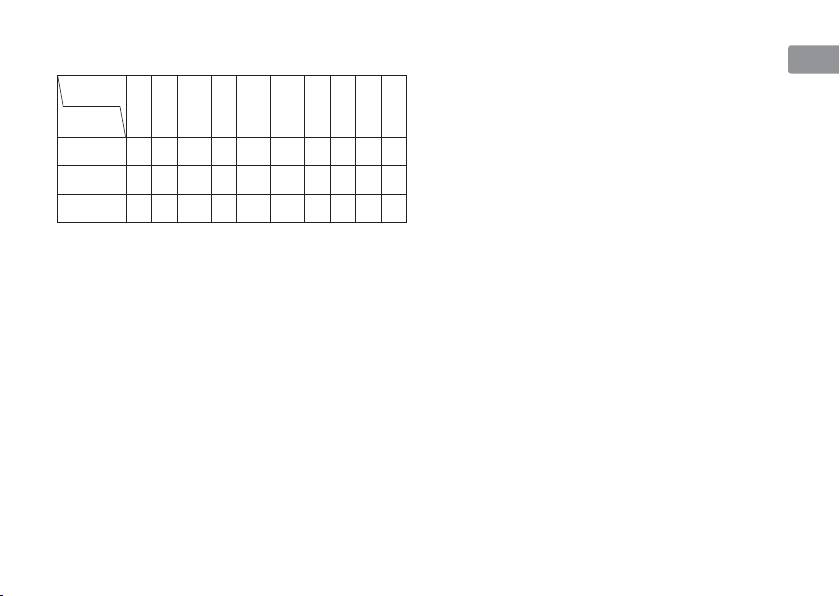
空欄:使用不適当です。ただし、M スクリーンの場合、
■
ファインダースクリーンとの組み合わせ
Jp
撮影倍率 1/1 倍以上の近接撮影に用いるため、
G1
スクリーン
この限りではありません。
EC-B
G2
En
AB C E
JLMU
EC-E
G3
カメラ
ご注意
G4
●
De
F5 カメラの場合、マルチパターン測光は、EC-B、
F6 ◎◎
◎
◎◎
EC-E、B、E、J、A、L スクリーンのみ可能です。
Fr
F5+DP-30
◎◎
○
◎◎ ◎◎
○
F5+DA-30
◎◎
◎◎ ◎◎
Es
(-0.5)
構図の決定やピント合わせの目的には
Se
◎ :好適です。
○ :視野の一部が多少見にくくなりますが、撮影結
Ru
果には全く影響がありません。
Nl
:各カメラに存在しないファインダースクリーン
です。
It
():中央部重点測光時の補正値です。F6 カメラの場
合、測光値の補正は、カメラのカスタムメニュー
Cz
「b6:スクリーン補正」を「BorE 以外」にセッ
トして行います。B 型および E 型以外を使用す
Sk
る場合は、補正量が 0 でも、「BorE 以外」にセッ
Ck
トしてください。F5 カメラの場合は、カスタム
セッティング No.18 の設定で測光値の補正を行
Ch
います。
詳しくはカメラの使用説明書をご覧ください。
Kr
9

●
■
レンズのお手入れと取り扱い上のご注意
レンズを水に濡らすと、部品がサビつくなどして故
Jp
障の原因となりますのでご注意ください。
●
CPU 信号接点は汚さないようにご注意ください。
●
ストーブの前など、高温になるところに置かないでく
En
●
レンズマウントゴムリングが破損した場合は、その
ださい。極端に温度が高くなると、外観の一部に使用
まま使用せず販売店またはニコンサービス機関に修
している強化プラスチックが変形することがあります。
De
理を依頼してください。
●
レンズ面の清掃は、ホコリを拭う程度にしてくださ
■付属アクセサリー
Fr
い。指紋がついたときは、柔らかい清潔な木綿の布
●
77mm スプリング式レンズキャップLC-77
に無水アルコール(エタノール)または市販のレン
●
裏ぶたLF-1
Es
ズクリーナーを少量湿らせ、レンズの中心から外周
●
バヨネットフードHB-23
へ渦巻状に、拭きムラ、拭き残りのないように注意
●
Se
ソフトケースCL-1120
して拭いてください。
●
シンナーやベンジンなどの有機溶剤は絶対に使用し
■別売アクセサリー
Ru
ないでください。
●
77mm ネジ込み式フィルター
●
レンズ表面の汚れや傷を防ぐためには、NC フィルター
Nl
をお使いいただけます。また、レンズのフードも役
立ちます。
It
●
レンズをケースに入れるときは、必ずレンズキャッ
プと裏ぶたを取り付けてください。
Cz
●
フードを持ってカメラを持ち上げたりしないでくだ
さい。
Sk
●
レンズを長期間使用しないときは、カビやサビを防
ぐために、高温多湿のところを避けて風通しのよい
Ck
場所に保管してください。また、直射日光のあたる
ところ、ナフタリンや樟脳のあるところも避けてく
Ch
ださい。
Kr
10

■仕 様
最短撮影距離:
0.29m(焦点距離 16mm 時、35mm 時)、
Jp
0.28m(焦点距離 20 ― 28mm 時)
型式:
ニコン F マウント CPU 内蔵 G タイ
プ、AF-S ズームレンズ
絞り羽根枚数: 9 枚(円形絞り)
En
焦点距離: 16
35mm
絞り方式: 自動絞り
De
最大口径比: 1:4
絞りの範囲: f/4 ― 22
レンズ構成: 12群17枚(EDレンズ2枚、非
測光方式: CPU 連動方式のカメラでは開放測光
Fr
球面レンズ 3 枚、ナノクリスタルコ
アタッチメントサイズ:
77mm(P=0.75mm)
ート)
寸法: 約 82.5mm(最大径)×
Es
画角: 107
63·· 35mm 判 一 眼レフカ
125mm(バヨネットマウント基準
メ ラ、FX フ ォ ー マ ッ
面からレンズ先端まで)
Se
トのデジタル一眼レフ
質量: 約 680g
カメラ
Ru
83
44····DX フォーマットのデ
※仕様、外観の一部を、改善のため予告なく変更する
ジタル一眼レフカメラ
ことがあります。
94
52·····IX240 カメラ
Nl
焦点距離目盛: 16、20、24、28、35mm
It
撮影距離情報: カメラへの撮影距離情報出力可能
ズーミング: ズームリングによる回転式
Cz
ピント合わせ: IF(ニコン内焦)方式、超音波モーター
によるオートフォーカス、マニュア
Sk
ルフォーカス可能
Ck
手ブレ補正: ボイスコイルモーター(VCM)に
よるレンズシフト方式
Ch
撮影距離目盛: ∞〜 0.28m(1ft 併記)
Kr
11
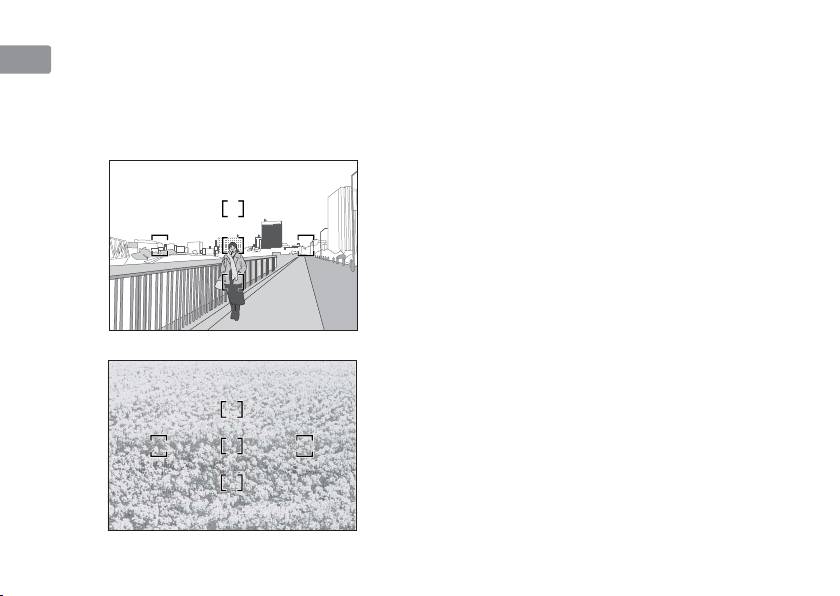
■広角・超広角レンズのオートフォーカス撮影について
Jp
広角・超広角レンズでは、標準クラスのレンズと比べ、下記のような撮影条件になりやすく、オートフォーカス撮
影時には注意が必要です。
En
以下をお読みになって、オートフォーカス撮影にお役立てください。
De
C< 人物 >
1. フォーカスフレームに対して主要な被写体が小さい場合
Fr
図 C のように、フォーカスフレーム内に遠くの建物と近
くの人物が混在するような被写体になると、背景にピン
Es
トが合い、人物のピント精度が低下する場合があります。
2. 絵柄がこまかな場合
Se
図 D のように、被写体が小さいか、明暗差が少ない被写
体になると、オートフォーカスにとっては苦手な被写体
Ru
になります。
このような時には・・・
Nl
1、2 のような被写体条件でオートフォーカスが上手く働か
D< 花畑 >
It
ない場合、主要被写体とほぼ同じ距離にある被写体でフォー
カスロックし、構図を元に戻して撮影する方法が有効です。
Cz
また、マニュアルフォーカスに切り換えて、マニュアルで
ピントを合わせて撮影する方法もあります。
Sk
その他
お使いのカメラの使用説明書で「オートフォーカスが苦手
Ck
な被写体について」の説明も参照してください。
Ch
Kr
12

Jp
En
De
Fr
Es
Se
Ru
Nl
It
Cz
Sk
Ck
Ch
Kr
13
Notes on Safety Operations
Jp
CAUTION
En
Do not disassemble
Do not look at the sun through the lens
Touching the internal parts of the camera or lens could
or viewfinder
De
result in injury. Repairs should be performed only by
Viewing the sun or other strong light sources through the
qualified technicians. Should the camera or lens break
lens or viewfinder could cause permanent visual
Fr
open as the result of a fall or other accident, take the
impairment.
product to a Nikon-authorized service representative for
Es
Keep out of reach of children
inspection after unplugging the product and/or removing
Particular care should be taken to prevent infants from
the battery.
Se
putting the batteries or other small parts into their mouths.
Turn off immediately in the event of
Observe the following precautions when
Ru
malfunction
handling the camera and lens
Should you notice smoke or an unusual smell coming
• Keep the camera and lens unit dry. Failure to do so
Nl
from the camera or lens, remove the battery immediately,
could result in fire or electric shock.
taking care to avoid burns. Continued operation could
• Do not handle or touch the camera or lens unit with
It
result in injury.
wet hands. Failure to do so could result in electric
After removing or disconnecting the power source, take
shock.
Cz
the product to a Nikon-authorized service representative
• When shooting with back-lighting, do not point the
for inspection.
lens at the sun or allow sunlight to pass directly down
Sk
the lens as this may cause the camera to overheat and
Do not use the camera or lens in the
possibly cause a fire.
presence of flammable gas
• When the lens will not be used for an extended period
Ck
Operating electronic equipment in the presence of
of time, attach both front and rear lens caps and store
the lens away from direct sunlight. Failure to do so
flammable gas could result in an explosion or fire.
Ch
could result in a fire, as the lens may focus sunlight
onto a flammable object.
Kr
14
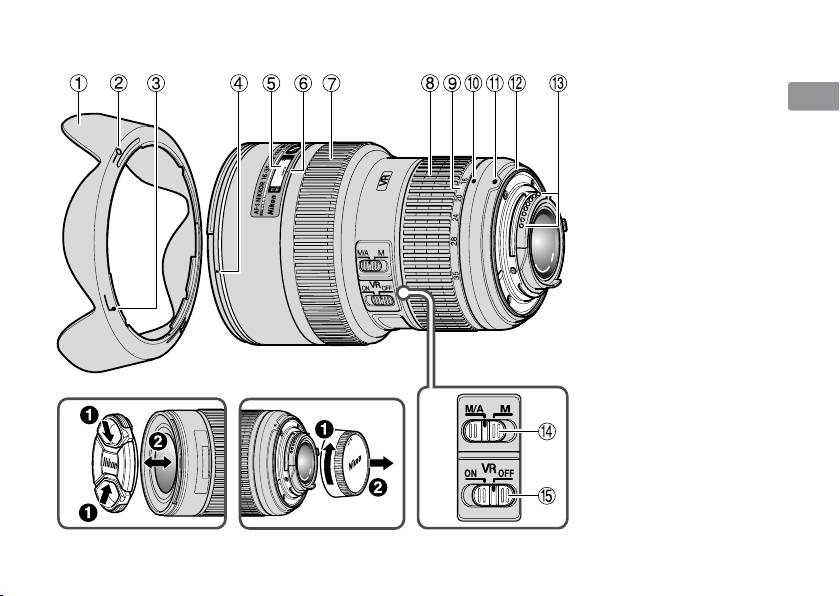
Nomenclature
Jp
1 Lens hood (P. 20)
En
2 Lens hood setting index
(P. 20)
De
3 Lens hood attachment
index (P. 20)
Fr
4 Lens hood mounting index
(P. 20)
Es
5 Distance scale (P. 19)
6 Distance index line
Se
7 Focus ring (P. 17)
8 Zoom ring (P. 19)
Ru
9 Focal length scale
Nl
0 Focal length scale index line
! Mounting index
It
@ Lens mount rubber gasket
(P. 21)
Cz
# CPU contacts (P. 21)
$ Focus mode switch (P. 17)
Sk
A
% Vibration reduction ON/OFF
switch (P. 18)
Ck
( ): reference page
B
Ch
Kr
15
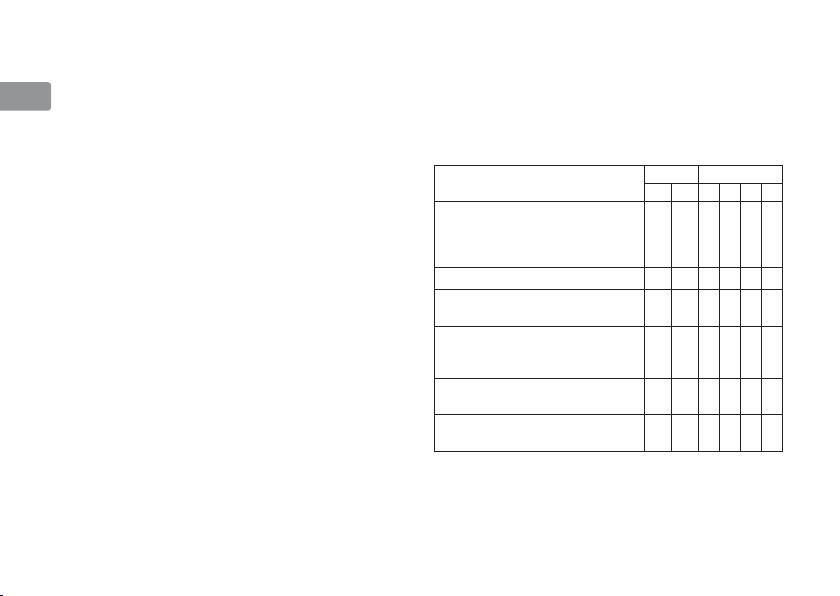
Thank you for purchasing the AF-S NIKKOR 16-35mm f/4G ED VR lens. Before using this lens,
Jp
please read these instructions and refer to your camera's User's Manual.
En
Major features
Usable cameras and available
•
The Nano Crystal Coat deposited on some of the
functions
De
lens elements ensures that fine, clear images can be
There may be some restrictions or limitation for available
reproduced under various shooting conditions, from
functions. Refer to camera’s User’s Manual for details.
Fr
the sunny outdoors to spotlighted interior scenes.
Function
Exposure mode
Cameras
•
By enabling vibration reduction (
VR
Ⅱ
), slower
*1
VR AF
P
6$0
Es
shutter speeds (approximately four stops*) can be
Nikon digital SLR (Nikon FX/DX format)
used, thus increasing the range of usable shutter
cameras, F6, F5, F100, F80-Series/
N80-Series*, F75-Series/N75-Series*,
Se
speeds and zoom positions, particularly when hand-
F65-Series/N65-Series*
holding the camera. (*Based on results achieved
2
under Nikon measurement conditions. The effects of
Pronea 600i/6i*, Pronea S*
—
Ru
vibration reduction may vary according to shooting
F4-Series, F90X/N90s*, F90-Series/N90*,
—
——
conditions and use.)
F70-Series/N70*
Nl
•
Superior optical performance and rendering
F60-Series/N60*, F55-Series/N55-Series*,
characteristics are maximized with the use of three
F50-Series/N50*, F-401x/N5005*,
——
It
aspherical lens elements and two extra-low
F-401s/N4004s*, F-401/N4004*
dispersion (ED) glass elements, which ensure
F-801s/N8008s*, F-801/N8008*,
Cz
correction of chromatic aberration. In addition, the
——
——
F-601
M/N6000*
rounded aperture produces soft and pleasing blur
F3AF, F-601/N6006*, F-501/N2020**,
Sk
characteristics in portions of pictures that are out-of-
— — ————
Nikon MF cameras (except F-601
M/N6000*)
focus.
: Possible
—
: Not possible
Ck
Important
VR: Vibration reduction AF: Autofocus
•
When mounted on Nikon DX format digital SLR
*: Sold exclusively in the USA
Ch
cameras, such as the D300-Series and D90, the lens’
**: Sold exclusively in the USA and Canada
picture angle becomes 83°-44° and its 35mm
*1: P includes AUTO and Vari-Program System.
equivalent focal length is approx. 24-52.5 mm.
*2: Manual (M) is not available.
Kr
16
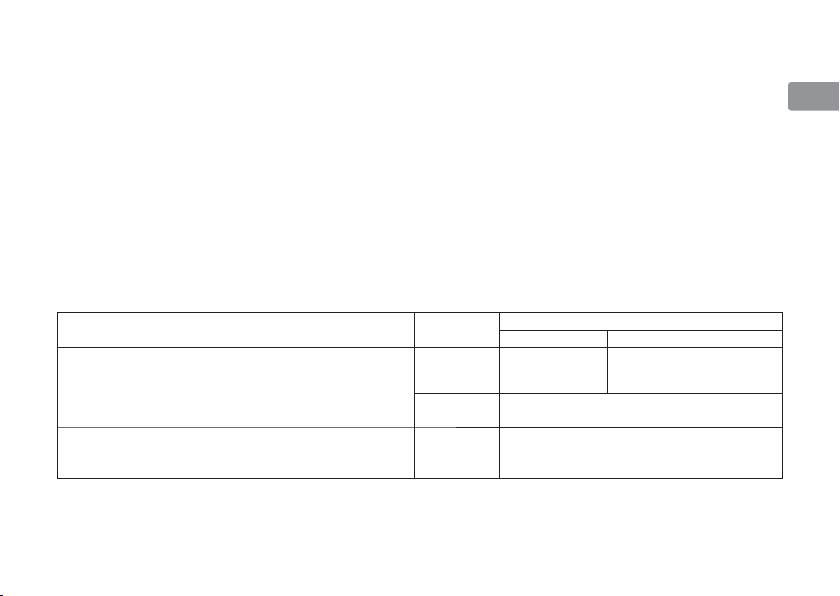
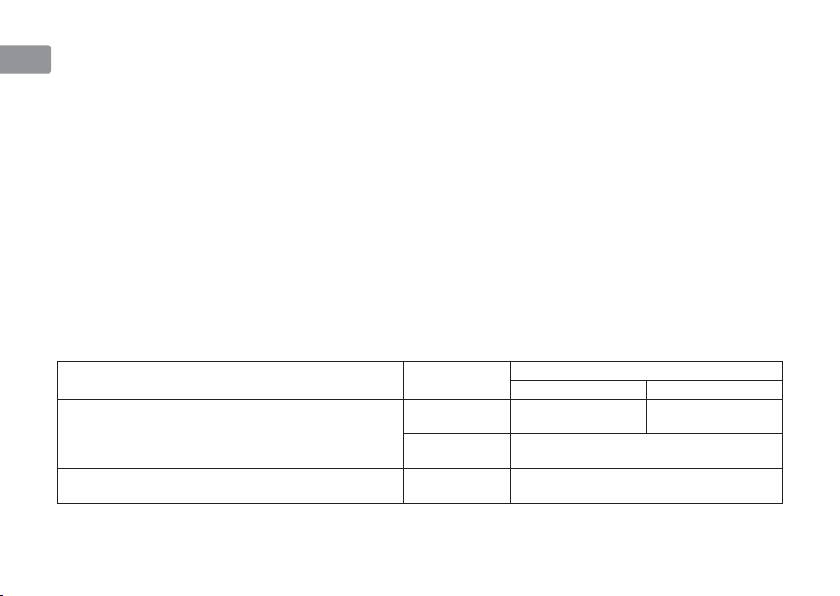
Focusing (Fig. A)
Getting good results with autofocus
Jp
Set your camera’s focus-mode selector according
Refer to “Notes on using wide- or super wide-
to the chart below:
angle AF NIKKOR lenses” (P. 23).
En
Autofocus with manual override (M/A mode)
a
Set the lens focus mode switch to M/A.
De
b
Autofocus is enabled, but autofocus operation
can be overridden by rotating the separate
Fr
focus ring while pressing the shutter-release
button halfway, or by pressing the AF-ON
Es
button on the camera body of cameras so
equipped.
Se
c
Press the shutter-release button halfway or the
AF-ON button once again to cancel manual
Ru
focus and resume autofocus.
Camera
Lens’ focus mode switch
Nl
Cameras
focus mode
M/A M
Manual focus
It
Nikon digital SLR (Nikon FX/DX format) cameras, F6, F5,
Autofocus with
AF (C/S)
(Electronic rangefinder
F4-Series, F100, F90X/N90s*, F90-Series/N90*, F80-Series/
manual override
can be used.)
N80-Series*, F75-Series/N75-Series*, F70-Series/N70*,
Cz
Manual focus
F65-Series/N65-Series*, Pronea 600i/6i*, Pronea S
MF
(Electronic rangefinder can be used.)
Sk
F60-Series/N60*, F55-Series/N55-Series*, F50-Series/N50*,
Manual focus
AF (C/S)
F-801s/N8008s*, F-801/N8008*, F-601
M/N6000*,
(Electronic rangefinder can be used,
MF
F-401x/N5005*, F-401s/N4004s*, F-401/N4004*
except with the F-601
M/N6000*)
Ck
* Sold exclusively in the USA
Ch
Kr
17

Vibration reduction mode (Fig. B)
• Do not turn the camera off or remove the lens
Jp
from the camera while vibration reduction is
Setting the vibration reduction ON/OFF
operating. Failure to observe this note could
En
switch
result in the lens sounding and feeling as if an
ON: The effects of camera shake are reduced
internal component is loose or broken when it is
while the shutter-release button is pressed
De
halfway and also at the instant the shutter is
shaken. This is not a malfunction. Turn the
released. Because vibration is reduced in the
camera on again to correct this.
Fr
viewfinder, auto/manual focusing and exact
• With cameras featuring a built-in flash, vibration
framing of the subject are easier.
reduction does not function while the built-in
Es
OFF: The effects of camera shake are not reduced.
flash is charging.
Notes on using vibration reduction
• With autofocus cameras featuring an AF-ON
Se
• After pressing the shutter-release button halfway,
button, vibration reduction does not function
wait until the image in the viewfinder stabilizes
when the AF-ON button is pressed.
Ru
before pressing the shutter-release button the
• When the camera is mounted on a tripod, set the
rest of the way down.
vibration reduction ON/OFF switch to OFF.
Nl
• Due to the characteristics of the vibration
However, it is recommended that the switch be
reduction mechanism, the image in the
set to ON when using the camera on an
It
viewfinder may be blurred after the shutter is
unsecured tripod head or with monopod.
released. This is not a malfunction.
• If this lens is used with cameras that do not have
Cz
• If the camera is panned in a wide arc,
the vibration reduction function (P.16), set the
compensation for camera shake in the panning
vibration reduction ON/OFF switch to OFF. With
Sk
direction is not performed. For example, only the
the Pronea 600i/6i camera, in particular, battery
effects of vertical camera shake is reduced with
power may become quickly depleted if this switch
Ck
horizontal panning.
is left ON.
Ch
Kr
18
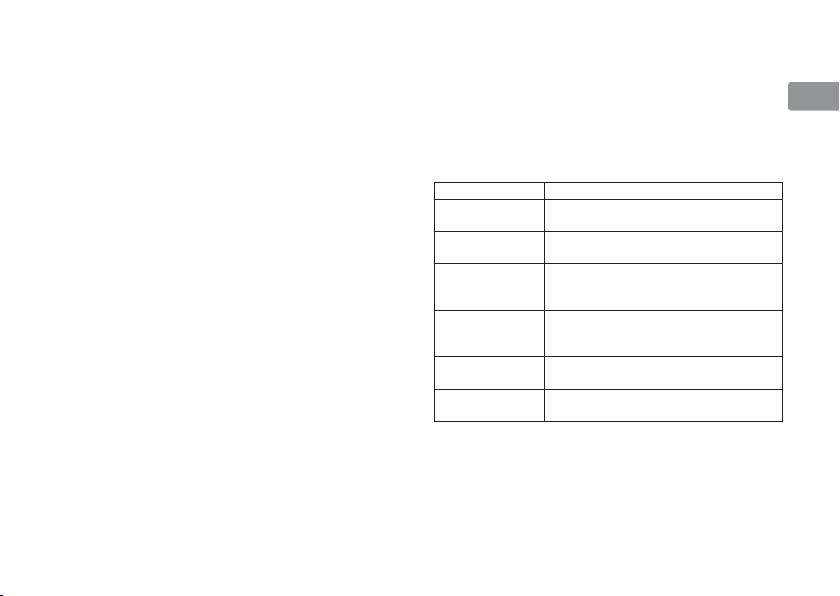
Focusing, zooming, and depth of
The built-in flash and vignetting
Jp
field
• The built-in flash cannot be used over distances
Before focusing, rotate the zoom ring to adjust the
of less than 0.6 m (2.0 ft.).
En
focal length until the desired composition is
•
To prevent vignetting, do not use the lens hood.
framed. If your camera has a depth-of-field
•
Vignetting is the darkening of the corners around
De
preview (stopdown) button or lever, depth of field
the image that occurs when the light emitted by
can be previewed through the camera viewfinder.
the flash is obstructed by the lens barrel.
Fr
• This lens is equipped with the Internal Focusing
Cameras
Supported focal length/Shooting distance
(IF) system. As the shooting distance decreases,
• 28 mm/3 m (9.8 ft.) or greater
Es
the focal length also decreases.
D700 (FX format)
• 35 mm/1 m (3.3 ft.) or greater
• The distance scale does not indicate the precise
• 20 mm/1.5 m (4.9 ft.) or greater
D700 (DX format)
Se
distance between the subject and the camera.
• 24 mm or longer/No restriction
Values are approximate and should be used only
• 24 mm/2 m (6.6 ft.) or greater
D300-Series,
Ru
• 28 mm/1 m (3.3 ft.) or greater
as a general guide. When shooting distant
D200, D100
• 35 mm/No restriction
landscapes, depth of field may influence
D90, D80, D5000,
Nl
operation and the subject may appear in focus
• 28 mm/1.5 m (4.9 ft.) or greater
D3000, D60, D50,
at a position that is closer than infinity.
• 35 mm/1 m (3.3 ft.) or greater
D40-Series
It
• For more information, see p. 146.
• 28 mm/2 m (6.6 ft.) or greater
D70-Series
• 35 mm/1 m (3.3 ft.) or greater
Setting the aperture
Cz
Vignetting occurs at any shooting
Other cameras
Use the camera to adjust the aperture setting.
distance.
Sk
Ck
Ch
Kr
19
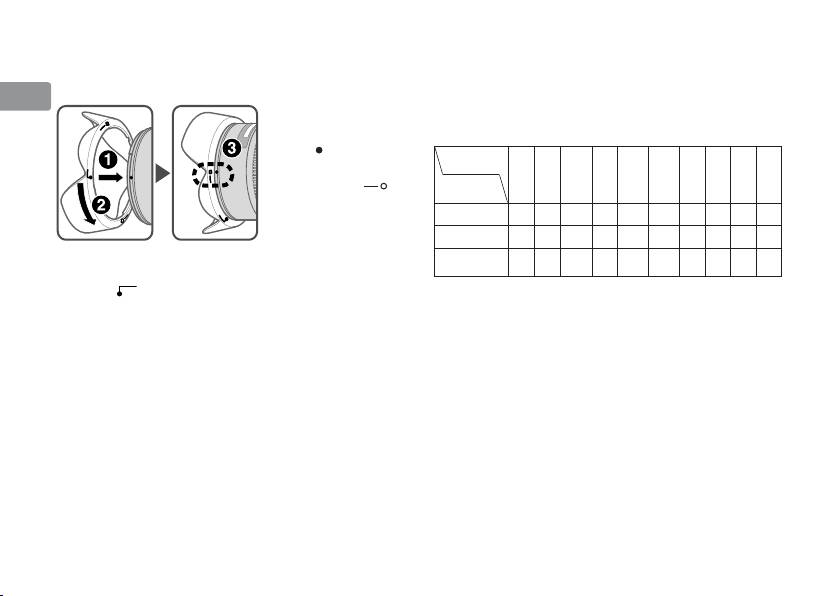
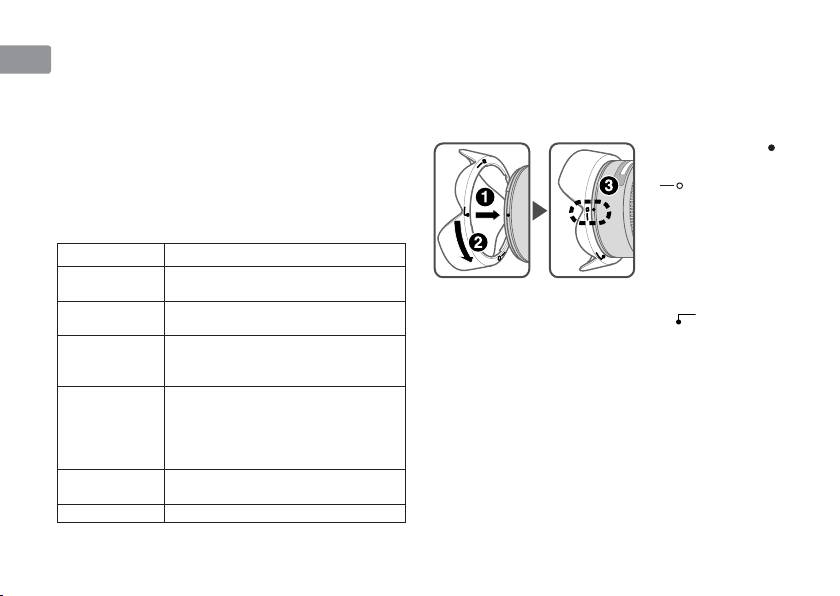
Using the lens hood
Recommended focusing screens
Jp
Lens hoods minimize stray light and protect the lens.
Various interchangeable focusing screens are
Attaching the hood
available for certain Nikon SLR cameras to suit any
En
• Be sure that the lens
picture-taking situation. The ones recommended
hood mounting
for use with this lens are:
De
index ( ) is aligned
G1
Screen
EC-B
with the lens hood
G2
Fr
AB C E
JLMU
G3
setting index ( )
EC-E
Camera
G4
(3).
Es
F6
◎◎ ◎ ◎◎
F5+DP-30
◎◎ ○ ◎ ◎ ◎◎
Se
• To facilitate attachment or removal of the hood,
○
F5+DA-30
◎◎
◎◎ ◎◎
(-0.5)
hold it by the base (near the lens hood attachment
Ru
index (
))
rather than its outer edge.
: Excellent focusing
Ⴟ
• If the lens hood is not correctly attached, vignetting
: Acceptable focusing
Nl
Ⴜ
may occur.
Slight vignetting or moiré patterns appear in
• To store the lens hood, attach it in the reverse
the viewfinder, but not on the film.
It
position.
—
: Not available
( ) : Indicates degree of exposure compensation
Cz
needed (center-weighted metering only). For
F6 cameras, compensate by selecting “Other
Sk
screen“ in Custom Setting “b6: Screen comp.“
and setting the EV level to -2.0 to +2.0 in 0.5
Ck
EV steps. When using screens other than type
B or E, “Other screen“ must be selected even
Ch
when the required compensation value is “0“
(no compensation required). For F5 cameras,
Kr
20


