Brother PocketJet3Plus w BT (PJ-563): Chapter 7 - Technical Information
Chapter 7 - Technical Information: Brother PocketJet3Plus w BT (PJ-563)
Chapter 7 - Technical Information
Product Specications
(PJ-522 / PJ-523)
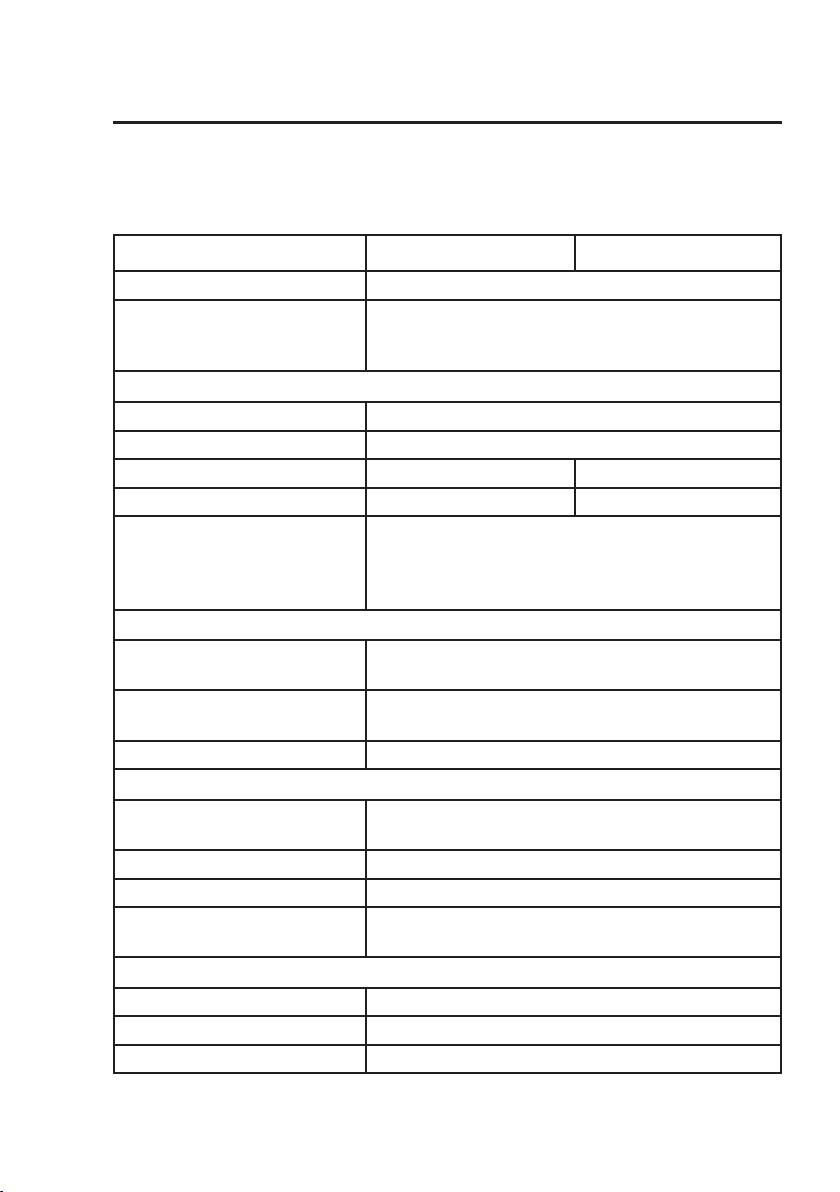
Printer specications
Model Name
PJ-522 PJ-523
Dimensions 10.04 x 2.17 x 1.18 in. /255 (W) x 55 (D) x 30 (H) mm
Weight Approximately 0.80 lb. (excluding Battery, paper)
390g
(w/Bluetooth, 0.86 lb. (excluding Battery, paper) 395g)
Printing
Method Direct thermal printing
Print Speed Up to three 8.5” x 11” per minute
Resolution 203 x 200 dpi 300 x 300 dpi
Print Width 8.04” 8.21”
Paper Size Letter (216 x 279mm / 8.5’’ x 11’’),
Legal (216 x 356 mm / 8.5’’ x 14’’),
A4 (210 x 297 mm / 8.27’’ x 11.69’’)
Minimum of 2”, maximum of paper roll length
Power Options
Battery Rechargeable 14.4V NiMH Battery
AC Adapter AC adapter (110-240VAC to 15 VDC)
DC Car adapter 2 types (Cigarette Plug or Wired type)
Interface
USB USB Ver.2.0 (Full Speed)
(A - mini-B=Printer, Peripheral)
IrDA Ver.1.0 (IrCOMM and IrOBEX)
Bluetooth (Optional) V. 2.0 Class 2, Serial Port Prole Supported
Software
Printer font size 10 cpi, 12 cpi, 15 cpi and Proportional sizes.
Printer font face Serif and Sans Serif
Barcode generation No
Page 60
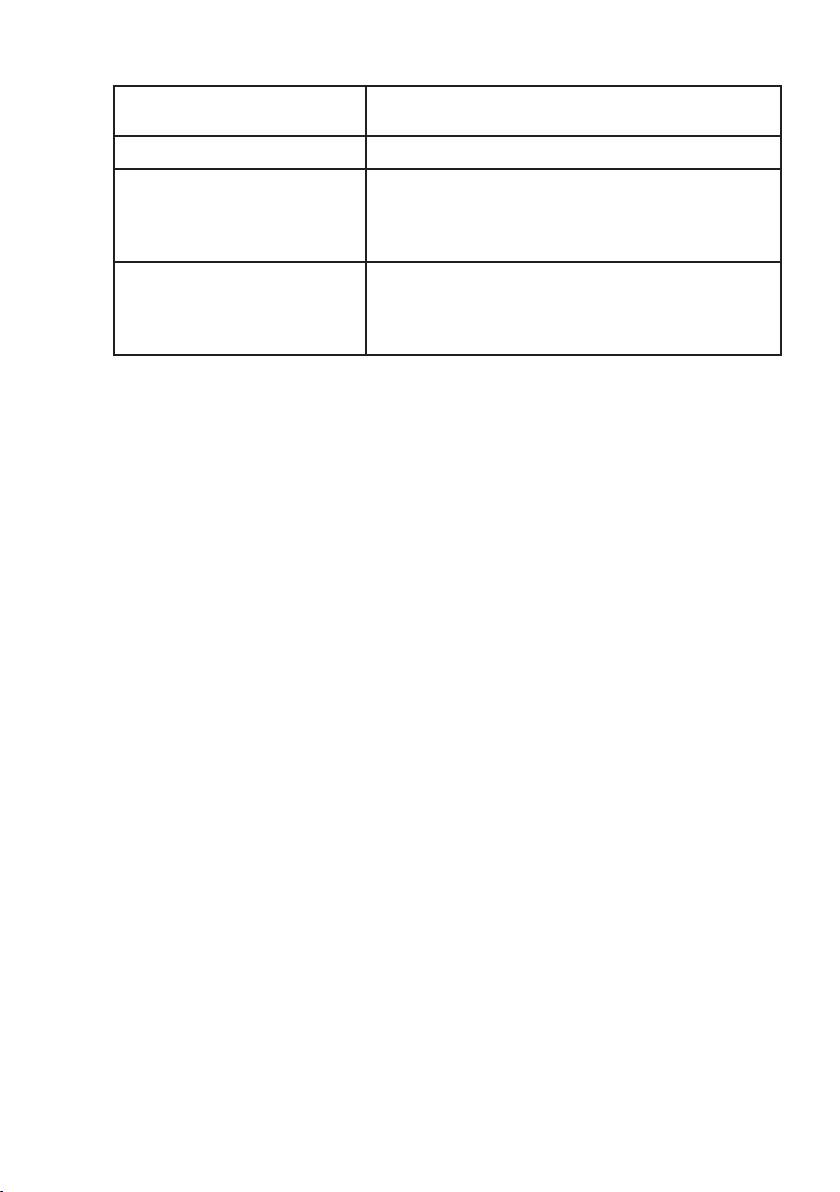
Operating System environment Windows 2000 Professional / XP / Windows Vista
(USB, Bluetooth, IrDA), others
REGULATORY
EMI FCC Class B
EN50024:1998
EN61000-3-2
EN61000-3-3
Safety (Power Supply) CE EN60950
ERL (European UL Testing) to UL1950
See Declarations of Conformity for additional details.
Page 61

For PocketJet 3 units sold in the U.S.A., the following decliaration of conformity applies:
Page 62

For PocketJet 3 Plus units sold in the U.S.S., the following declaration of conformity ap-
plies:
Page 63

For PocketJet 3 Bluetooth units sold in the U.S.A., the following declaration of conformity
applies:
Page 64
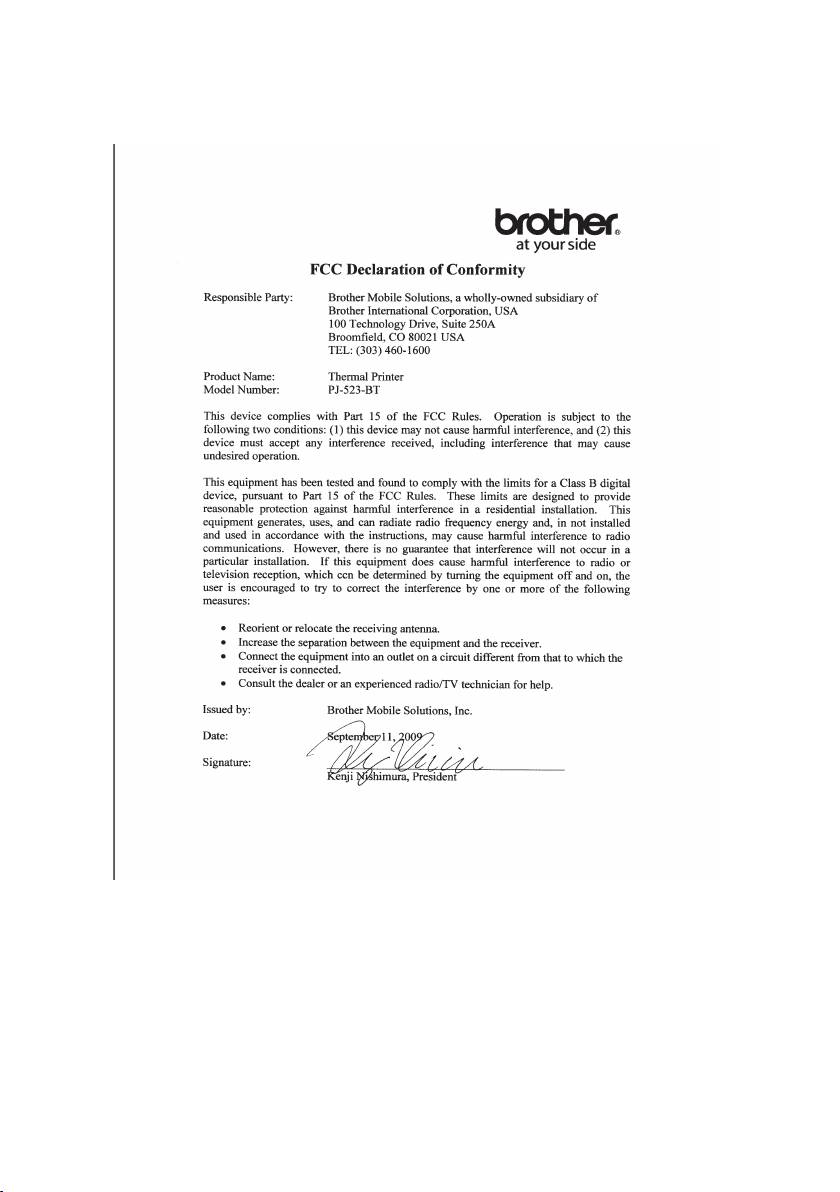
For PocvketJet 3 Plus Bluetooth units sold in the U.S.A., the following declaration of con-
formity applies:
Page 65

Radio & Television Interference
United States FCC Regulations
This equipment has been tested and found to comply with the limits
for a Class B digital device, pursuant to Part 15 of the FCC rules.
These limits are designed to provide reasonable protection against
harmful interference in a residential installation. This equipment
generates, uses, and can radiate radio frequency energy and, if not
installed and used in accordance with the instructions, may cause
harmful interference to radio communications. However, there is no
guarantee that interference will not occur in a particular installation.
If this equipment does cause harmful interference to radio or televi-
sion reception, which can be determined by turning the equipment
off and on, the user is encouraged to try to correct the interference by
one or more of the following measures:
• Reorient or relocate the receiving antenna.
• Increase the separation between the equipment and the receiver.
• Connect the equipment to an outlet on a circuit different from that
to which the receiver is connected.
• Consult the dealer or an experienced radio/TV technician for help.
The use of a shielded cable is required to comply with Class B limits
of FCC rules.
Any changes or modications not expressly approved by Brother
could void the user’s authority to operate this equipment.
You may purchase a booklet prepared by the FCC entitled “Inter-
ference Handbook,” stock number ISBN 0-16-041736-8, from the
Superintendent of Documents, U.S. Government Printing Ofce,
Washington, D.C. 20402.
Page 66

Canadian Regulations
This digital device does not exceed the Class B limits for radio noise
emissions from digital apparatus set out in the Radio Interference
Regulations of the Canadian Department of Communications.
Cet appariel numérique respecte les limites de bruit radioélectrique
applicables aux appariels numériques de Classe B préscrites dans le
Règlement sur le brouillage radioélectrique du Ministère des Com-
munications.
This device complies with RSS-210 of Industry Canada.
Operation is subject to the following two conditions:
(1) This device may not cause interference, and
(2) This device must accept any interference, including interfer-
ence that may cause undesired operation of this device.
Ce dispositif est conforme aux normes CNR-210 d’Industrie Canada.
L’utilisation de ce dispositif est autorisée seulement aux conditions
suivantes :
(1) il ne doit pas produire de brouillage et
(2) l’utilisateur du dispositif doit être prêt à accepter tout brouillage
radioélectrique reçu, même si ce brouillage est susceptible de com-
promettre le fonctionnement du dispositif.
Caution: Exposure to Radio Frequency Radiation
The installer of this equipment must ensure that the antenna is lo-
cated or pointed such that it does not emit an RF eld in excess of
Health Canada limits for the general population; consult Safety Code
6, obtainable from Health Canada’s website at www.hc-sc.gc.ca/rpb.
Page 67